
Hydraulic Diaphragm Pump Relief Valve Keeps Lifting: Causes
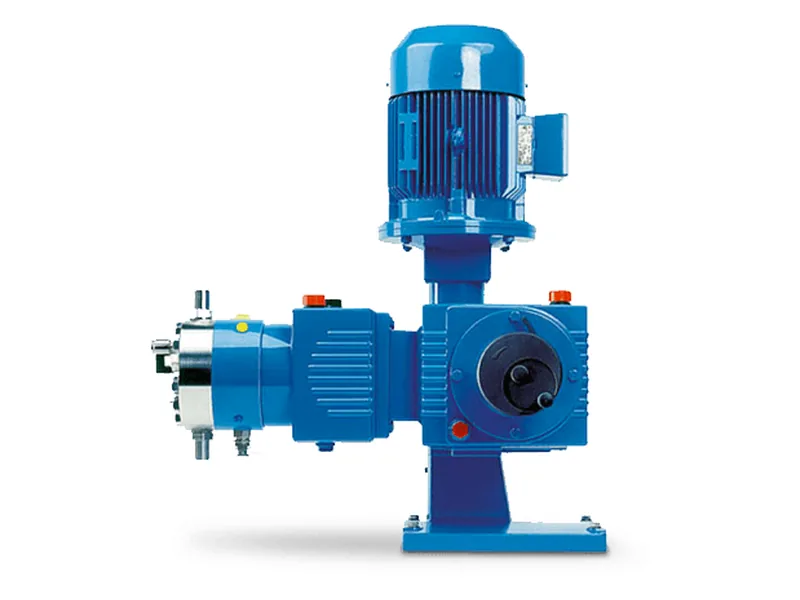
When a hydraulic diaphragm pump relief valve keeps lifting, the first job is to decide whether discharge pressure really is too high or whether the valve itself is at fault. In the first case a closed valve, a blocked line or an over-set back pressure valve is pushing pressure up, and the hydraulic diaphragm pump relief valve is doing its job. In the second case the set point has drifted low, the seat is worn or the spring is tired, so the valve opens before pressure reaches its limit. Check from the outside in: discharge line and pressure first, the valve itself last.
This article covers the internal relief valve on the hydraulic chamber, not a separate relief valve fitted in the discharge pipework. Refill valve problems are covered in a separate article.
Where the Internal Relief Valve Sits and What It Does
In a hydraulic diaphragm pump the plunger does not push the chemical directly. It pushes hydraulic oil, and the oil moves the diaphragm. The hydraulic diaphragm pump relief valve sits on that oil chamber. When oil pressure passes the set point, it opens and returns oil to the reservoir. The plunger stroke is then partly wasted, the diaphragm stops advancing, and discharge pressure cannot keep climbing.
That protects the diaphragm, the liquid end and the drive. When it lifts, the motor keeps running but delivered flow drops sharply or stops. You can often hear a hiss from the pump body, and on some pumps the oil level in the reservoir visibly churns.
Common Causes of Hydraulic Diaphragm Pump Relief Valve Lifting
Blocked or closed discharge line
This is the most common cause. A discharge valve left closed or half open, a blocked strainer, a scaled check valve or a crystallised injection point will all make the hydraulic diaphragm pump relief valve lift. Fit a pressure gauge at the pump outlet and see whether pressure is near rated pressure when the valve opens.
Set point too low
Someone adjusted the valve during service, or a replacement valve was fitted without being set to the nameplate value. If the set point sits below working pressure, the pump dumps oil every time pressure rises. The correct setting is normally a margin above maximum working pressure; follow the manual.
Worn seat or debris
Dirty oil can leave particles between the poppet and the seat, so the valve never closes fully. The symptom is a constant small leak: flow is low but pressure is not high. A scored seat or a fatigued spring gives the same picture.
Hydraulic oil problems
Overfilled reservoirs, water in the oil, emulsified oil or the wrong grade all upset the hydraulic chamber and make the relief valve unstable. See which oil a hydraulic diaphragm pump needs.
Step-by-Step Checks
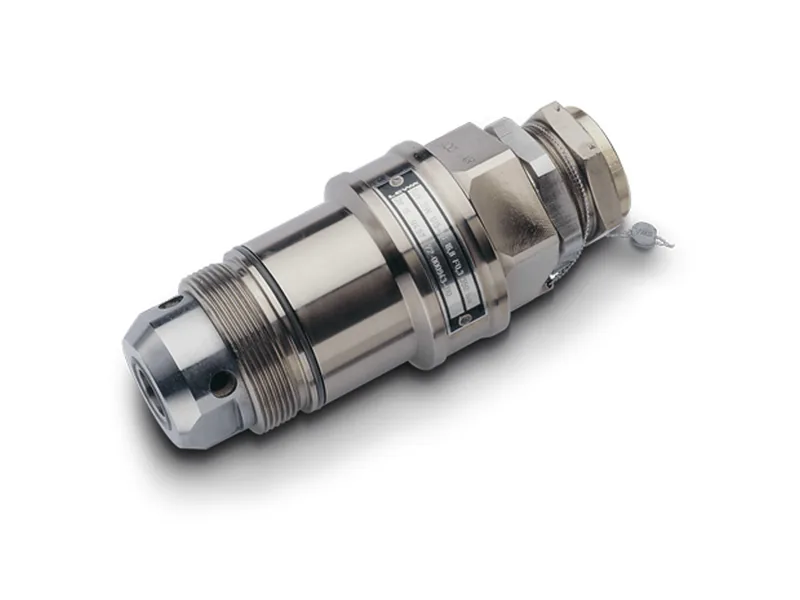
Figure 1: LEWA 力华 ecoflow integrated pressure relief valve. Image source: LEWA 力华 official website
- Read the outlet gauge and note actual discharge pressure when the valve lifts.
- Walk the discharge line: valves, strainers, check valves and the injection point. Confirm check valve direction.
- Check the back pressure valve and any external relief valve settings. The difference is explained in relief valve vs back pressure valve.
- If the line is clear and pressure is low but the hydraulic diaphragm pump relief valve still leaks, check its set point, poppet and seat.
- Finally, check oil level, colour and grade, and change the oil if needed.
Adjusting the Hydraulic Diaphragm Pump Relief Valve Safely
Only adjust the hydraulic diaphragm pump relief valve once the discharge line is confirmed clear. Raising the setting to hide a blockage just moves the overpressure onto the diaphragm and pipework. With a gauge fitted, slowly throttle the discharge valve, note where the relief valve starts to open, then trim it to the specified value. Lock the nut and record the setting.
Never screw the relief valve down solid to stop it lifting, and never set it by feel without a gauge. It is the last line of protection. If it is locked shut and the line blocks, the diaphragm or gearbox pays the price.
Getting Back to Normal Flow
After a lift, oil that left the chamber is normally replaced by the refill valve on the suction stroke. Once the cause is cleared, the pump usually recovers output on its own. If flow does not come back, watch the reservoir level for a few minutes, check for air in the hydraulic chamber and bleed it per the manual.
Then verify flow with a calibration column and compare it to earlier records. If output is lower than before, the hydraulic diaphragm pump relief valve may not be seating fully and is still bypassing a little oil. Pull it and inspect the poppet and seat. Pumps that lifted often for weeks tend to run hot oil that darkens quickly, so bring the next oil change forward and check the shaft seals for heat damage.
Conclusion
A hydraulic diaphragm pump relief valve that keeps lifting is usually reacting to a real overpressure, most often a blocked discharge or an over-set back pressure valve. Less often the set point is low, the seat is worn or the oil is wrong. Check from the outside in, clear the line before touching the valve, and always reset it against a gauge. For models and parts, see our hydraulic diaphragm metering pumps and the LEWA range, or contact our engineers.
FAQ
Does hydraulic diaphragm pump relief valve lifting damage the pump?
An occasional lift is normal protection. Frequent lifting heats and degrades the oil and points to a system problem.
Should I fit an external relief valve as well?
Usually yes. The hydraulic diaphragm pump relief valve protects the pump; an external valve protects the pipework and is set slightly lower.
How do I tell relief valve leakage from a ruptured diaphragm?
Relief leakage happens near the set point. A rupture shows chemical in the oil or oil in the chemical; see diaphragm rupture signs.
Can I clean the relief valve myself?
Yes. Mark the original setting first and re-test against a gauge afterwards.
A new relief valve still lifts. What next?
Go back to the discharge line. Scaled injection points and back pressure valves are the usual culprits.