
High Pressure Metering Pump Selection: Ratings, Types and Relief
Choosing a high pressure metering pump starts with getting the maximum system pressure right, and only then moving on to pump type, relief valve and fittings. Many projects take the injection point pressure and use it as the pump rating. The pump then trips on overpressure at start-up, or the pump survives while a fitting or dampener fails first. A high pressure metering pump shows up in boiler feedwater, oilfield chemical injection, the high pressure side of reverse osmosis and chemical reactors, and pressure levels across these applications vary widely. This guide follows one order: calculate pressure, pick the pump type, set the relief valve, then check the fittings.
How to Calculate Pressure for a High Pressure Metering Pump
The pump discharge has to overcome more than the injection point pressure. Typically you add up:
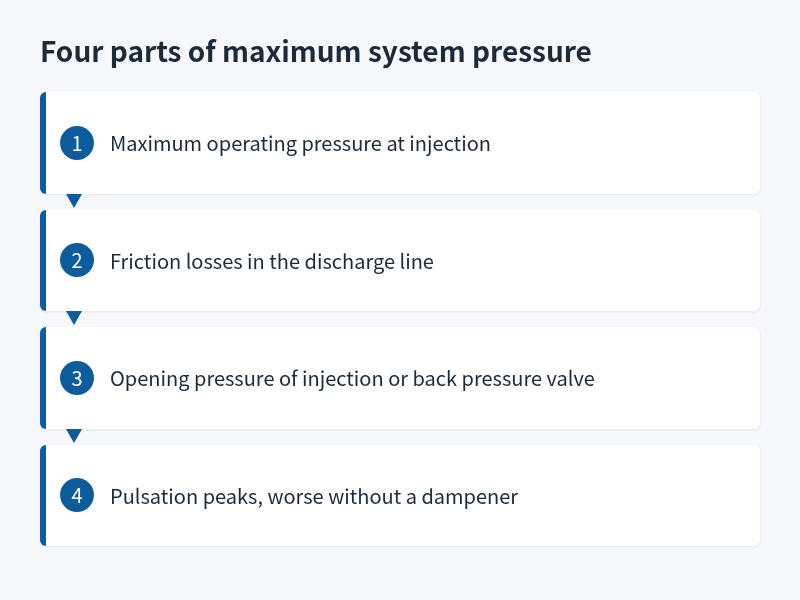
Figure 1: Use the maximum operating pressure at the injection point, not the average.
- The maximum operating pressure at the injection point, not the average.
- Friction losses in the discharge line, which grow quickly with small bore, long runs or viscous chemicals.
- The opening pressure of the injection valve or back pressure valve.
- Pulsation peaks, which are larger when no dampener is fitted.
Add a margin on top. The rated pressure of the high pressure metering pump should sit above that total. How much margin depends on how much the process pressure swings.
Matching High Pressure Metering Pump Type to Pressure Range
Each high pressure metering pump type reaches a very different pressure. The figures below come from published brand catalogs:
- Solenoid diaphragm pumps suit low to medium pressure. SEKO TEKNA reaches 20 bar, and some LMI C series models reach about 20.7 bar. Beyond that they are the wrong tool.
- Mechanical diaphragm pumps: NEWDOSE NDWS models are commonly in the 16 bar class, the NEWDOSE HND high pressure series reaches about 3 MPa, and the Milton Roy G series tops out at 12 bar.
- Hydraulic diaphragm pumps: Milton Roy Milroyal B reaches 250 bar and SEKO NEXA reaches 200 bar. They are the usual first choice when you need high pressure and a sealed, leak-free pump head.
- Plunger and metal diaphragm pumps: Milton Roy Milroyal D reaches 500 bar, and Primeroyal X reaches 1380 bar for offshore chemical injection.
As pressure rises, you usually move to a different series rather than a bigger model in the same one. For the structural differences, see our hydraulic diaphragm metering pump selection guide.
Pressure and Flow Have to Be Read Together
One point often missed when sizing a high pressure metering pump: within a series, the higher the pressure rating, the lower the available flow tends to be. The maximum flow and the maximum pressure in a catalog are rarely on the same model. Look in the model table for the size that meets both your pressure and your flow at once.
The fluid matters too for any high pressure metering pump. At high pressure, temperature, viscosity and solids all affect valve seals and diaphragm life. Put these values on the data sheet and let the manufacturer confirm them.
Setting the High Pressure Metering Pump Relief Valve
Every high pressure metering pump needs a relief valve on the discharge. This is not optional. A metering pump is a positive displacement pump, so if the outlet is blocked, pressure keeps rising until something breaks.
The relief setting is generally above the maximum working pressure and below the rating of the weakest component in the pump and piping. Route the relief outlet back to the tank or the pump suction, with no valve in the return line. Some hydraulic diaphragm pumps have a built-in hydraulic relief valve, but an external relief valve on the discharge line is still needed. They protect different things. Our article on relief valve vs back pressure valve explains how the two divide the work.
Pressure Ratings for Fittings, Dampeners and Gauges
Pick the right high pressure metering pump and a mismatched discharge line can still let you down. High pressure sections usually use stainless tubing with compression or welded fittings. PVC and PP fittings have limited pressure ratings and should not go straight onto a high pressure discharge.
Check the rating of each of these:
- Discharge tubing and fittings.
- The pulsation dampener, with its precharge set to suit the working pressure.
- Pressure gauges, with a range usually about 1.5 to 2 times the working pressure.
- Check valves and the injection valve.
The weakest item sets the pressure the whole system can take. Listing every rating on the selection sheet is far easier than tracing a failure later.
Too Little Differential Pressure Is Also a Problem
The opposite case causes trouble as well. If discharge pressure is close to or below suction pressure, flow becomes inaccurate and siphoning can occur. The NEWDOSE mechanical pump manual says to add a back pressure valve when the pressure difference is below 1 bar. During commissioning, high pressure systems are often run at low pressure first to purge air, so keep this in mind then too.
What to Send When You Ask for a Quote
When sizing a high pressure metering pump, manufacturers usually ask for the same data: maximum injection pressure and its range, maximum and minimum flow, chemical name and concentration, temperature and viscosity, solids content, power supply and hazardous area rating, and control method such as manual or 4-20mA. The more complete the data, the better the recommendation, and the fewer rounds of redesign.
The most common trap is a vague pressure figure. State it in bar or MPa and make clear it is gauge pressure.
Conclusion
High pressure metering pump selection comes down to four steps. Calculate maximum system pressure and add a margin. Choose solenoid, mechanical diaphragm, hydraulic diaphragm or plunger based on the pressure range. Fit and set a discharge relief valve. Then check the rating of every fitting, dampener and gauge. For more on pressure limits, read our diaphragm metering pump maximum pressure guide, and browse hydraulic diaphragm pumps and plunger metering pumps. Send us your injection pressure, flow and chemical, and contact our team for a sizing check.
FAQ
How much pressure margin should a high pressure metering pump have?
It depends on how much the process pressure fluctuates. Confirm the margin with the manufacturer for your conditions.
Can a solenoid metering pump handle high pressure?
Generally not. Most solenoid pumps stay within about 20 bar, so higher pressures call for mechanical or hydraulic diaphragm pumps.
My hydraulic diaphragm pump has an internal relief valve. Do I still need an external one?
Yes. The internal valve protects the pump, while the external valve protects the discharge line and instruments.
Can I use PVC tubing on a high pressure dosing pump discharge?
Usually not. Plastic fittings have limited ratings, so stainless tubing and matching fittings are the safer choice.
Why does the pump keep tripping on overpressure when its rating is high enough?
Typically the discharge line is too small, the injection valve is fouled, or there is no dampener, so pressure peaks exceed the relief setting.