
Metering Pump Stroke Setting at First Startup: Where to Start
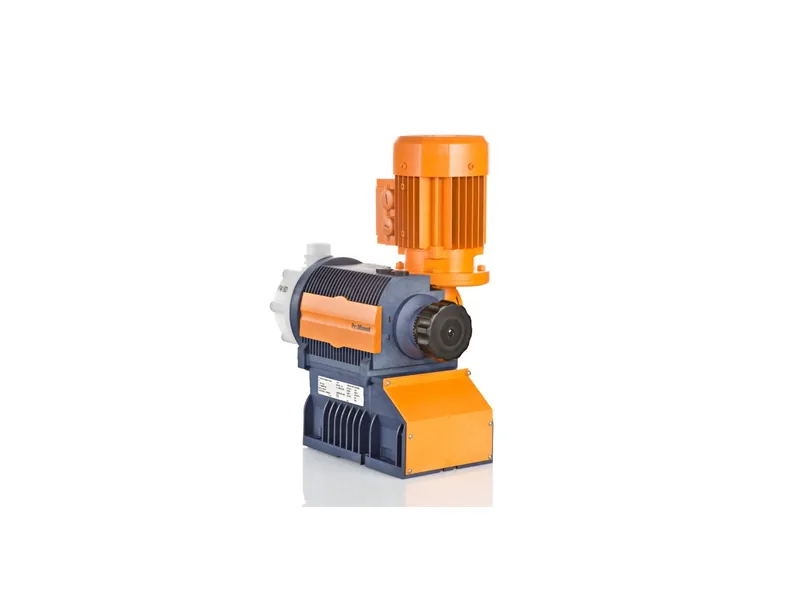
The metering pump stroke setting at first startup is usually done in two steps. Prime at or near 100% stroke so air leaves the suction line quickly, then, once flow is steady, set a starting value from target flow divided by rated flow and trim it against a calibration column. Starting directly at a small calculated stroke makes priming slow, and the pump looks as if it is not delivering.
Safety checks before any metering pump stroke setting
Stroke comes second. ProMinent states for its Sigma range that every mechanically actuated diaphragm metering pump needs suitable overflow protection during installation. Sigma pumps include an integrated relief and bleed valve, but that is no reason to leave line valves to chance.
Run through these before pressing start:
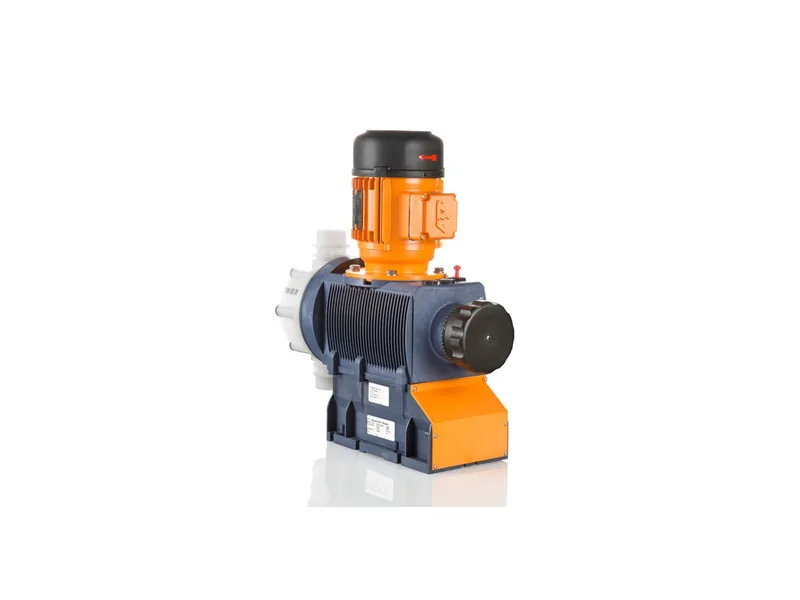
Figure 1: ProMinent Sigma/3 basic motor-driven diaphragm unit. Image source: ProMinent official website
- Every valve on the discharge line is open, including the isolation valve at the injection point.
- The tank has enough chemical, the suction valve is open and the strainer is clean.
- Motor rotation is correct; bump the motor and check the fan.
- The line has been pressure tested and joints are dry.
- No test water is left in the head or pipe, or you have confirmed it will not react with the chemical.
Starting against a closed discharge valve is the most common first-start accident. A positive displacement pump keeps raising pressure until something gives, and no metering pump stroke setting will protect a head that is pumping against a shut valve.
Why priming uses full stroke
On the first run the suction line and head are mostly full of air. A longer stroke means a bigger volume change per stroke, which pushes air out and pulls liquid up faster. So during priming the metering pump stroke setting is normally 100%, with the bleed valve or discharge vent open until liquid comes out without bubbles. Then close the vent.
How long this takes depends on suction length and lift. A flooded suction often primes within a minute or two, while a suction lift takes longer. The full priming procedure is in metering pump priming at first start.
Calculating the starting metering pump stroke setting
After priming, move the dial to a calculated value:
Starting stroke ≈ target flow ÷ rated flow at actual back pressure × 100%
Take the ProMinent Sigma/1 basic type 12035 SST. ProMinent lists 35 l/h at a maximum back pressure of 12 bar. If you need 20 l/h, the result is about 57%, so a first metering pump stroke setting of around 60% is sensible.
Two points are easy to miss:
- Rated flow is quoted at maximum back pressure. At lower pressure the pump delivers a little more, so the calculation is only a starting point.
- Stroke rate changes with supply frequency. The 12035 runs at 143 strokes per minute on 50 Hz and 172 on 60 Hz, so check the nameplate on imported units.
Write the calculation on the commissioning sheet next to the dial value. When someone later asks why the metering pump stroke setting is 60% and not 55%, the answer is there, together with the back pressure and the chemical strength used at the time. It also makes the next calibration faster, because you start from a known point instead of guessing.
If the calculated value comes out below about 30%, the pump is oversized. Repeatability falls at very short strokes, so a smaller pump or a lower stroke rate is the better fix; see why stroke should stay above 30 percent.
Calibrate the metering pump stroke setting, then trim
The calculation gets you into range; calibration tells you the truth. The Sigma basic type has a self-locking dial from 0 to 100% in 1% steps. ProMinent states that with constant conditions, correct installation and calibration, precision is better than ±1% of maximum stroke volume. Without calibration, that figure means very little.
A simple routine:
- Fit a calibration column on the suction side, close the tank outlet and let the pump draw from the column.
- Time one minute, or a set number of strokes, read the drop and convert to l/h.
- Adjust the stroke in proportion to the error, then measure again.
Two or three rounds usually land close to target. Method details are in metering pump calibration method, and dial reading is explained in metering pump scale reading.
Good habits for the first metering pump stroke setting
- Many manufacturers ask for stroke length to be changed only while the pump runs; forcing the dial at rest can damage the mechanism. Check your manual.
- Wait a few minutes after each change so line pressure settles before measuring.
- Record the final metering pump stroke setting, stroke rate and measured flow in the log. After a diaphragm change you can restore it directly.
- Recalibrate when chemical strength or back pressure changes rather than reusing old numbers.
The Sigma range has Sigma/1, Sigma/2 and Sigma/3 sizes with stroke lengths of 4, 5 and 6 mm. Compare them on our mechanical diaphragm pump page or the ProMinent Sigma/1 page.
Conclusion
There is no single correct number for the metering pump stroke setting at first startup. Prime at full stroke, calculate a starting value from target and rated flow once delivery is steady, then calibrate and trim. A result under 30% means the selection needs a second look. Open discharge valves and working overflow protection matter more than the stroke itself. For help checking a setting or sizing a pump, use our contact page.
FAQ
Can I start the pump at 50% stroke?
You can, as a compromise. Priming will be slower, so on a suction lift start at 100% and reduce once liquid arrives.
Why is measured flow higher than calculated?
Usually because back pressure is lower than rated. Rated flow is quoted at maximum pressure, so each stroke delivers slightly more.
Does a pump at 0% stroke still dose?
Practically nothing, but the motor still runs. Stop the pump when no dosing is needed instead of relying on zero stroke.
When should I recalibrate after first startup?
Generally after one or two days, once the line and chemical have settled, and then at intervals set by the duty.
Should I set stroke length or stroke rate first?
On fixed-speed pumps you only set stroke length. On VFD pumps, typically fix stroke between 60% and 100%, then use speed for daily adjustment.