
Hydraulic Diaphragm Pump Operation: Oil Filling to Commissioning
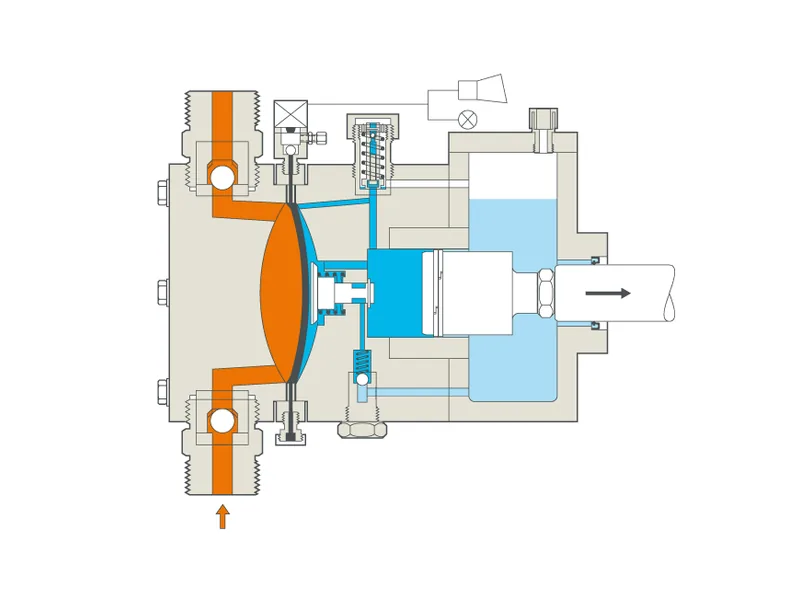
Good hydraulic diaphragm pump operation starts before the motor turns. In this design the plunger does not push the diaphragm directly. It pushes a column of hydraulic oil, and the oil moves the diaphragm. That means commissioning has one extra job compared with a mechanical diaphragm pump: the hydraulic chamber has to be filled and free of air, or the pump will not meter accurately. This guide walks through the sequence we use on site, from oil filling to handing the pump over to production.
Know the Parts That Matter for Hydraulic Diaphragm Pump Operation
We will use the LEWA ecoflow series as the example. It is a hydraulically actuated diaphragm metering pump built to API 675, and several of its features affect how you commission it:
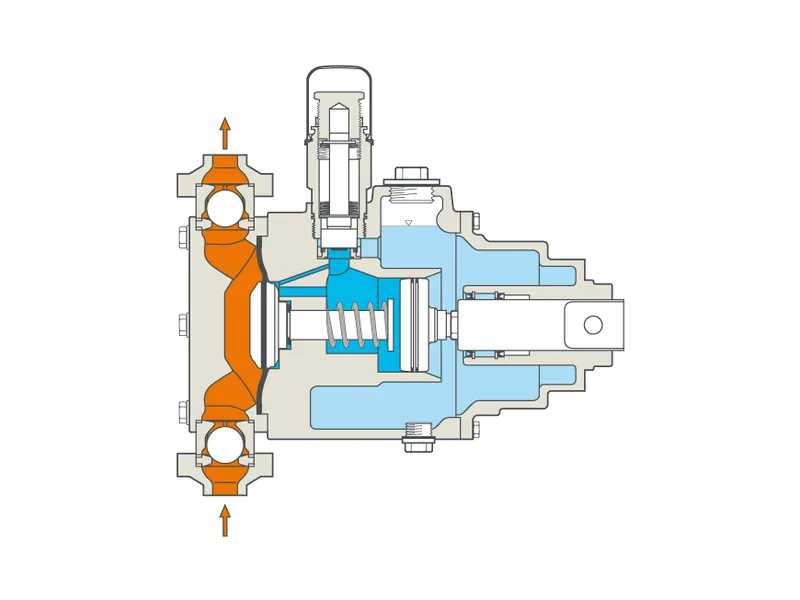
Figure 1: LEWA ecoflow M900 pump head. Image source: LEWA official website
- An integrated pressure relief valve in the hydraulic section protects the pump against overload. LEWA states it can be set individually.
- A refill (snifting) valve tops up the hydraulic chamber when oil is lost. See our note on the hydraulic diaphragm pump refill valve.
- The DPS diaphragm protection system and the sandwich diaphragm with diaphragm monitoring flag a failed layer before process fluid reaches the oil side.
One detail helps a lot at first start. When the pump is idle, a spring pulls the diaphragm into a safe position, which LEWA calls safe startup. The diaphragm is not forced against the wrong side of the chamber when you switch on. If you want the theory behind it, read the hydraulic diaphragm pump working principle.
The pump head also shapes hydraulic diaphragm pump operation. The ecoflow M500 head is rated up to 350 bar and 19 m³/h with a PTFE sandwich diaphragm and diaphragm position control. The M900 head goes up to 500 bar at 6 m³/h, and its DPS gives it suction lift capability. Check which head is on your nameplate before you start.
Step 1: Inspection and Installation Check
Confirm the nameplate data first: head type, flow, pressure and diaphragm material. Then check the installation. The baseplate should be level, piping should not load the pump head, and the suction line should be as short as practical. Our hydraulic diaphragm pump installation guide covers this in detail.
Many pumps ship without oil. The shipping note is usually on a tag near the filler or in the manual, so read it before anything else.
Step 2: Oil Filling Before Hydraulic Diaphragm Pump Operation
Many hydraulic diaphragm pumps have two oil systems: gear oil for the drive and hydraulic oil for the diaphragm chamber. The grades are often different, so follow the manual. Using the wrong oil is one of the most common commissioning errors in hydraulic diaphragm pump operation. Our article on which oil a hydraulic diaphragm pump uses explains the choices.
Oil filling tips:
- Use a clean container and a strainer. The hydraulic chamber does not tolerate dirt.
- Fill to the sight-glass mark, not above it.
- Let the oil rest for a few minutes so bubbles can rise, then check the level again.
Step 3: Vent the Hydraulic Chamber
In hydraulic diaphragm pump operation, air left in the hydraulic chamber shows up as lost strokes, low flow and pressure swings. A typical approach is to set a short stroke, open the discharge valve and let the pump run at low load for a while. Air leaves through the venting and refill path, and the oil level drops. Top it up as it falls.
Venting methods vary by design. Some pumps have a dedicated vent screw, others rely on the refill valve to do it automatically. Follow the manufacturer's procedure and do not open plugs you cannot identify. Careful venting is the single step that most affects hydraulic diaphragm pump operation accuracy later.
Step 4: Prime the Process Side Before Hydraulic Diaphragm Pump Operation
Open the suction valve and let the process liquid fill the suction line and pump head. The ecoflow handles suction pressure down to about 0.1 bar absolute, but for the first start we still recommend priming to cut dry running time.
The discharge valve must be fully open. The hydraulic relief valve protects the pump. It is not a reason to start against a closed valve.
Step 5: Zero-Stroke Start and Ramp-Up
Set the stroke to zero or minimum. Bump the motor to confirm rotation, then start it. Listen and watch for vibration. If everything is quiet, raise the stroke in steps, for example 25%, 50%, 75% and 100%, running a few minutes at each step while you check:
- Discharge pressure is steady.
- Hydraulic oil level has stopped falling.
- Motor current and pump body temperature look normal.
The ecoflow can adjust flow with an electric or pneumatic stroke actuator, or with a VFD. During commissioning, we usually run through the stroke range by hand first, then hand control over to the DCS once the mechanics are proven. This keeps hydraulic diaphragm pump operation predictable when automation takes over.
Step 6: Calibrate and Hand Over
Use a calibration column or a weighing method to measure flow at the normal stroke setting. Compare with the nameplate and sizing data. If the result is well off, check for air still in the hydraulic chamber, a starved suction and leaking check valves, in that order.
For future hydraulic diaphragm pump operation, record stroke, discharge pressure, oil level and motor current in the commissioning sheet. That set of numbers becomes your baseline when something changes later.
Daily Checks for Long-Term Hydraulic Diaphragm Pump Operation
Commissioning is only the start. Reliable hydraulic diaphragm pump operation depends on a few quick daily checks: oil level, oil color, discharge pressure and the diaphragm monitoring signal. Milky oil usually means water ingress. Dark oil or particles mean an oil change is due. If the diaphragm monitor alarms, stop the pump and find the cause instead of just resetting it. Leave the relief valve setting alone; raising it removes the overload protection.
Conclusion
The logic of hydraulic diaphragm pump operation is simple: oil before process fluid, venting before load, zero stroke before full stroke. Fill with the right oil, vent the chamber, start with the discharge open and ramp the stroke in steps, and most commissioning problems never appear. If you are unsure which oil or venting method fits your pump, contact us with a nameplate photo, or browse our hydraulic diaphragm metering pumps.
FAQ
Why start hydraulic diaphragm pump operation at zero stroke?
At zero stroke the pump delivers almost nothing, so you can check rotation, noise and vibration safely. Problems show up before they can damage piping.
What are the signs of air left in the hydraulic chamber?
Low flow, unsteady discharge pressure and a knocking sound. The oil level usually drops after venting, so top it up.
How often should hydraulic oil be changed?
Typically at the running-hour interval in the manual. Change it earlier if it turns milky, dark or shows particles, and vent again afterwards.
Can I adjust the hydraulic relief valve myself?
We do not recommend it. The setting is matched to the pump's rated pressure, and raising it removes overload protection.
What should I check after a long shutdown?
Check the oil level and color, then look for crystallized product in the suction line. After a long stop, repeat the commissioning steps from zero stroke.