
metering-pump-priming-first-start
title: How to Prime a Metering Pump on First Start-Up (Step by Step) description: How to prime a metering pump on first start-up: why trapped air stops a diaphragm pump, pre-start checks, bleed valve and no-bleed methods, and calibration. date: 2026-10-29 category: FAQ keywords: [how to prime a metering pump, metering pump not priming, dosing pump air lock, prime dosing pump]
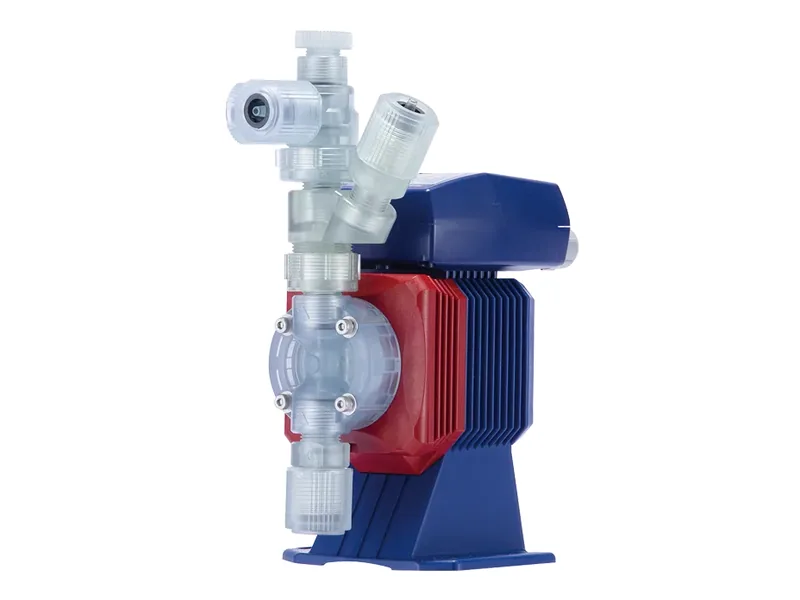
If you are wondering how to prime a metering pump, the short answer is this: get the air out of the pump head and suction line so the check valves sit in liquid, then start pumping. When a new pump clicks and flashes but delivers nothing, it has usually not primed rather than failed.
This guide is for electricians and water treatment operators commissioning a dosing pump for the first time. We get this call often: the LED blinks, the pump ticks, no chemical comes out. On site the head is dry and half the suction tube is air.
Why air stops a diaphragm pump
Understanding the cause makes the steps on how to prime a metering pump easier to follow. A metering pump moves a small volume per stroke. With air in the head, the diaphragm compresses the air on the forward stroke, but pressure never rises high enough to open the discharge valve against the back pressure valve. On the return stroke the air simply expands again, so the suction valve does not open either.
The stroke volume is used up compressing and expanding air. Higher back pressure and higher suction lift make this worse. That is the real reason behind any question about how to prime a metering pump: you are fighting compressible gas.
Five checks before you start
Before you work out how to prime a metering pump on site, run through these and you will avoid half the trouble:
- Is there enough chemical in the tank, and is the foot valve or strainer below the surface?
- Are suction fittings tight, and is the tubing free of kinks or crushing?
- Are suction and discharge connected the right way? Typically the arrow points up toward discharge.
- Are discharge valves open, and is the back pressure valve set too high?
- Is the suction line short? Flooded suction, with the tank level above the pump head, is the easiest setup.
Point 5 gets ignored. With the tank above the pump, gravity fills the head and priming is almost automatic. With the pump mounted above the tank and a long lift, it is much harder.
How to prime a metering pump with a bleed valve
Most solenoid pumps now have a bleed valve on the head. NEWDOSE's solenoid pump manual, for example, says to open the bleed valve half a turn, start the pump, and close the valve once liquid comes out.
In practice, set stroke length and frequency to maximum while bleeding so air clears faster. Run a return tube from the bleed port back to the tank so chemical does not drip on the floor. When the return tube shows solid liquid with no bubbles, close the valve and reset stroke and frequency to normal.
How to prime a metering pump without a bleed valve
Without a bleed valve, the same NEWDOSE manual says to disconnect the discharge tube at the injection valve, run the pump until chemical enters the tube, then reconnect it. Removing back pressure lets air escape easily.
If the head is completely dry, you can remove the suction tube and pour a little water or chemical into the suction port to wet the valve balls. Make sure that liquid is compatible with the chemical; do not mix hypochlorite with acids.
LMI pumps use their own fast-prime design, which works differently; see LMI FastPrime priming.
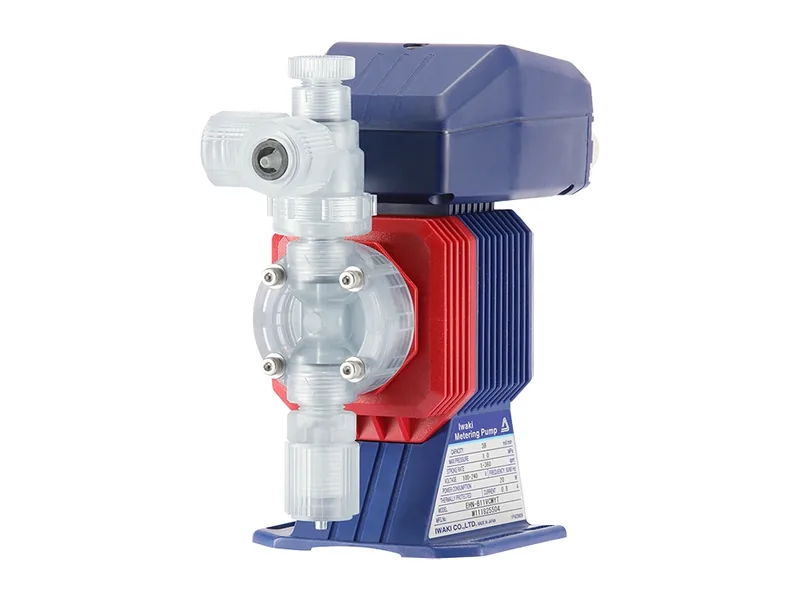
Figure 1: IWAKI EHN-YN series electromagnetic metering pump. Image source: IWAKI official website
When a degassing head saves time
For some chemicals, knowing how to prime a metering pump once is not the whole story. Chemicals like sodium hypochlorite and hydrogen peroxide keep releasing gas after priming, so one-time bleeding is not enough. A degassing head is the better choice.
According to IWAKI's official site, the EHN-NAE is an automatic air vent type that separates gas from liquid and discharges it automatically. It also has a manual air vent as standard and supports air venting during restart, with a capacity range of 30 to 110 mL/min, maximum discharge pressure of 1.0 MPa, and a stroke rate of 1 to 360 spm. On the standard EHN-YN series, IWAKI says you simply turn the air vent knob to release air from the pump head (not included on some types). Compare options on our IWAKI brand page and in EHN not dosing with auto degassing.
After the pump primes
Learning how to prime a metering pump is only half of commissioning. Priming does not prove the flow is right. Connect a calibration column or graduated container and run at the set stroke and frequency; the NEWDOSE manual recommends calibrating for at least 5 minutes, then calculating flow from the actual volume.
After calibration, check the discharge line for leaks and return the back pressure valve to its design setting. If the pump still will not deliver, look at stuck valve balls or a damaged diaphragm, using our NEWDOSE not dosing troubleshooting checklist.
Conclusion
Here is how to prime a metering pump in three steps. Check tank level, tubing and flow direction before start-up. Open the bleed valve, or disconnect the discharge line to remove back pressure if there is no bleed valve. Once liquid flows, confirm the rate with a calibration column. Air blocks a diaphragm pump because it compresses, absorbing the stroke. For gassing chemicals, choose a degassing head from the start. If the problem persists, contact us.
FAQ
How long does it take to prime a metering pump?
With flooded suction it usually primes within moments; with suction lift it can take a few minutes. If nothing comes out, stop and check for air leaks.
Can I loosen the back pressure valve while I prime it?
Yes. A common trick in how to prime a metering pump is to remove back pressure temporarily, by opening the bleed valve or disconnecting the discharge line. Restore the back pressure valve setting afterwards.
Does a long suction line make it harder to prime?
Yes. Longer lines and higher lift hold more air. Shorten the suction line where you can, and use flooded suction if possible.
Why set maximum stroke when learning how to prime a metering pump?
A longer stroke compresses the trapped air more, which helps push it past the check valves. Reset the stroke once primed.
Why does the pump lose prime again after start-up?
Typically gassing chemical, a suction air leak or an empty tank. Use a degassing head for gassing chemicals and retighten leaking fittings.