
Shotcrete Accelerator Dosing Pump: Can a Diaphragm Pump Handle It?
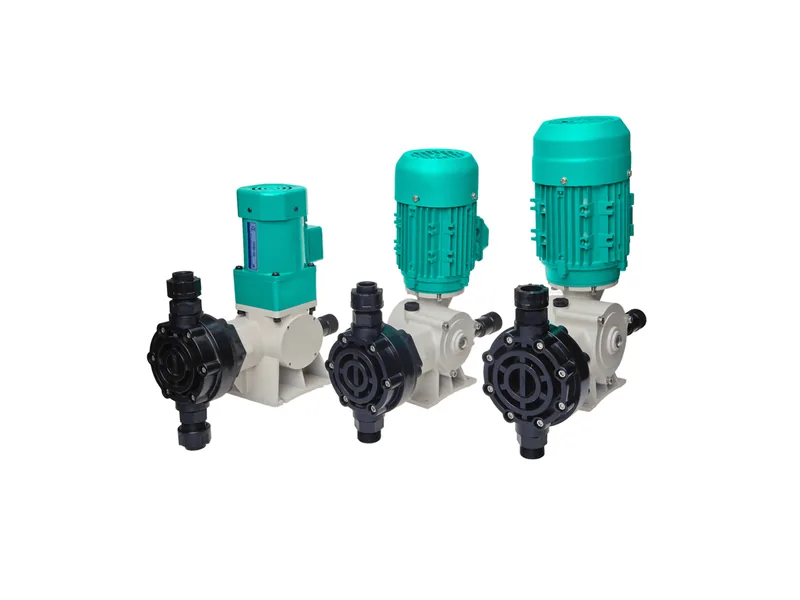
A mechanical diaphragm pump can serve as a shotcrete accelerator dosing pump when the accelerator is a clean, low-viscosity liquid, but it struggles with high-solids suspensions that settle or crystallize. The deciding factor is the chemical, not the pump brand. This guide is for tunnel contractors, batching plant maintenance staff and admixture suppliers who need to choose a shotcrete accelerator dosing pump and keep it running.
Know the accelerator before choosing a shotcrete accelerator dosing pump
Liquid accelerators come in two broad families. Alkali-free accelerators are mostly aluminium sulfate based and acidic. Some are clear solutions; others are suspensions that look like thin slurry and separate if left standing. Alkaline accelerators are based on sodium aluminate or sodium silicate. They are strongly caustic, hard on skin and eyes, and far less common in modern tunnelling, though some older specifications still call for them.
Before you size anything, ask the admixture supplier for three things: composition and pH, viscosity at a stated temperature, and solids content or settling behaviour. A common mistake is asking "can this pump handle accelerator?" and getting a shotcrete accelerator dosing pump quote sized for water. The pump arrives, the product turns out to be a suspension, and the check valves stop sealing within days.
How a mechanical diaphragm pump behaves on accelerator
A mechanical diaphragm metering pump uses an eccentric drive to push a diaphragm back and forth. Suction and discharge check valves open and close in turn, so liquid leaves the head in pulses. The weak point for any shotcrete accelerator dosing pump of this type is the valve set. One grain of solids or a thin crust of crystals between ball and seat is enough to stop the valve closing, and output drops at once.
Clear liquid accelerator: usually fine
If the product is uniform, does not separate and is only slightly thicker than water, a standard mechanical diaphragm pump is a sensible shotcrete accelerator dosing pump. Match the head to the pH. Acidic alkali-free products are commonly handled with PVC, PP or PVDF heads, while caustic products need materials and seals confirmed for high pH. The NEWDOSE NDJ series of mechanical diaphragm metering pumps fits this kind of steady, low-flow duty.
Suspension with some settling: workable with changes
This is where most problems start. Keep the suction inlet off the bottom of the tank and keep the tank stirred. Choose double-ball valves or larger valve bores if the range offers them. Keep the suction line short and generous in diameter, and skip fine strainers, because a blocked strainer starves the pump. Running long strokes at a lower stroke rate tends to clog valves less than short, fast strokes.
High-solids slurry that crusts overnight: change pump type
If the product sets hard after an overnight stop, you will be stripping valves every shift no matter how the diaphragm pump is configured. A different pump type is the cheaper answer here.
Why valves clog and crystals form
When technicians open a clogged head on a shotcrete accelerator dosing pump, they usually find one of these:
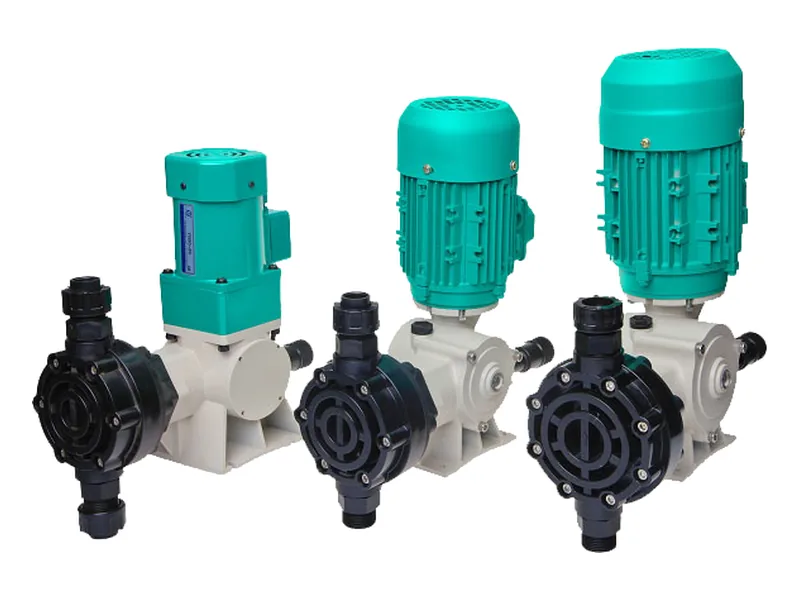
Figure 1: NEWDOSE ND-type mechanical diaphragm metering pump. Image source: NEWDOSE official website
- suspended solids from the product itself, settled on the valve seats;
- dried residue where water evaporated from liquid left in the line;
- thickened product in cold weather, with some components dropping out;
- product left in the head during a stop, gluing the balls to the seats.
The last two are operating habits and can be fixed. The same thinking applies to other crystallizing liquids; our article on calcium chloride metering pump crystal control covers valve handling in more detail.
Specifying a diaphragm-type shotcrete accelerator dosing pump
If the chemical passes the check above, write these into the shotcrete accelerator dosing pump specification:
- Size flow with margin so the pump is not living at maximum stroke.
- Confirm head and valve materials against the product pH, with wear-resistant balls.
- Fit a back pressure valve and a relief valve; short discharge lines with low pressure invite siphoning.
- Provide flushing connections on both suction and discharge, tied to a clean water supply.
- Use a stirred tank and keep the suction point above the tank floor.
Plan the flush connections at design stage. Retrofitting them later usually means a shutdown. If the pump runs but nothing comes out, work through our mechanical diaphragm pump not dosing checklist.
Flushing and draining at shutdown
Most failures on a shotcrete accelerator dosing pump trace back to skipping the flush. A practical routine looks like this:
- Close the tank outlet valve and switch suction to clean water.
- Run the pump on water for a few minutes to push product out of the head, valves and discharge line.
- For long stops or winter shutdown, drain the water from the head as well to avoid freeze damage.
- Before restart, open the valve set; soak and clean any crust before reassembly.
Wear goggles and gloves. Alkaline accelerator in the eye is a serious injury. Isolate power and release discharge pressure before opening the head.
Why shotcrete rigs often use progressive cavity or peristaltic pumps
On wet-spray machines, many equipment makers fit a progressive cavity pump or a peristaltic hose pump for concrete accelerator metering rather than a diaphragm unit. Neither has check valves, so solids and thick product cannot jam a valve, and output follows speed, which makes it easy to trim with a VFD against concrete throughput. The trade-off is that accuracy is generally lower than a diaphragm metering pump, and the stator or hose is a wear part.
So the rule of thumb for a shotcrete accelerator dosing pump is simple. Clean product, fixed installation and tight accuracy point to a mechanical diaphragm pump. Sticky, high-solids product on a mobile rig points to a progressive cavity or hose pump. For more on solids, see diaphragm metering pumps for slurry and particles.
Conclusion
Can a mechanical diaphragm pump be your shotcrete accelerator dosing pump? Yes for clear liquids, yes with changes for mild suspensions, and no for high-solids products that crust. Get composition, viscosity and solids data first, then pick the pump type, valve design and flushing method. For fixed dosing points, browse our mechanical diaphragm metering pumps and the NEWDOSE range. Send us the product data sheet, flow and discharge pressure and contact our engineers for a pump check.
FAQ
Can one pump handle both alkali-free and alkaline accelerator?
It is not recommended. One is acidic and one is caustic, and mixing them in the head can form deposits, so flush thoroughly before any changeover.
How often should the valves on a shotcrete accelerator dosing pump be inspected?
There is no fixed interval; it depends on the product and on flushing discipline. Inspect often in the first weeks, then set a schedule from what you find.
The pump will not prime in winter. Is it broken?
Usually not. Cold product gets thicker and suction resistance rises, so check tank temperature and whether the suction line is too long or too narrow.
Will a solenoid pump work as a shotcrete accelerator dosing pump?
For small flows of clear product it can, but solenoid pumps have less stroke force and lose prime on thicker liquids sooner than motor-driven diaphragm pumps.
Can a shotcrete accelerator dosing pump follow concrete output automatically?
Yes. The pump can take a 4–20 mA or pulse signal and dose in proportion to throughput, with the ratio set from the mix design and product data sheet.