
Free Chlorine vs Total Chlorine: How to Choose the Analyzer
Free chlorine vs total chlorine is the first decision on a residual analyzer. Free chlorine is mostly hypochlorous acid (HOCl) and hypochlorite ion (OCl⁻), the chlorine that has not yet combined with ammonia or organics. Total chlorine is free chlorine plus combined chlorine such as chloramines. Pick the parameter before you pick the probe, or a potable-water, reuse or ammonia-bearing wastewater plant will end up with the wrong sensor. This article is for instrument selection and for operators. ORP versus residual chlorine is covered in ORP vs chlorine, and a broader monitoring overview in residual chlorine monitoring.
Free chlorine vs total chlorine, and where chloramine fits
When you add sodium hypochlorite or chlorine, it first appears as free chlorine. If ammonia is present, free chlorine reacts to form monochloramine and other combined species. Total chlorine equals free chlorine plus combined chlorine. Potable-water plants usually want free chlorine for a strong disinfectant residual. Some systems keep chloramine on purpose for a longer-lasting residual in the network. On wastewater with ammonia, a free-chlorine probe can read near zero while combined chlorine is still there.
So free chlorine vs total chlorine is not just a pair of names. It is two process goals. The wrong parameter leads to the wrong dose and to lab results that never match the analyzer. Breakpoint chlorination, where free chlorine reappears after ammonia is oxidized, is discussed in breakpoint chlorination for ammonia.
Methods, and how to choose the analyzer
Field practice usually uses one of these:
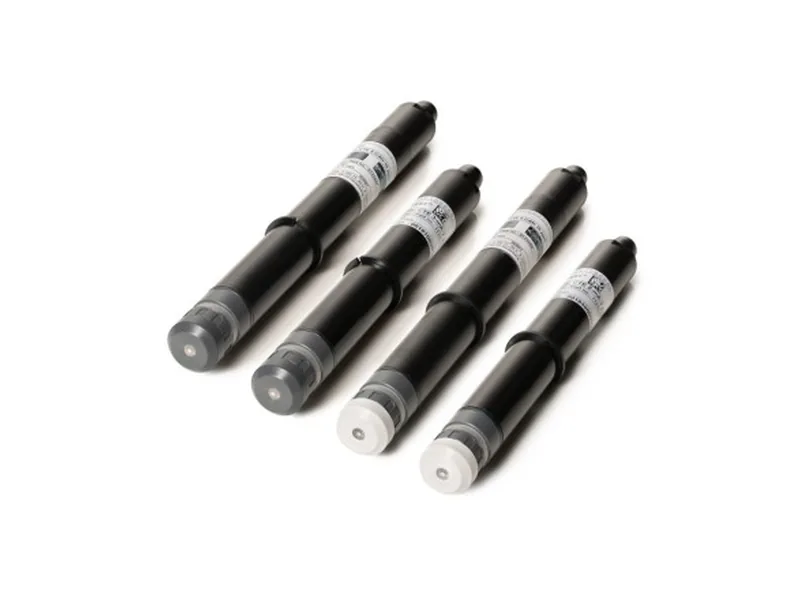
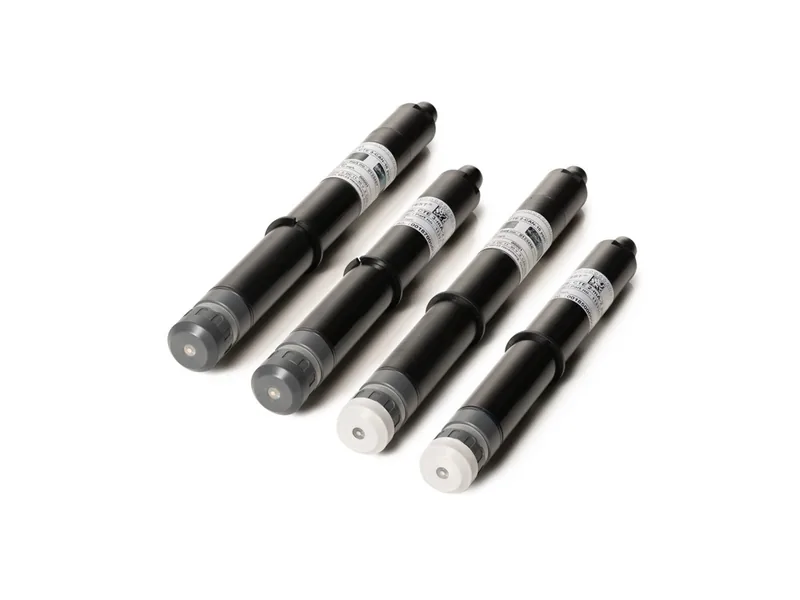
Figure 1: ProMinent total chlorine sensor close-up. Image source: ProMinent official website
- DPD colorimetry, with a photometer, able to report free or total chlorine and often used to check an online analyzer.
- Constant-voltage or amperometric electrodes, fast, commonly used for continuous free chlorine.
- Membrane electrodes, more selective, with membrane and electrolyte changes, better on relatively clean water.
Ask three questions before you buy: do you need free chlorine, total chlorine, or both; is ammonia present, and will chloramine form; and how dirty is the sample. Filtered potable water usually needs free chlorine. Reclaimed water depends on the reuse rule and the network, and sometimes needs total chlorine. Wastewater or ammonia-bearing reuse should not rely on free chlorine alone; total chlorine, or both readings, is safer.
ProMinent lists total-chlorine sensors as a separate line from free-chlorine sensors. Do not mix the two on one calibration method. The standard and the comparison test have to match the parameter. That is the practical side of free chlorine vs total chlorine in the instrument room.
Installation and calibration mistakes
Put the sample point where it represents the water you actually control, keep the bypass short, and hold a steady flow. Calibrate a free-chlorine probe against a free-chlorine test, and a total-chlorine probe against a total-chlorine test. A free-chlorine DPD result will not correctly "adjust" a total-chlorine analyzer. pH and temperature still matter, as they do when an analyzer drifts, but the two parameters are not interchangeable.
Wear protection when handling hypochlorite and reagents, and dispose of waste as the reagent instructions require.
How plants mix up free chlorine vs total chlorine in daily checks
When the lab and the analyzer disagree, ask whether both sides measured the same parameter. A DPD total-chlorine test will not match a free-chlorine probe if ammonia is present, and it should not. Write free chlorine vs total chlorine into the shift log, and do not file both under a single heading called "chlorine residual."
Grab samples should come from the same point at the same time. Use a clean bottle and measure quickly; free chlorine decays in the bottle. Color or turbidity can also bias a DPD test, so follow the reagent blank or filtration step before you blame the probe.
When the metering pump is unsteady, free chlorine will swing first. Total chlorine often lags, because combined chlorine takes time to form. Do not slam the chlorine pump the moment free chlorine dips; look at ammonia and total chlorine as well. Separating a process swing from an instrument fault is another reason free chlorine vs total chlorine has to stay visible as two numbers, not one nickname.
If two probes share a sample chain, watch consumption and flow split. In a series installation, the first probe should not strip the residual so the second no longer sees the process water. Follow the manufacturer's mounting order when one is given. These habits keep free chlorine vs total chlorine useful on the board, instead of turning into a daily argument between lab and operations.
A plant that reports to a regulator should lock the parameter in the procedure, not leave it to whoever is on shift. Changing from free to total chlorine in the report without changing the probe is a common compliance headache. Settle free chlorine vs total chlorine in writing, then train to that choice.
Conclusion
Free chlorine vs total chlorine comes down to this: free chlorine is uncombined HOCl and OCl⁻; total chlorine also includes chloramines. Potable finished water often uses free chlorine; water with ammonia, or a network that relies on a combined residual, needs total chlorine or both. Match the sensor type to the parameter and to how clean the water is, and keep the calibration method consistent with that parameter. See the chlorine analyzer page and the ProMinent page. Send us the water quality goal and whether ammonia is present, and contact our engineers to choose the parameter and the probe.
FAQ
Is total chlorine always higher than free chlorine?
Usually yes, because total chlorine includes free and combined chlorine. If total chlorine reads lower, the method or the sample is probably wrong. Recheck before you change the dose.
If there is no ammonia, do I still need total chlorine?
On clean water with almost no ammonia, the two readings are close, and many sites measure only free chlorine. Add a total-chlorine channel if the water changes or if a report requires it.
Can I change free chlorine vs total chlorine in the analyzer menu only?
No. Set the parameter to match the probe and the manual. Relabeling a free-chlorine probe as total chlorine does not make it measure chloramine.
Can ORP replace either reading?
ORP is an oxidation-reduction potential and responds to more than chlorine. It can support a loop; it cannot replace free chlorine vs total chlorine as a concentration measurement.
Which reading should a reuse plant use?
Follow the reuse rule and the network design. Some standards ask for total chlorine, others for free chlorine. Settle that before you order, or the free chlorine vs total chlorine choice will be made twice.