
Filter Press Polymer Dosing Into the Feed Line
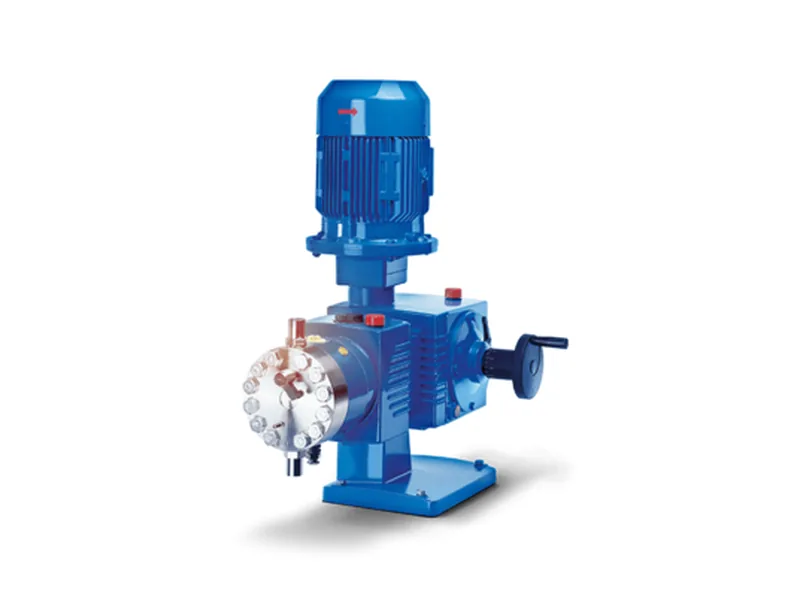
Filter press polymer dosing means injecting PAM or PAC into the discharge line of the filter-press feed pump, so sludge is conditioned before it enters the chambers. That line runs at high pressure and the pressure swings as the press fills, so a metering pump that is short on rating cannot inject, and a pump without the right valves will see sludge flow backward. This article is for dewatering-plant technicians and for engineers retrofitting a feed line. Whole-plant polymer systems are covered in sludge dewatering dosing system selection; this page stays on the feed line.
Why filter press polymer dosing is harder than a tank dose
As a plate-and-frame press fills, line pressure climbs, and it is higher still during squeezing. The injection point sits on that line, so the metering pump's rated discharge pressure must exceed the highest pressure the line will see, with margin. The feed pump also pulses, so pressure at the injection valve jumps.
The sludge is thick. The polymer has to mix before the press. Inject too close to the machine and the chemical enters unmixed; inject too far upstream and elbows can shear the flocs. Typical PAM dose ranges are discussed in typical PAM dosage, but on a feed line the pressure and the mixing length come first.
Is a mechanical diaphragm pump enough for filter press polymer dosing?
A mechanical diaphragm pump can do filter press polymer dosing when its pressure rating clearly covers the feed line. Many mechanical units are built for low to moderate pressure. They are fine into an open conditioning tank, but into a pressurizing feed line they may stroke without delivering, or the relief valve may lift continuously.
Use these checks:
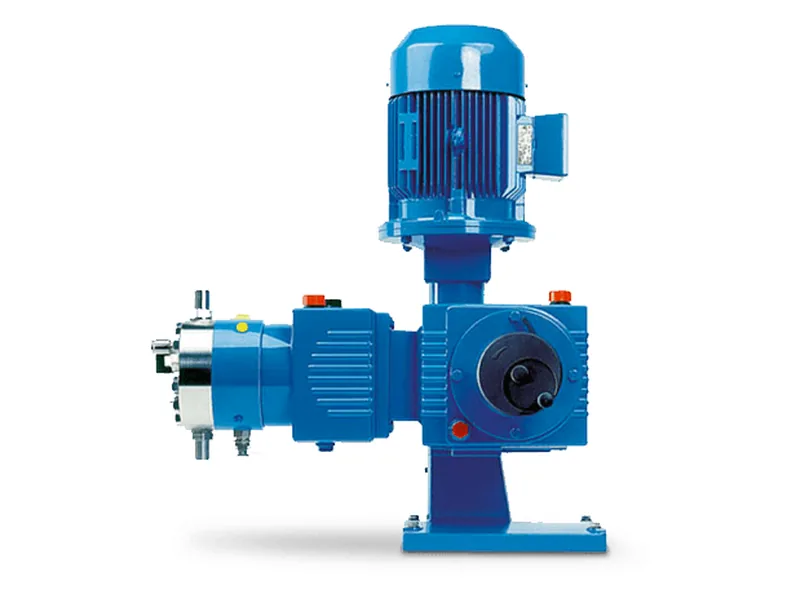
Figure 1: LEWA ecoflow hydraulic diaphragm metering pump cutaway. Image source: LEWA official website
- If the highest feed-line pressure is well below the pump rating, with margin, a mechanical diaphragm pump is usually enough.
- If the pressure sits near or above that range, or swings widely through the day, prefer a hydraulic diaphragm metering pump.
- If the flow is small and the pressure is high, do not force a low-pressure, large-flow pump into the line.
- Fit a reliable check or injection valve on the feed line before you debate pump type, so sludge cannot run backward.
A hydraulic diaphragm pump uses oil to drive the diaphragm and can be built for higher pressure, which suits filter press polymer dosing into a press feed line. Selection for high pressure or hazardous liquid is covered in how to select a hydraulic diaphragm metering pump. LEWA ecoflow hydraulic diaphragm metering pumps are often used on higher-pressure metering duty; the official pages describe a modular head and gear unit. Use the published curves for limits, and do not invent figures here.
Back-pressure valves, check valves, injection and mixing length
Even when the pump rating is adequate, filter press polymer dosing still needs the right accessories. Fit a check valve or an injection valve so sludge cannot flow back into the metering pump. Line pressure sometimes dips below the pump's instantaneous discharge pressure; without a check, sludge enters the chemical line.
Set the back-pressure valve for the feed-line pressure, not for an open tank. A valve set too low will interrupt the dose every time the line pressure swings. A pulsation dampener helps the metering pump's own pulse, but it does not replace a pump that is rated above the line.
The injection valve should reach the center of the pipe and close at the operating pressure. After the injection point, leave a straight run or a static mixer before the press. A sharp elbow immediately at the feed-pump discharge is a poor mix point.
Before you open anything on this line, stop the feed pump, close the isolation valves and depressurize. Confirm the gauge is at zero so sludge and chemical cannot spray.
When there is no conditioning tank
Some plants skip the tank and rely only on filter press polymer dosing in the pipe. That saves floor space, but it is harder on the metering pump because there is no low-pressure volume to mix in. During commissioning, record the highest pressure through a fill cycle and compare it with the pump rating. Do not use the feed pump's "normal" nameplate figure alone.
If the second half of the fill already sits close to the metering pump rating, do not raise the relief set point to squeeze more capacity out of the unit. The relief valve is protection, not a way to increase discharge pressure. Change to a hydraulic diaphragm pump, or move the dose back to a low-pressure conditioning stage. That choice is the core of filter press polymer dosing.
Conclusion
Filter press polymer dosing is a pressure and mixing problem. The metering pump must be rated above the highest feed-line pressure, with margin; use a mechanical diaphragm pump only when that rating fits, and move to a hydraulic diaphragm pump when pressure is high or unsteady. Fit a check or injection valve and a correctly set back-pressure valve, and leave length for mixing. See the hydraulic diaphragm pump category and the LEWA page. Send us the feed pressure, the sludge flow and the chemical, and contact our engineers to judge whether a mechanical pump is enough.
FAQ
Can I dose into a conditioning tank instead of the feed line?
Yes, and the pressure is much easier. Filter press polymer dosing into the feed line is for plants that have no tank and must mix in the pipe. Then the pressure check is mandatory.
The mechanical pump strokes but the relief valve lifts. Why?
The feed-line pressure is probably near or above the pump rating, or the injection valve is blocked. Read the gauge before anyone raises the relief set point.
How many pumps does filter press polymer dosing need?
Usually one pump per chemical. Do not combine PAC and PAM in one line into the same point. Continuous plants should have a standby.
The injection valve keeps plugging with sludge. What helps?
Use a high-pressure injection valve with a straight path and a check, and flush the chemical line after a stop. Do not let sludge dry in the port while the press is idle.
Will pressure swings upset the dose?
Yes. Leave margin on the pump rating and fit a suitable back-pressure valve and dampener. When the swings are severe, a hydraulic diaphragm pump is the better match for filter press polymer dosing.