
Livestock Water Medicator for Vaccine and Barn Lines
A livestock water medicator is not a bucket of sanitizer tipped into a pond. On a poultry or pig farm the product travels through the drinker line to nipples or bells, and the dose has to follow how much water the animals actually drink. Vaccine is a short, ratio-controlled event. If an oxidizing disinfectant is still sitting in the pipe, live vaccine titer drops fast. Routine line disinfection is a different chemical and a different flush schedule. This article is for farm managers and drinker-system installers who specify a livestock water medicator on barn drinker lines, not pond or recirculating aquaculture.
Why a livestock water medicator treats vaccine and disinfection as two jobs
Do not run the two jobs in the same unflushed pipe. Line disinfection usually uses a low level of sodium hypochlorite or another oxidizer approved for drinking systems, to hold biofilm in the water line and drinkers. Live vaccines are sensitive to leftover oxidizer. Before vaccination, flush the livestock water medicator line until the residual at the far end is inside the farm protocol, then start the vaccine.
Vaccine delivery often lasts only a few hours. The dose comes from the day's expected water intake and the dilution ratio given by the veterinarian. Many houses start around lights-on, when drinking rises. When the event is over, flush the livestock water medicator and the pipe with clean water so leftover product does not spoil or block fittings in a bend.
Daily disinfection can run as a continuous low ratio on drinking flow, or as a short shock during empty-house cleaning. Vaccine feed is usually smaller and shorter, so the stroke must still sit in a range you can calibrate. Continuous disinfection has to cover the day's peak and the night-time trough. Pump-head materials for hypochlorite are covered in sodium hypochlorite dosing pump selection. Hypochlorite off-gasses and can crystallize; keep the suction line short and the tank out of direct light.
In-line ratio feed versus a header-tank premix
A livestock water medicator usually follows one of two layouts. The first injects into the drinker main in proportion to flow, with a water meter or a flow signal driving the pump, the same idea as water-meter pulse proportional dosing and dosing control methods. The second premixes the day's vaccine or disinfectant in a header tank or a dedicated barrel, then sends that solution out with the drinking water.
In-line injection fits houses where intake swings and you need a stable dilution in the pipe. Premix fits a short vaccine event when a dedicated barrel is already on site and the animals will drink the volume in a few hours. Premix fails when the barrel has no mixer and the product settles, so the first drinkers get a rich slug and the last ones get a weak one. In-line livestock water medicator feed fails at night or during a water-off period: a water-powered unit can drift at near-zero flow, and a metering pump left on the daytime stroke will overshoot locally.
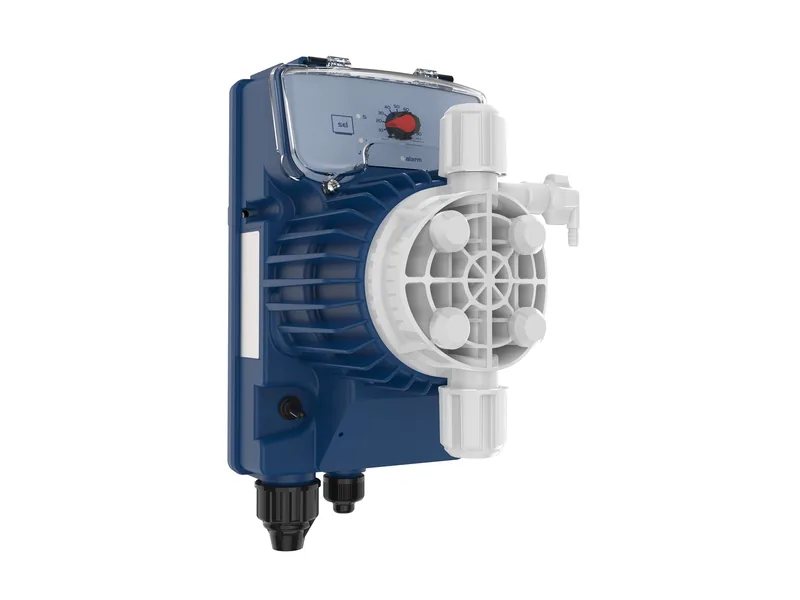
Small poultry and pig houses often use a solenoid metering pump as the livestock water medicator. SEKO solenoid units are common at these low continuous flows; compare them on the SEKO brand page and the metering pump category. Do not drop a pond-sized pump onto a drinker line. The minimum stroke will still be too rich.
Residual chlorine, low night flow, and settling
When a livestock water medicator misbehaves, the pump is often fine and the procedure is not. The most common miss is vaccinating with live product right after disinfection, while residual chlorine is still at the far nipples. The second is low flow: night intake falls, the pump does not follow, concentration spikes at nearby nipples, and the far end of the house never sees the dose.
These drinker-line problems show up often and are rarely listed together:
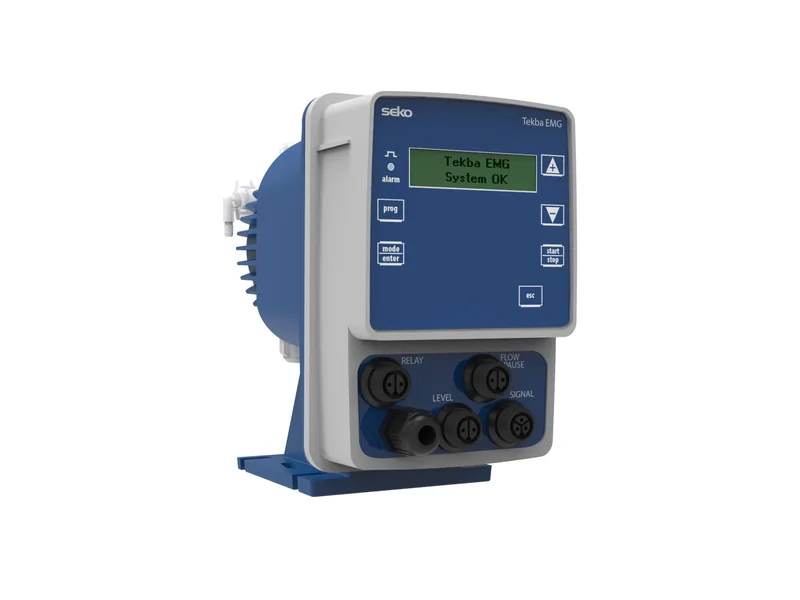
Figure 1: SEKO Tekba solenoid metering pump. Image source: SEKO official website
- The injection point sits too close to the first drinker row, so the mix is still streaky: near end too strong, far end too weak.
- Vaccine dilution in the barrel is not stirred, or the suction hose sits on the bottom and pulls settled solids first.
- Hard or alkaline source water drops some products out of solution and blocks the injection valve and the drinkers.
- There is no check valve between the livestock water medicator and the main, so drinking water runs back into the chemical tank when the pump stops.
Place the injection point after the filter and before the house main, and leave a length of pipe for mixing. Do not leave vaccine and disinfectant on one unmarked hose for weeks. Flush the livestock water medicator head and tubing when you change products. Oxidizers corrode and irritate; depressurize and isolate power before you open a head, and wear protection.
When a metering pump beats a water-powered medicator
A small house with steady daily intake and mainly short vaccine events can get through the day with a graduated barrel and a simple water-powered livestock water medicator, if someone is watching. A site with many houses, intake that changes with weather and age, and both daily disinfection and regular vaccination is more stable with a water-meter pulse driving a metering pump. Keep the two chemicals on separate pumps and separate tubes, and flush before you switch.
A water-powered livestock water medicator needs no electricity, which helps in a temporary house or a site with poor power, but the ratio drifts at low velocity and the strainer needs frequent cleaning. A metering pump needs power, calibrates more clearly, and can hold night-time concentration with pulse control or a stop interlock. Do not tee both devices into the same chemical line so they push against each other.
Conclusion
A livestock water medicator works when vaccine feed and line disinfection are two procedures, with a flush and a residual check in between, and when the dose follows actual drinking, not a habit setting. It is not a scaled-down pond pour. Have daily water intake, the product type, and whether you need continuous disinfection or a short vaccine window ready, then contact us for a pump check against that duty and the wet-end materials.
FAQ
What should I do with disinfectant in the line before a live vaccine?
Flush until the residual at the far end is inside the protocol, then start the vaccine. Turning the livestock water medicator off without a flush leaves oxidizer in bends and drinkers, and live titer falls. Flush volume should match the line volume, not a few minutes of guesswork.
How do I set the ratio on a livestock water medicator?
Start from the day's expected water intake and the required dilution, then confirm with a cup test or a calibration cylinder. Age and air temperature change intake, so the same dial setting will not hold all year. At night, check that the pump is not still running the daytime stroke.
Should I premix in a header tank or inject in the pipe?
For a short vaccine event that will be drunk in a few hours, a premix is simpler. When intake swings and you need a steady concentration all day, in-line livestock water medicator injection is the better fit. Premix still needs stirring and a time limit, especially with live vaccine.
Can I mix disinfectant and vaccine in the same barrel?
No. Oxidizing disinfectants inactivate live vaccine, and some killed vaccines are affected as well. Run the two jobs on different days or different windows, flush in between, and do not leave the livestock water medicator and hose uncleaned after a change.
Drinkers are dry, or the animals suddenly stop drinking. What first?
Check whether the livestock water medicator just overshot, and whether the injection valve or drinkers are blocked by precipitate, then look at source-water hardness and whether the product dropped out of solution. Opening the stroke further usually makes it worse. Stop the pump, flush the far end, and sample the concentration before you add more chemical.