
Pulse Water Meter Proportional Dosing: Wiring and Settings
A pulse water meter is the usual way to keep chemical feed in step with water flow: each pulse stands for a fixed volume of water, and the pump delivers a set number of strokes for that volume. A 4-20 mA loop is better when you want to follow a residual or a pH reading. How to choose between those signals is already covered elsewhere. This note stays with one job: wiring a pulse water meter to the pump, setting the constants, and finding out why the dose does not match the water.
Read the pulse water meter as a volume, not as a switch
The output of a pulse water meter is not a simple on/off command. It represents a fixed volume. The nameplate or the pulse-module leaflet gives the pulse factor, usually as pulses per cubic metre or litres per pulse. That figure must be entered on the pump in the same units, or the ratio is wrong from the first litre.
On the pump, pulse control usually offers two multipliers: several pulses for one stroke, or several strokes for one pulse. Which one you use depends on how dense the pulse water meter signal is, how much chemical you need, and how much the pump delivers per stroke. Set the stroke length to a stable value first, then use the multiplier to finish the ratio. Changing both at once makes the arithmetic impossible to check.
A simple way to think about it: you know the target litres of chemical per cubic metre of water, the volume represented by each pulse, and the volume of one pump stroke. Once those three numbers agree, the multiplier follows. If the solution strength changes or the stroke dial is not trustworthy, measure the actual stroke volume at the discharge with a measuring cylinder. Do not rely only on a percentage on the keypad.
The pulse water meter must sit on the main that actually enters the process. A bypass left open means fewer pulses and a light dose. Some mechanical meters barely emit a pulse at very low flow, so a quiet night shift can look like a pump fault when the meter has simply not reached its first pulse.
How to wire the pulse water meter to the pump
Most solenoid or digital pumps that can follow flow want a dry contact or an open-collector pulse. A pulse water meter often uses a reed switch or a passive pulse module. Isolate power before you land the wires. Confirm whether the pump's pulse terminals already have an internal supply: a dry-contact input must not be fed with 24 V DC; an active input must be wired with the polarity and voltage given in the manual. Do not work on terminals with wet hands.
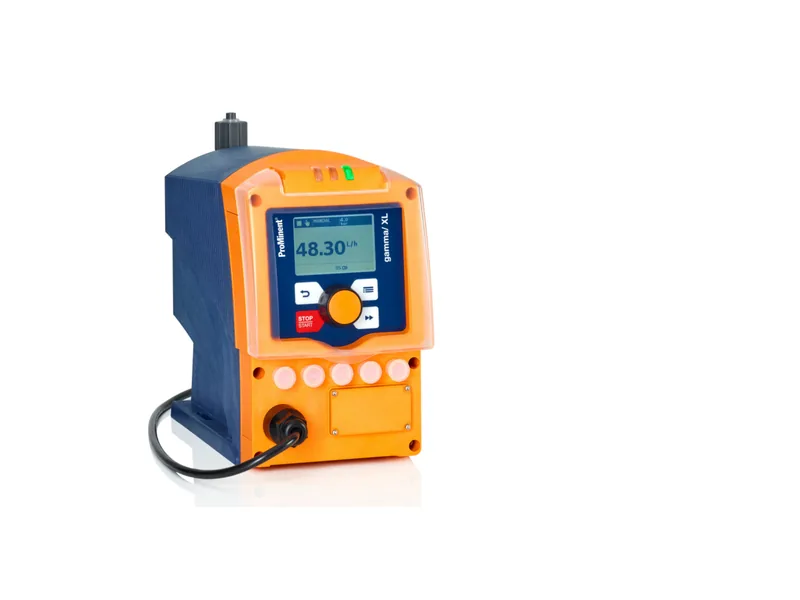
Figure 1: ProMinent gamma/XL solenoid metering pump. Image source: ProMinent official website
- Use a shielded twisted pair and earth the screen at the panel end only.
- Keep the pulse cable off the same tray as motor feeds or a variable-frequency-drive output. Noise on that cable will be counted as water, and the pump will over-dose.
- On a long run, check the allowed cable length in the manual before you add an isolating relay.
The normally open or normally closed setting must match the pump menu. A pulse water meter usually closes briefly and then opens. The pump should count the edge, not the time the contact stays closed. Contact bounce can turn one real volume into two counts and a high dose. Some menus offer a pulse filter or a minimum pulse width. That can drop short bounce, but a filter that is too wide will also drop genuine short pulses from a fast pulse water meter. Set the filter from the real pulse width.
Do not mix the level, pause and pulse terminals. A low-level input is a protection; the pulse water meter input is the ratio. When both are active, follow the maker's priority rules. Terminal marks are shown in guides such as NEWDOSE metering pump wiring. Do not short neighbouring terminals from memory.
Set the pump, then prove the pulse water meter count
After the wiring is landed, run the pump in manual long enough to prime and to see liquid at the discharge, then switch to pulse mode. That split tells you whether the pump itself will not stroke, or whether the pulse never arrives.
Enter the pulse factor and the multiplier. Some keypads let you type a dose in millilitres per litre of water; others only give a multiplier and a stroke setting, so you have to finish the arithmetic yourself. Do not leave the skid as soon as the menu is saved. Open a little water and watch the pulse water meter register move with the pump's stroke counter. After one complete pulse volume, the stroke count should match the setting. If it does not, check that pulses reach the pump, that the filter is not eating them, and that the multiplier is not inverted.
Then check the total over a longer period: water through the pulse water meter against the drop in the chemical tank. If the ratio is off, look first at stroke volume, air on the suction side and a plugged injection point, and only then at the pulse input. If pulses arrive and the pump still will not stroke, check that it is not left in manual, that the pause input is not held low by a level switch or a remote stop, and that the pulse amplitude is high enough.
When flow rises suddenly, confirm that the pump can still reach the required stroke rate. If the pulse water meter is too fast and the pump is already at its maximum frequency, the dose will run light. Fit a meter with a coarser pulse factor, or a pump with a larger stroke, rather than winding the stroke to the stop. The broader choice between analog and pulse is in metering pump 4-20mA vs pulse control; how pulse, analog and alarms share a controller is in dosing pump controller functions.
If a metering pump will be paced by a pulse water meter, state the pulse input on the order and have the pulse factor ready. If the model or the wiring is unclear, contact us with the meter constants and the target dose.
Conclusion
Proportional dosing with a pulse water meter stands on three numbers and one cable: the pulse factor, the stroke volume, the multiplier, and a clean dry-contact run that is not picking up noise. Wire first, prove the pump in manual, then check the counts in pulse mode, and finish with a bulk comparison of water and chemical. Bounce, a meter that is silent at low flow, cable noise and a pump that has hit its stroke-rate limit are the first places to look when the dose drifts.
FAQ
The pulse water meter is turning, but the pump is not dosing. Is the pump faulty?
Not necessarily. Check that the pump is not still in manual or pause, that the pulse terminals have not been fed with the wrong voltage, and that the cable is continuous. See whether the pulse water meter contact actually closes, then confirm that the pump's counter registers the pulse.
Where do I find how many litres each pulse represents?
On the pulse water meter nameplate or in the leaflet for the pulse module. It is usually given as pulses per cubic metre or litres per pulse. Enter that figure as it is. Do not mix cubic metres and litres in the same setting.
The dose always runs high. Is the stroke too long?
A long stroke can be part of it, but bounce that doubles a pulse, or a factor and multiplier entered the wrong way around, are more common. Clear those first, then measure the stroke volume with a cylinder.
Will proportional dosing stop at night when flow is very low?
Some mechanical meters emit no pulse below a start-up flow, so the pump will sit still. If a minimum dose is still required, check the start-up flow of the pulse water meter, or use a meter that still pulses at low flow.
Can the pulse cable share a conduit with motor leads?
It is a poor idea. Noise will be counted as flow. Run the pulse water meter cable on its own, use a shield, and earth that shield at the panel end.