
Mine Water Treatment Dosing: Turbidity, Iron and Acidity
Mine water, pit water, and coal-mine drainage come up with grit, coal fines, iron and manganese, and sometimes acidity. This is not a steady industrial effluent, and it is not a tailings-reuse or flotation-reagent problem. An underground sump pump can run hard for a while, so the water suddenly turns turbid or acidic, then settles again when the pump stops. Mine water treatment dosing has to follow that surge: drop the solids and iron first, and treat acidity as its own pH line. This piece is for mine environmental staff and the operators of the surface treatment plant. It stays on mine drainage. It does not retell a tailings-reuse or flotation-dosing article.
Why mine water treatment cannot copy a generic industrial flowsheet
Most industrial wastewater holds a fairly stable composition from one shift to the next. Mine drainage is bursty. When the sump pump starts, turbidity and iron often rise together; when it stops, the clarifier sees a different water. If the pumps sit on a stroke that was set to the average, the floc falls apart in the peak and the dose is too high in the trough. Iron and manganese also leave a yellow-brown film on pipes and weirs. If pH and oxidation are not in the right window, flocculation after that will struggle.
So the first job in mine water treatment is to decide whether this stream is mainly turbid, mainly iron, or mainly acid. If it is turbid and still near neutral, coagulation and flocculation come first. If it is clearly acidic, bring pH into the window where iron and solids can actually precipitate, then talk about clarification. Lime or caustic on this duty has some kinship with lime and ferric used in sludge conditioning, which is covered in sludge conditioning lime and ferric dosing, but here the chemicals are for the water treatment stage. Test the dose on this mine's water; do not copy a sludge-conditioning recipe.
How coagulation, iron removal and pH adjustment should be lined up
Turbid mine water treatment usually starts with PAC or a ferric salt, then PAM so the floc can grow in a settler or a high-rate clarifier. The injection point has to be where mixing is adequate; mixer versus a flash-mix tank is discussed in coagulant dosing point selection. The PAC-then-PAM order is in PAC and PAM dosing sequence. Because mine water treatment turbidity can jump quickly, a fixed stroke only suits a very steady pumping pattern. When the sump duty swings, a flow-paced dose is steadier. Judge by the floc and the effluent: loose sludge and still-cloudy water usually mean the mix is short or the dose missed this surge; a sticky surface is a reason to cut PAM first.
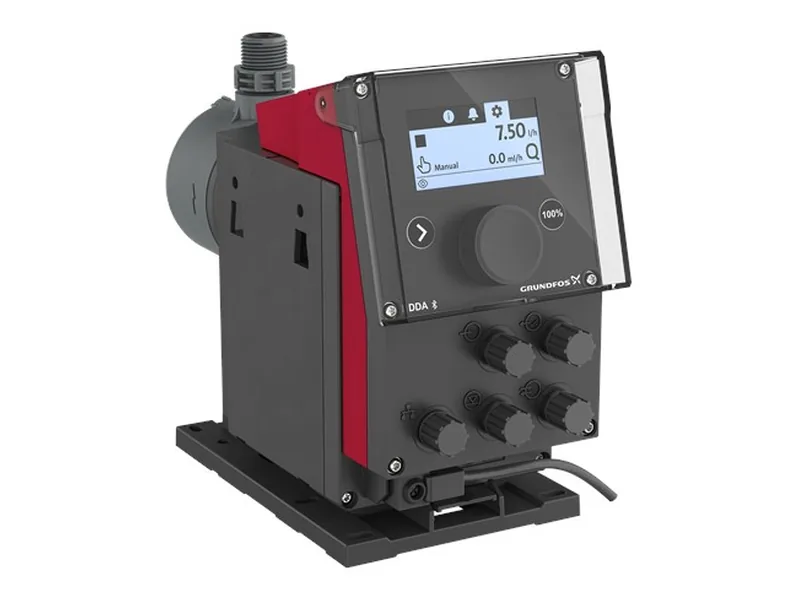
Acidic mine water needs its own alkali line. Sodium hydroxide crystallizes in cold weather; milk of lime settles and blocks pipes. Keep the lime tank stirred, keep the suction line off the sludge in the cone, and flush the lime line with clean water before a shutdown. In mine water treatment, select heads, seals, and pipe for the acidic raw water and the alkali separately, and never share a discharge line between the two. Grundfos DDA and DDE digital dosing pumps are a common fit where the feed should follow a flow or a pH signal; compare the series on the Grundfos brand page and in the metering pump category. Size for the pumping peak, and keep the pump's rated pressure above the pressure at the injection point.
Lime, acids, and ferric salts can burn or corrode. Ventilate the dosing area, wear protection, and depressurize and flush a pump before you open the head.
What happens in mine water treatment when the sump pump starts
Mine water treatment is not a 24-hour municipal plant. Flow often starts and stops with the underground pumps. When a pump starts, turbidity can rise in minutes; if the coagulant is still on a low stroke, the clarifier will run dirty for a short window. When the pump stops and the dose keeps running, chemical accumulates in the tank. A better arrangement is to interlock the dosing pumps with the drainage pump, or to pace them from influent flow, so chemical stops when pumping stops, with a short delay to clear the line.
During idle time, lime slurry and PAM are the first to scale or gel in a narrow tube. Before the next start, flush, inch the pump to purge air, and do not open it at full stroke. The injection valve must check, so treated water cannot run back into the chemical line. Once you have peak drainage flow, raw-water pH, and the chemical list, contact us with those figures so the head material and the stroke range can be checked.
Around a sump-pump start, walk the plant with this list:
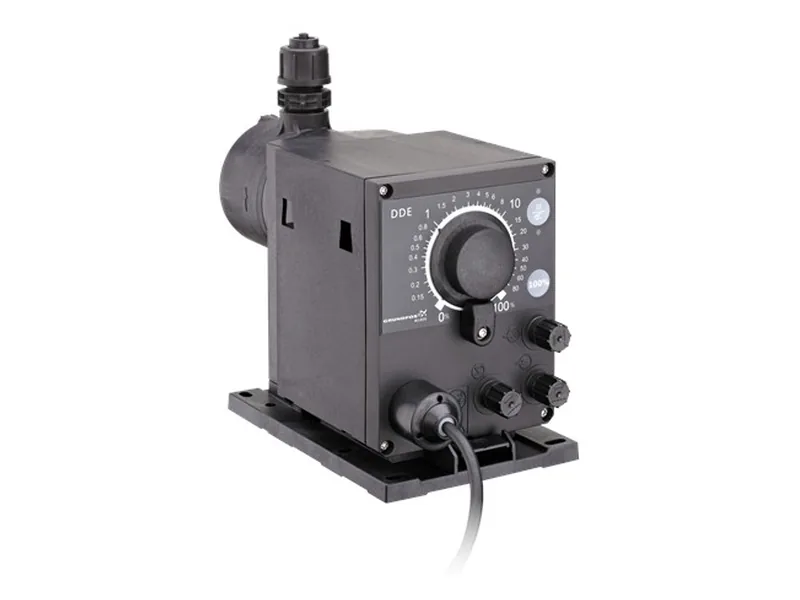
Figure 1: Grundfos DDE digital dosing pump. Image source: Grundfos official website
- Coagulant and alkali pumps are interlocked with the drainage pump or the flow signal, and are not still on a fixed stroke
- The lime mixer is running, and the suction line and foot valve are not sitting in settled slurry
- Dosing actually stops after pumping stops, and the lines have been flushed with clean water
Conclusion
Mine water treatment follows a short sequence: decide whether this drainage is turbid, iron-rich, or acidic; coagulate and flocculate for solids and iron; adjust pH on its own line when the water is acid; and pace the pumps with the drainage pump or the flow. Do not copy a generic industrial flowsheet or a tailings-reuse program. Have peak drainage flow, raw-water pH, and iron and turbidity figures ready before you size the mine water treatment pumps.
FAQ
Is mine water treatment dosing the same package as tailings-water reuse?
No. Tailings and mineral-processing reuse deal with process-reagent residuals and recycle-water quality. Mine drainage is grit, iron, manganese, and sometimes acidity from pumping. The two streams should not share one dosing set, or they will interfere with each other.
If we only add PAC and skip pH adjustment, will the iron still drop out?
Often not, if the water is acidic. Iron precipitation is sensitive to the pH window. While the water is still acid, iron will not settle cleanly and the effluent can stay yellow. Check pH first, then decide whether a separate alkali line is needed.
Why does a lime-slurry pump in mine water treatment keep blocking?
Milk of lime settles and scales. If the tank is not stirred, the suction line sits in the cone, and the line is not flushed after a stop, a blockage is only a matter of time. Keep the mixer on, keep the pipe short, flush with clean water after pumping, and inch the pump on the next start.
The underground pumps start and stop. Can the dosing pumps in mine water treatment run all the time?
Better not. If dosing continues after drainage stops, chemical builds up in the tank and the next surge starts from the wrong residual. Interlock with the drainage pump or the flow meter, and stop the dose when pumping stops.
If the mine water looks clear today, can we switch every pump off?
Look at the mine water treatment effluent first. If turbidity and iron are stably within limits, coagulation can be turned very low or paused, but acidic water still needs its pH watched. Do not shut every pump because the water looked clear for a day.