
Laboratory Wastewater Treatment: Neutralization and Metal Dosing
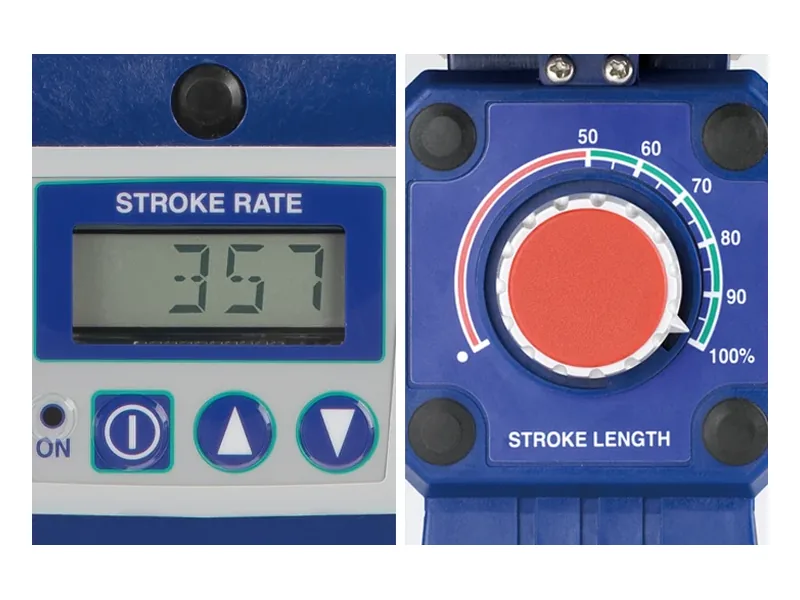
A teaching lab, hospital lab, or QC lab does not behave like a small electroplating shop or a continuous chemical plant. Someone can empty a beaker of concentrated acid, a caustic rinse, or a metal-bearing digest into the collection line in seconds. The volume is small; the quality swing is not. Laboratory wastewater treatment starts by catching that shock in an equalization tank and bringing pH back into the discharge window with separate acid and caustic pumps. If the waste also carries heavy metals, precipitation is a second step. This piece is for lab managers, EHS staff, and builders of small packages.
Why laboratory wastewater treatment keeps fighting the equalization tank
The usual first instinct is to buy a "universal" dosing cabinet. The hard part in a lab is that the feed will not sit still. Morning traffic may be dilute acid rinse water; after lunch someone may dump a bottle of digestion residue. pH can fall or spike within minutes. If the tank is too small, even a fast metering pump is chasing a peak that has already passed, and the next correction overshoots the other way.
So the first job in laboratory wastewater treatment is not to pick a large pump. It is to keep incompatible wastes apart before they reach the tank. Acids, caustics, metal-bearing residues, and organic solvents should not share one jug for convenience. Solvents and oils will not disappear because you added a little coagulant; they need their own collection and disposal route. The equalization tank should be mixed or recirculated, or the probe will read one layer while the rest of the tank sits elsewhere.
How to set up acid and caustic pumps without constant overshoot
For laboratory wastewater treatment, two pumps are the baseline: one for alkali, one for acid. Do not use a single pump for caustic today and acid tomorrow. Tanks, tubing, and injection valves should stay separate; mixed residues can heat up, and you will no longer know the strength in the line. Sodium hydroxide is common, but it crystallizes in cold weather; head and strainer choices are covered in caustic soda metering pump selection. The acid side is often dilute hydrochloric or sulfuric acid. Match the head and seals to the actual acid.
Low flow is the other constraint in laboratory wastewater treatment. Continuous lab flow is often tiny. A large industrial pump may already be above that minimum when the stroke is fully down, so the feed still arrives in lumps. A solenoid diaphragm pump is a better match. IWAKI EHN pumps are a common choice on small neutralization packages; compare the series on the IWAKI brand page and in the metering pump category, and see small dosing pump selection for the low-flow limit. Size for the short peak, and keep the pump's rated pressure above the pressure at the injection point.
pH control fails most often by overshoot. A small tank, a strong reagent, and a probe too close to the injection point will let the pump keep dosing before the reading has caught up, so pH swings past both ends of the discharge window. Probe lag is a usual reason laboratory wastewater treatment overshoots pH. Place the probe where mixing is reasonably complete, and give the dose time to react before you sample. Placement and lag are covered in online pH control dosing. After a shutdown, confirm the probe is calibrated and the pump head is not full of air before you return to automatic.
Wear protection when you handle strong acid or caustic, and keep the dosing area ventilated. Depressurize and flush the line before you open a pump head. If sodium hypochlorite is stored in the same room, do not share a bund or a discharge line with acid: a mixed leak can release chlorine gas.
When metals are present, laboratory wastewater treatment cannot stop at pH
Teaching labs and analytical rooms sometimes send copper, nickel, chromium, or lead down the drain. Bringing pH to neutral does not guarantee those metals will drop out, and the discharge can still fail a metals limit. For this part of laboratory wastewater treatment, first confirm whether metals are present and which ones, then decide whether a precipitant is needed, and in which pH window. Chemical families are discussed in heavy metal wastewater dosing, but the dose has to be tested on this lab's actual waste. Do not copy a plating-shop recipe.
After precipitation, a small polymer dose in laboratory wastewater treatment often helps the solids separate. Make PAM down as a dilute solution; do not pour dry powder into the pump. Collect the sludge and send it out; do not flush it back into the tank. Chromium- or cyanide-bearing wastes need their own treatment route. They should be segregated, not mixed first in the same tank.
What goes wrong when someone dumps a bottle
Laboratory wastewater treatment is not a 24-hour municipal plant. Labs run hard during the day and sit idle overnight. If a bottle of concentrated acid hits the tank while the caustic pump is still on a low setting, the probe lags, then the controller slams the pump to full stroke and the tank goes alkaline. Give the tank enough hold-up, pour waste in slowly when you can, and raise the dose as level changes, rather than waiting until pH has already crashed.
During idle time, residue in the acid and caustic lines can crystallize or attack valve balls. After a weekday shutdown, laboratory wastewater treatment pumps fail more often from crystals in the line than from a torn diaphragm. Before the next start, flush the suction line and the head with water, inch the pump to purge air, then return to automatic. The injection valve must check, so tank water cannot run back into the chemical line. Once you have peak dump volume, tank size, chemicals, and the discharge limits, contact us with those figures so the head material and the minimum flow can be checked.
A short walk-around is enough to catch most faults:
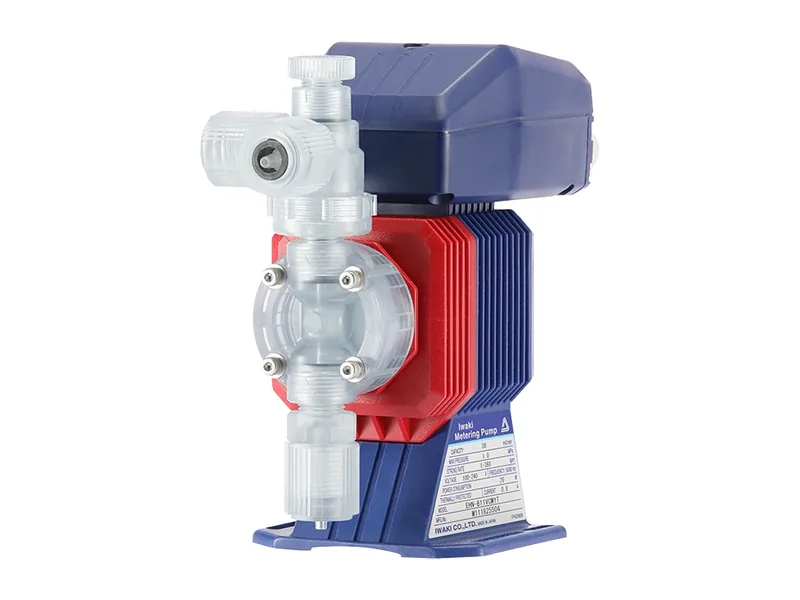
Figure 1: IWAKI EHN-YN solenoid metering pump. Image source: IWAKI official website
- Acid and caustic still have separate heads, lines, and tanks, and no one has filled the wrong drum
- The pH probe has been calibrated, and the reading is close to a handheld meter
- After a shutdown, the pump was degassed, and the injection valve is not crusted or weeping
Conclusion
Laboratory wastewater treatment follows a short sequence: keep streams apart, let the equalization tank absorb the dump, then use a dedicated acid pump and a dedicated caustic pump to hold the discharge pH window. If metals are present, precipitate and separate them as a second step. Solvents get their own collection, not a dose of coagulant. Do not shrink a plating-shop flowsheet and install it in a lab. Have peak dump volume, tank volume, and discharge limits ready before you size the pumps.
FAQ
Can laboratory wastewater treatment use one pump for acid and caustic in turn?
No. The two doses go in opposite directions. Residue left in the head and tubing can heat up, and you will not know the strength. Separate pumps are easier to tune and to flush.
Can we skip the equalization tank in laboratory wastewater treatment?
Most labs should not. A drain has no hold-up and almost no mixing, so the chemical is gone before it reacts, and pH swings even harder. Collect the waste in a tank, then dose to the tank pH.
If pH is neutral, are the heavy metals gone in laboratory wastewater treatment?
Not necessarily. Each metal has its own precipitation window, and some need a precipitant. The water may look milder after neutralization and still fail a metals limit. Test first, then decide whether a separate precipitation step is required.
The lab flow is tiny. Can we just turn a large industrial pump down to its lowest stroke?
That is often inaccurate. The pump's minimum may still be higher than the lab flow, so the stroke looks healthy and the dose still arrives in lumps. Use a small solenoid metering pump whose minimum is actually below the duty, and calibrate on the real discharge.
If solvents go into the tank, will extra flocculant in laboratory wastewater treatment remove them?
No. Solvents and oils are not removed by pH adjustment or a small polymer dose. Collect them separately and send them for proper disposal. Mixing them into the neutralization system will foul pumps and probes.