
Highway Rest Area Wastewater: Oil, Traffic Peaks and Disinfection
A highway rest area produces two messy streams at once: greasy wastewater from restaurants and dishwashs, and a toilet load that jumps when holiday traffic arrives. The two stack, so both flow and quality can swing within a few hours. Highway rest area wastewater dosing has to cover oil removal, peak shaving, and effluent disinfection. It is not a steady domestic-sewage duty, and it is not the same as a car-wash recycle loop. This piece is for rest-area facilities staff and the operators of the compact treatment plant on site.
Why highway rest area wastewater fails most often on holidays
Weekday traffic can look manageable. Then a long weekend or a national holiday fills the dining rooms and the restrooms at the same time. If the equalization tank is small, that peak reaches the DAF, the biology, and the disinfection stage almost un-buffered. The pumps are still adding yesterday's stroke, so the effluent turns cloudy or oily, or the disinfectant residual disappears. Unlike a school, which empties in vacation, a rest area is busiest when everyone else is off work, and may run almost empty late on a normal night. If the dose cannot rise and fall with traffic, you will under-dose on the holiday and over-dose after midnight.
So the first check on highway rest area wastewater is whether grease removal and equalization actually catch the shock. Restaurant water should go through a grease trap; emulsified oil then belongs in a DAF or a settler. How to set coagulant and polymer on a DAF is covered in DAF chemical dosing. If the trap is neglected, more PAC will not stop free oil from coating media, membranes, and injection valves. Equalization has to flatten the holiday peak; if the hold-up is too short, opening the metering pumps to full stroke will not buy the reaction time you have already lost.
How to set oil, coagulant and disinfection lines
Most rest areas need two or three chemical lines. One is an emulsion break or coagulation step, so emulsified oil and solids can float or settle. PAC is common, with a small PAM dose if the floc is weak. Do not inject PAC and PAM at the same point; leave a mixing stretch between them. The other line is effluent disinfection, usually sodium hypochlorite, because the plant sits next to a public courtyard. Fecal coliform is not optional here. Dosage thinking is in sodium hypochlorite dosage range. Hypochlorite off-gasses; keep the suction line short and degas after a shutdown.
Kitchen grease and odor can look a little like a food-waste station, and some of the chemical ideas are in food waste wastewater dosing. A rest area is still mainly domestic sewage plus a restaurant stream, so do not import a full food-waste chemical list. Keep each chemical on its own pump.
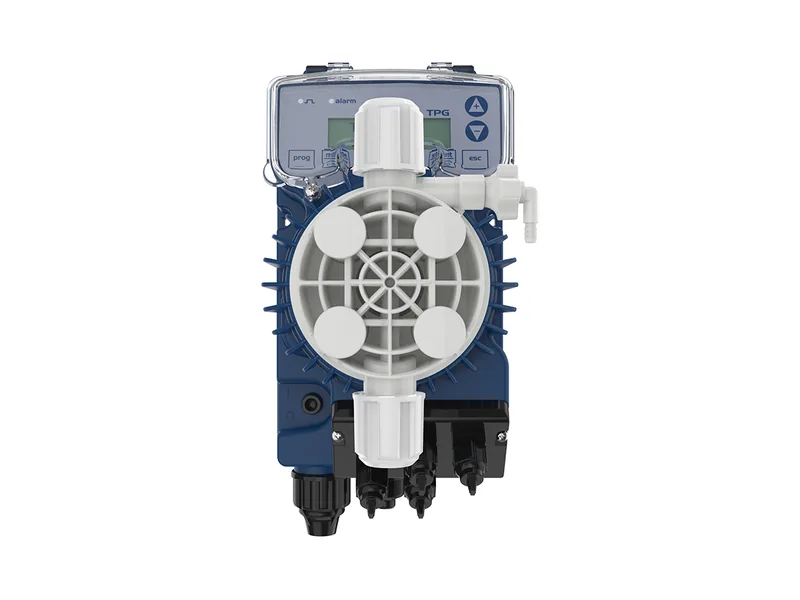
The pumps on highway rest area wastewater have to handle a modest base flow and a short holiday increase. SEKO Tekna TPG solenoid metering pumps are a common fit at this scale; compare the series on the SEKO brand page and in the metering pump category. Size for the holiday peak, and keep the pump's rated pressure above the pressure at the injection point.
How highway rest area wastewater dosing should follow traffic
The hard part of highway rest area wastewater is the gap between the busy hours and the quiet ones. Before a holiday, leave room on the coagulant and disinfection strokes; if the pumps already sit near full stroke on a normal Saturday, the peak will have nowhere to go. At night or in a weekday trough, turn the stroke down. PAM left in a narrow tube overnight will gel. Hypochlorite should follow the residual, not the lunchtime setting.
After the holiday, highway rest area wastewater pumps should be flushed, inched to purge air, and brought back up with the new traffic. Do not leave the pumps at full stroke the morning after. Never share a hypochlorite line or an undivided bund with an acid; a mixed leak can release chlorine gas. Ventilate the dosing area, and depressurize and flush a pump before you open it. Once you have holiday peak flow, the oil load, and the discharge standard, contact us with those figures so the head material and the stroke range can be checked.
Before a holiday weekend, walk the plant with this list:
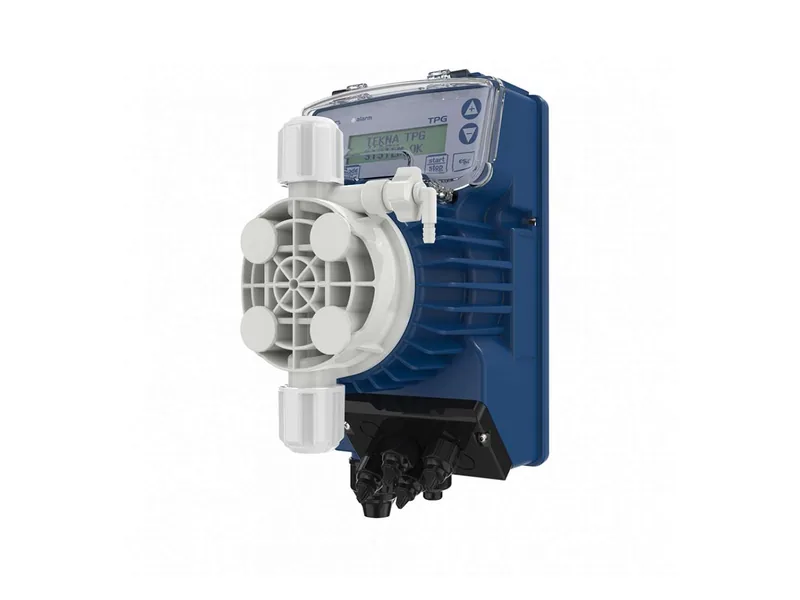
Figure 1: SEKO Tekna TPG metering pump. Image source: SEKO official website
- Grease traps and DAF scrapers have been cleaned, and the equalization tank has spare volume for the peak
- Coagulant and disinfection pumps still have stroke in reserve, and the low-flow period has an automatic cut-back
- The hypochlorite suction line is short and has no high loop, so a long holiday run does not gas-lock the head
Conclusion
Highway rest area wastewater should be treated in this order: trap restaurant oil, coagulate or float what is left, let equalization flatten the holiday peak, then disinfect the effluent, with the dose rising and falling with traffic. Do not copy a steady municipal setting or a car-wash recycle program. Have holiday peak flow, the oil load, and the discharge standard ready before you size the pumps.
FAQ
Can highway rest area wastewater be managed with disinfectant only, and no oil-break chemicals?
Usually no. Disinfection may be enough for the toilet stream, but restaurant emulsion that is not broken and separated will upset the biology and the outfall. The grease trap and the DAF still have to come first.
If holiday traffic doubles, is it enough to run the pumps at full stroke?
Not always. If mixing time, DAF hold-up, and equalization are already short, the chemical will not have time to react, and you may also overdose. Check whether the tanks can accept the peak before you rely on pump reserve.
Should highway rest area wastewater disinfection stay at the daytime setting overnight?
Usually you should cut it. Night flow is lower; a lunchtime stroke will push the residual up and waste chemical. Follow the residual and the actual flow, rather than a fixed stroke.
Can PAC and hypochlorite share one pump on highway rest area wastewater?
No. The two chemicals interfere with each other, and you can no longer tell what you are adding. Keep heads, lines, and tanks separate.
Can the rest-area sewage plant share dosing pumps with an on-site car wash?
It is a poor idea. A car-wash recycle loop and highway rest area wastewater from restaurants and toilets are not the same duty. One set of pumps will not track both when the water quality changes.