
Hydraulic Diaphragm Pump Installation: Base, Piping and Oil
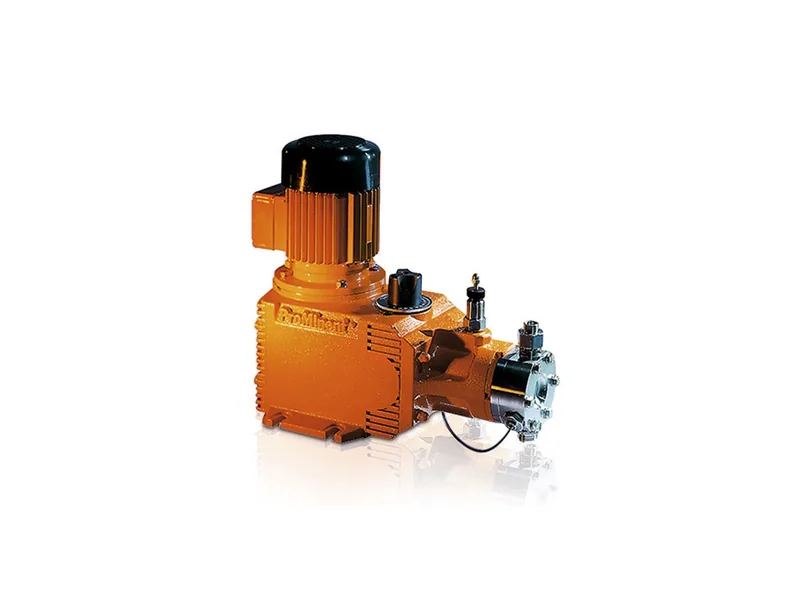
Hydraulic diaphragm pump installation comes down to five things: a solid level base, easy suction, a protected discharge, the right oil, and a proper check before start-up. Skip any of them and the problem shows up later as poor accuracy, noise, relief valve lifting or early diaphragm failure. These pumps are expensive and run at high pressure, so installation quality matters more than it does for a small solenoid pump.
This guide follows the order of work on site, using industrial hydraulic diaphragm pumps such as ProMinent Hydro and Makro TZ as examples. Always take exact dimensions and values from the manual supplied with the pump.
Foundation and Mounting
A hydraulic diaphragm pump reciprocates and produces cyclic forces, so it needs a rigid, level concrete plinth or steel base. Raise the plinth above floor level so the motor stays dry and the area is easy to clean.
Level the base plate in both directions with a spirit level before tightening the anchor bolts. Shim any voids under the feet; never use bolt torque to pull a base flat. Leave service space around the pump, especially at the liquid end so the head can come off for a diaphragm change, and at the gearbox so oil level, filling and draining are easy.
Suction Piping
Suction conditions decide whether the pump doses steadily. This is where most hydraulic diaphragm pump installation mistakes happen, and where hydraulic diaphragm pump installation crews should spend extra time.
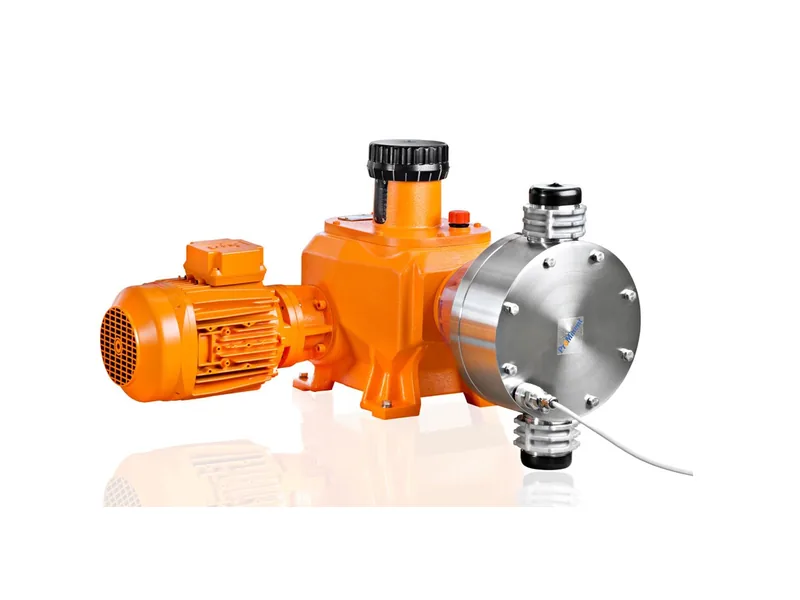
Figure 1: ProMinent 普罗名特 Makro TZ diaphragm metering pump. Image source: ProMinent 普罗名特 official website
- Use flooded suction wherever possible, with tank level above the pump inlet.
- Make the suction line at least the size of the pump inlet, keep it short and use few bends.
- Fit a strainer that is easy to clean, and upsize the line for viscous fluids.
- Avoid high points where gas can collect, or fit a vent.
A long, narrow suction line causes high vacuum on the suction stroke. At best flow is short; at worst the liquid flashes and the pump head knocks.
Discharge Piping and Accessories
From pump to injection point, a typical discharge line carries:
- A pressure gauge near the pump outlet.
- An external relief valve to protect the pipework, set slightly below the internal relief valve.
- A pulsation damper, mounted close to the pump outlet and pre-charged to suit working pressure.
- A back pressure valve, required when discharge pressure is low or siphoning is possible. See relief vs back pressure valves.
- An injection check valve to stop process fluid flowing back.
Support the discharge pipe independently so the pump head carries no pipe weight. Choose pipe material for the chemical and pressure, then run a dosing pipeline pressure test after installation.
Filling the Hydraulic Oil
Many pumps leave the factory without oil in the gearbox or hydraulic chamber. Check the nameplate and manual for grade and quantity before filling, and do not mix brands. Our guide on which oil to use covers the usual choices.
Know which compartment is which. Some pumps share one oil between gearbox and hydraulic chamber; others keep them separate. Fill to the sight glass mark, then bleed the hydraulic chamber as the manual describes. Trapped air gives low, unsteady flow.
Location and Environment
Ventilate the pump room. High ambient temperature thins the oil and cooks the motor; cold thickens it and makes starting hard, so outdoor sites in cold climates need insulation or trace heating. In corrosive areas, keep the pump away from tank vents and specify a suitable enclosure rating for the motor and terminal box. A flushing water point near the pump makes maintenance cleaner and safer.
Electrical Connection
Wire the motor to the nameplate voltage and jog it to confirm rotation, because wrong rotation can affect lubrication. On variable speed drives, check the frequency range and minimum speed, since very low speeds can reduce gearbox lubrication.
Pre-Start Checklist for Hydraulic Diaphragm Pump Installation
- Anchor bolts tight, coupling guard fitted.
- Suction and discharge valves open, back pressure and relief settings confirmed.
- Gearbox and hydraulic chamber oil at the correct level, chamber bled.
- Stroke set low, no unusual noise on a jog.
- Enough liquid in the tank and the suction line filled.
For the first start itself, follow our first start and priming guide.
Records Worth Keeping After Hydraulic Diaphragm Pump Installation
Write down a few baseline values once hydraulic diaphragm pump installation is complete: base level readings, back pressure and external relief settings, oil grade and quantity, and measured flow at several stroke settings. When flow drops or noise rises months later, comparing against these numbers quickly shows which part of the system has changed.
Common Hydraulic Diaphragm Pump Installation Mistakes
The same errors appear again and again. Suction lines are reduced to match a smaller tank outlet. Discharge pipe is hung from the pump head with no support. Back pressure valves are left out because the injection point "has enough pressure". Oil is added to the gearbox but the hydraulic chamber is never bled. Each of these is cheap to avoid at hydraulic diaphragm pump installation and expensive to fix after the first failure.
Conclusion
Good hydraulic diaphragm pump installation means a level base, free-flowing suction, a protected discharge, the correct oil and a careful pre-start check, all to the values in the manual. Getting hydraulic diaphragm pump installation right lowers failure rates and maintenance costs for years. For models and data, see our hydraulic diaphragm metering pumps and ProMinent pumps, or contact our engineers for drawings or site support.
FAQ
Can the pump sit on top of the chemical tank?
Yes, if suction lift and NPSH allow it. With corrosive chemicals, protect the motor from tank fumes.
Is hydraulic oil filled at the factory?
Not always. Check the manual and nameplate before hydraulic diaphragm pump installation.
Is a back pressure valve always required?
It is required when discharge pressure is low or siphoning is possible, and recommended in most other cases.
How far can the pump be from the tank?
As close as practical. Keep the suction line to a few metres.
What should I watch on the first start?
Raise stroke gradually and watch pressure, noise, oil level and leaks before putting the pump into service.