
Pump Head Won't Close After Diaphragm Replacement: What to Check
A pump head that will not sit flat after diaphragm replacement is one of the most common problems in metering pump workshops. There is a gap between the head and the housing, and tightening the bolts does not close it. The cause is almost always one of four things: the diaphragm is not screwed fully home or is screwed too far, the backplate is reversed, the stroke length was not set to the position the manual specifies, or the head bolts were tightened in the wrong order. Work through them in that order and most cases are fixed in minutes.
This guide uses solenoid diaphragm pumps such as the ProMinent Beta and gamma X as examples. Motor-driven mechanical diaphragm pumps follow similar logic, but always follow the manual for your model.
How the Diaphragm Mounts in a Solenoid Pump
The diaphragm in a solenoid metering pump has a threaded metal insert at its centre that screws directly onto the solenoid push rod. Behind it sits the backplate, in front of it the pump head. Correctly fitted, the diaphragm's sealing edge is clamped between head and backplate while its centre moves with the rod.
So the diaphragm is not dropped in; it is screwed on. How far it is screwed decides whether the head closes and whether stroke volume is right.
Why the Head Won't Close After Diaphragm Replacement
Diaphragm not fully home, or over-tightened
If the diaphragm is not screwed fully home, its centre stands proud of the sealing face and the head bottoms on it before the edges meet. If it is over-tightened, the diaphragm distorts, the sealing edge lifts, and the head will not close or will leak once fitted.
Backplate reversed or misaligned
The backplate has a correct orientation. Fitted backwards, it shifts the whole diaphragm position. If its locating holes or lugs are not engaged with the housing, the head sits crooked.
Stroke length not at the specified setting
Many solenoid pump manuals call for the stroke length to be set to a specified value, often maximum, before the diaphragm is screwed on and the head fitted. With the stroke elsewhere, the rod starts from a different position, so the diaphragm ends up in the wrong place even when screwed fully home.
Wrong bolt sequence
Tighten one side first and the other side lifts. Fit all head bolts loosely, then tighten in a cross pattern in several passes, finishing at the torque in the manual.
Wrong diaphragm
Diaphragms for different models and head sizes look alike but differ in thickness and diameter. Check the marking on the diaphragm against the pump's identity code.
The Right Diaphragm Replacement Sequence

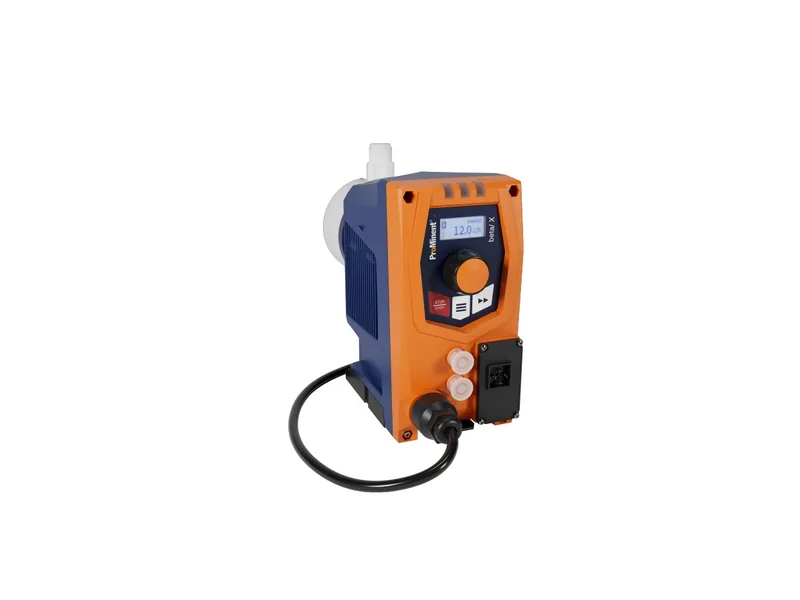
Figure 1: ProMinent 普罗名特 gamma X solenoid metering pump. Image source: ProMinent 普罗名特 official website
- Stop and isolate the pump, flush the head, drain the chemical and wear the right PPE.
- Set stroke length to the position the manual specifies.
- Remove the head bolts and head, unscrew the old diaphragm anticlockwise and inspect the backplate.
- Refit the backplate the right way round and engage its locators.
- Screw the new diaphragm onto the rod clockwise until it seats, then confirm position as the manual describes. Do not force it with tools.
- Fit the head, start all bolts, then tighten in a cross pattern in stages to the specified torque.
- Restore the stroke setting, run the pump and check for leaks.
For a full walk-through, see our dosing pump diaphragm replacement steps.
The Head Closes but Leaks
If liquid weeps between head and housing in operation, the diaphragm edge may be creased, old diaphragm residue or crystals may remain on the sealing face, or bolt torque may be low or uneven. Strip it, clean the faces, confirm the diaphragm lies flat and re-tighten in a cross pattern. After a few hours of running, re-torque the bolts as the manual directs, because a new diaphragm settles slightly.
First Run After Diaphragm Replacement
Start at low stroke and watch the head joint for weeping, then confirm the pump is dosing. Output can change slightly after diaphragm replacement, so recalibrate. If liquid appears at the leak detection hole in the head, the diaphragm is damaged or mis-assembled. Stop the pump at once.
How Mechanical Diaphragm Pumps Differ
On a motor-driven mechanical diaphragm pump the diaphragm is usually fixed to the push rod with a nut or connecting rod. Stroke and rod position still need setting first. The difference is force: a misplaced diaphragm on a mechanical pump may close up fine and then tear after a few days. Listen carefully and watch the leak detection hole during the first days after diaphragm replacement on these pumps.
Tools Worth Having on Hand
A few simple items make diaphragm replacement go smoothly: a torque screwdriver or small torque wrench for the head bolts, a plastic scraper for cleaning old residue from the sealing faces without scratching them, clean lint-free cloths, and the correct spare diaphragm and seals for the exact pump code. Lay the old parts out in order as they come off. Comparing old and new side by side catches a wrong part before it goes into the pump.
Preventing a Repeat
Write the steps, torque value and stroke setting on a card kept by the pump or in the maintenance file. The next technician follows it and the head closes first time. Stock the right diaphragm and head seals for each model so nobody improvises with a near match.
Conclusion
When a pump head won't close after diaphragm replacement, check diaphragm position first, then backplate orientation and stroke setting, then bolt sequence and part number. Follow the manual's order, tighten in stages across the head, re-torque after running and recalibrate. See our diaphragm metering pumps, the ProMinent Beta X and gamma X, or contact us for genuine diaphragms.
FAQ
Should stroke be at maximum for diaphragm replacement?
Many solenoid pump manuals require it. Check the manual for your model.
Should I back the diaphragm off after it seats?
Some models require a small turn back to align holes. Follow the manual.
What torque do the head bolts need?
It varies by model. Without data, do not over-tighten; plastic heads crack.
Output changed after diaphragm replacement. Is that normal?
A small change is normal. Recalibrate.
Can I use another brand's diaphragm?
Not recommended. Dimensions and materials differ, and the head may not close or the diaphragm may fail early.