
PTFE Valve Seat and Ceramic Ball: Why This Check Valve Pair Works
If a metering pump slowly loses flow, the first place many technicians look is the check valve, not the diaphragm. A PTFE valve seat with a ceramic ball is a pairing plants specify for corrosive or slightly crystallizing chemicals, because the seat resists attack and fouling while the ball stays round and hard. This article is for engineers and maintenance crews who already know how a check valve is stacked and want to know when this pair is the right call. For the internal layout of balls, seats and guides, see metering pump check valve structure.
What a PTFE valve seat actually improves
The seat is the ring the ball lands on. That contact line has to survive the chemical and still close cleanly after thousands of strokes an hour.
A PTFE valve seat helps in three practical ways. It stays stable in many strong acids, alkalis and oxidizing solutions that swell or soften some elastomeric seats. Its low surface energy means crystals and polymer films are less likely to glue themselves to the sealing face, which shows up on sodium hypochlorite and dilute PAM service. It also has a little give, so the ball can form a continuous line seal even if the assembly is slightly off-center, something a hard plastic seat often will not forgive.
Limits matter as much as the benefits. At higher liquid temperatures, or when hard grit keeps hammering the landing, a PTFE valve seat can take a permanent dent. Flow then leaks back through the valve even though the ball still looks new. In that case you thicken the seat, change the material, or clean up the suction conditions. Do not treat PTFE as a universal answer.
The liquid end body and the seat are separate choices. The head has to be strong enough for the connection and the pressure; the seat is about the sealing face. Match each to the chemical, as outlined in the metering pump head and valve material guide, instead of forcing one material on the whole pump.
Why the ceramic ball belongs on a PTFE valve seat
The ball has to be round, heavy enough to seat, and hard on the surface. Glass is inexpensive, but fine sand or crystals scratch it and the sealing line goes dull. Stainless steel shrugs off knocks, yet some chloride or pitting chemistries mark the surface, and a pitted ball will not close on a PTFE valve seat either.
Ceramic balls (typically alumina or zirconia) are hard, wear resistant and chemically quiet. Paired with a PTFE valve seat they form a hard-ball, soft-seat combination: the ball keeps its geometry, the seat does the conforming. Occasional fine crystals that would wreck a glass ball often leave the ceramic surface usable for much longer.
Two caveats. A ceramic ball is hard. If the PTFE valve seat is already soft or the valve was assembled crooked, the ball can stamp a ring into the seat. People then say the seat was "eaten"; the real issue is pairing and stroke rate. Ceramic also chips if it is dropped on concrete, so spare balls should sit in their own box, not in a shared toolbox with wrenches.
Chemicals that suit this pair, and those that do not
A PTFE valve seat with a ceramic ball is often the first choice for:
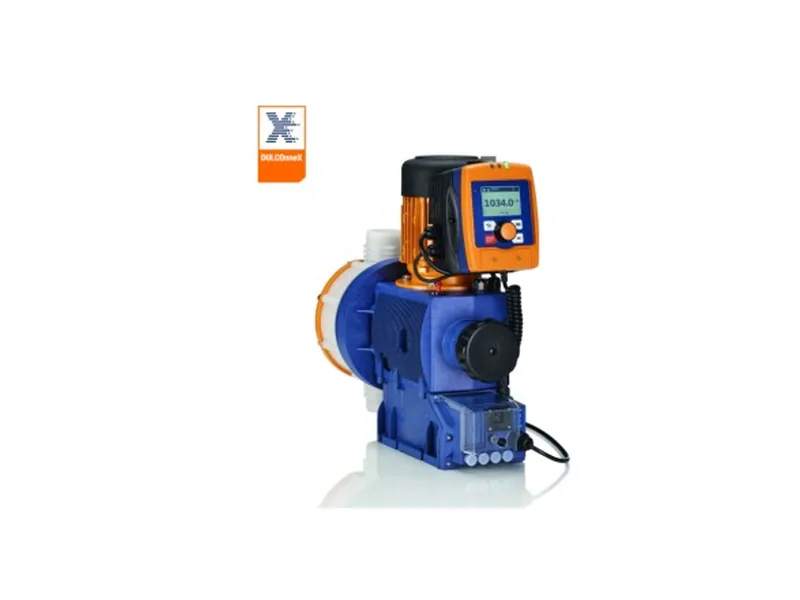
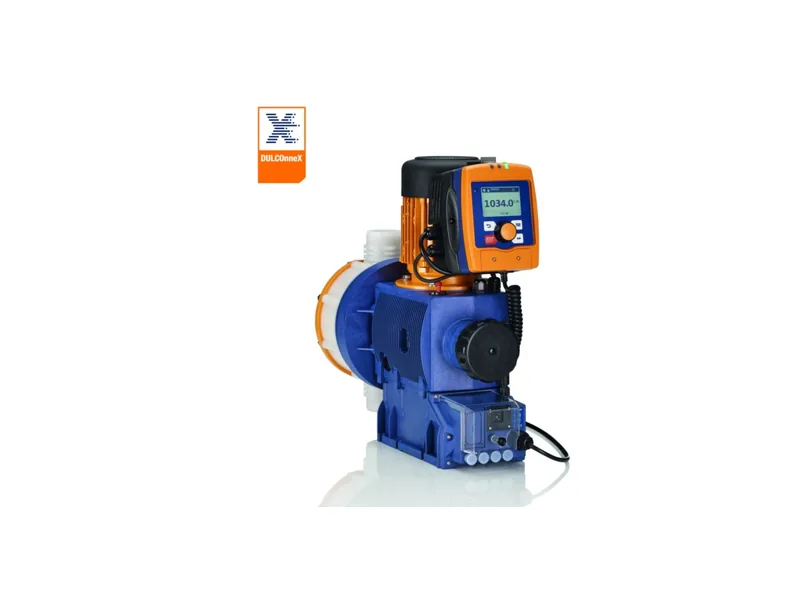
Figure 1: ProMinent Sigma X S3Cb. Image source: ProMinent official website
- Hydrochloric acid, sulfuric acid and sodium hydroxide within the temperature and concentration the liquid end allows
- Sodium hypochlorite, where you need oxidation resistance and less crystal buildup on the seat
- Dilute PAM or similar sticky aids that string and cling to valve parts
- Continuous dosing posts where you want fewer shutdowns just to clean valves
It is a poor fit for heavy slurries that grind a PTFE valve seat away, for hot chemicals that soften the seat, and for some hydrofluoric systems that attack certain ceramics and glasses. If the fluid is unfamiliar, send the name, concentration and temperature to the maker before you order. ProMinent Sigma motor-driven metering pumps can be specified with a PTFE valve seat and ceramic balls in the liquid end; write the chemical on the configuration sheet so the valve set is not left at the default PVC seat.
Assembly and inspection details that get skipped
A PTFE valve seat has a direction and a flat face. If the seat is cocked or the O-ring is not in its groove, the best ball will not seal. When you strip a valve, mark suction versus discharge, then press the ball by hand and watch it fall onto the center of the seat. Seal replacement steps are covered in dosing pump seal replacement; check the seat and ball in the same shutdown.
On a running pump, listen for a clean landing click at the valve. After a stop, watch for backflow or a calibration column that creeps downward. If flow fades and raising the stroke no longer recovers it, the PTFE valve seat may be scored or the ball may be crusted. Rinse with water or an approved solvent and a soft brush. Never drag a wire brush across the sealing face of a PTFE valve seat; one groove and the seat is scrap.
Replace the seat and ball as a set. A new ball on a dented PTFE valve seat still leaks. A new seat under an out-of-round ball will not last either.
Valve kits and related accessories are listed under dosing accessories. Configuration notes for liquid ends also appear on the ProMinent brand page.
Conclusion
The point of a PTFE valve seat with a ceramic ball is a division of labor: the seat handles most acids, alkalis and oxidizers and does not hold crystals readily, while the ball stays hard and round so the sealing line remains usable. You still have to respect temperature, grit and special fluids such as fluoride-bearing streams, and you still have to install the seat the right way up and change the pair together. Send the chemical, temperature and the valve materials you have now, and contact our engineers to confirm whether this pairing still fits or you should switch the seat or ball.
FAQ
Can a PTFE valve seat be used with every corrosive chemical?
Most strong acids, alkalis and sodium hypochlorite are acceptable, but hot service, hard solids and hydrofluoric systems need a separate check. A PTFE valve seat is not an unlimited corrosion rating.
The ceramic ball broke. Can I temporarily fit a glass ball?
You can as an emergency step, but glass wears faster, especially in crystallizing solutions, and the valve will start to leak again. Fit a ceramic ball of the same size as soon as you can, and inspect the PTFE valve seat for chips from the broken ball.
The seat has a ring dent. Is polishing enough?
Once a PTFE valve seat has a deep imprint on the sealing line, polishing rarely restores the original roundness and spring. Replace the seat. Leaving it in place usually damages the new ball as well.
Can I swap suction and discharge seats if they look the same size?
No. Some pumps use different springs or guides on the two sides. Mix them up and the pump may lose prime or leak internally. Mark parts when you dismantle the valve.
How often should I inspect the PTFE valve seat and ball?
On continuous duty with crystallizing chemicals, open the valve on the same cycle as your flow calibration, often every one to three months. If you wait until flow has already dropped, you will usually replace both parts. Keep the inspection record with the chemical name so the wear interval is easier to judge later.