
River Remediation Chemicals: Dosing Black, Odorous Urban Waterways
River remediation chemicals are an emergency and support tool for black, odorous urban waterways: they can cut odor, phosphorus and turbidity quickly, but they do not replace stopping sewage inflow or dredging. Before choosing a product, find out where the problem comes from. Is it combined sewer overflow, illegal connections, or sediment releasing pollutants under anoxic conditions? This guide covers the chemical options and the dosing equipment, and it is written for engineers planning river restoration work and the contractors who operate it.
Why urban waterways turn black and smell
Black, smelly water nearly every time means dissolved oxygen has run out. Organic matter and ammonia break down without oxygen and release hydrogen sulfide and other odorous compounds. Iron and sulfur in the sediment combine into iron sulfide, which turns the water black.
That gives a simple order of investigation. Check outfalls for raw sewage or cross-connections. Measure dissolved oxygen and clarity. Then look at sediment depth and smell. If the external load is still flowing in, river remediation chemicals only buy time, and the chemical bill keeps rising. Plan dosing together with interception, dredging and dilution flow.
Which river remediation chemicals are used?
Coagulants and phosphorus removal
Polyaluminium chloride (PAC) and ferric products settle suspended solids and phosphorus, so the water clears quickly. Adjusting the PAC dose as turbidity changes is covered in river water PAC dosing, and chemical and pump choices for phosphorus control are in phosphorus removal dosing system design. Keep in mind that coagulation adds a floc layer to the sediment, which later dredging has to handle.
Sediment remediation agents
Sediment is the internal load. Where dredging is not possible or not complete, oxidizing remediation agents are typically applied at the sediment-water interface to raise the redox potential and suppress sulfide and phosphorus release. These river remediation chemicals are injected or sprayed onto the sediment surface, with a metering pump and distribution pipework setting the dose.
Odor control and oxygen supply
Odor control products come in chemical and biological forms. They act fast, but mostly treat the symptom. Oxygen can come from aeration equipment or oxygen-releasing products. Hot, still summer weather is when odor peaks, so that is when odor control dosing and oxygen supply are usually stepped up.
Before buying, ask two questions: does the product come with environmental safety data, and can its residue cause secondary pollution? Public projects generally require that paperwork at handover. A wider comparison of treatment chemicals is in wastewater treatment chemicals.
Dosing river remediation chemicals: mobile or bankside station?
Each option has its place, and the decision is usually straightforward:
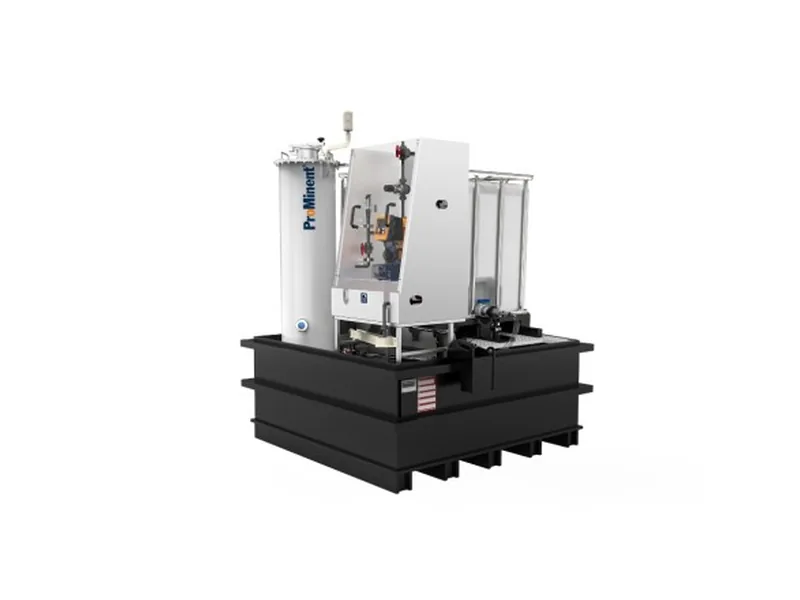
Figure 1: ProMinent DULCODOS SAFE-IBC metering and emptying station. Image source: ProMinent official website
- Short river sections or problems tied to specific events, such as overflows after storms, suit a truck- or boat-mounted mobile dosing station that moves to where it is needed.
- Fixed outfalls that need long-term treatment justify a permanent bankside station that feeds river remediation chemicals just downstream of the outfall or into a diffuser pipe.
- Tight budgets and short timelines can start with an IBC tote feeding a pump directly, then move to a fixed station once results are clear.
For a tote-based layout, ProMinent's DULCODOS SAFE-IBC metering and emptying station is a useful reference. It was designed for the food and beverage industry, but the idea of an IBC on a spill containment tray, a side buffer tank, and uninterrupted dosing during tote changes carries over well to a temporary riverside station. See our chemical dosing skids and the ProMinent range for other packaged formats.
How to set and adjust the dose
Start the river remediation chemicals dose with an estimate from river flow, target concentration and the active content of the product, then correct it with field data:
- Install a flow meter or weir upstream of the injection point and pace the metering pump to flow.
- Set a monitoring point downstream to track dissolved oxygen, clarity and total phosphorus.
- Change one parameter at a time and watch for two or three days before the next step.
Rain is the hardest part of dosing river remediation chemicals: flow jumps and water quality swings. Where possible, bring a rainfall or level signal into the control panel so the dose rises automatically after storms. More is not better. Excess coagulant lowers pH and can stress fish and aquatic plants, so trial on a short reach first and scale up once it proves safe.
Protecting an outdoor dosing station
A riverbank is a much harsher place than a plant room, and a station storing river remediation chemicals outdoors needs planning for these points:
- Sun and frost: house pumps and lines in a shaded enclosure, and add heat tracing or insulation to tanks and exposed pipe in winter.
- Leaks: set totes on a spill tray sized for a full container and run discharge lines inside a sleeve.
- Theft and vandalism: lock the cabinet and keep pumps and controllers out of sight.
- Power and remote monitoring: report tank level and pump status remotely to cut site visits.
Conclusion
River remediation chemicals can suppress odor and cut phosphorus and turbidity in the short term, but only once external pollution has been intercepted. Pick chemicals by cause and pick equipment by dosing period: mobile units for short, multi-site work, and a bankside station for long-term dosing at fixed outfalls. Then refine the dose using flow and downstream water quality. Send us river flow, water quality data and the chemicals you plan to use, and contact our engineers to check the dosing equipment.
FAQ
How fast do river remediation chemicals work?
Coagulants and odor control products usually show results quickly. Sediment remediation takes longer, depending on pollution level and how much the water moves.
Can river remediation chemicals harm fish?
It can. Overdosing or rapid pH change affects aquatic life, so trial a short reach first and control the dosing rate.
What does a mobile dosing station need?
A tank or tote, a metering pump, a control box, discharge hose and a diffuser, plus a spill tray and a generator or grid connection.
Can we dose without stopping sewage inflow?
It is not recommended. With the source still active, chemicals only suppress symptoms, odor returns once dosing stops, and long-term cost is higher.
Where should the injection point go?
Usually just downstream of an outfall or tributary, where current carries the chemical away. Avoid dead zones and use a perforated diffuser if needed.