
Aeration Basin DO Control: Sensors, Setpoints and Blowers
Aeration basin DO control puts a representative probe, a dissolved oxygen setpoint, blower or air-valve action and a sensible PID together. Plants that can add ammonia or load as feedforward still rest on that loop. Sensor selection is a separate topic; this page is about how the control is done, for instrumentation and process staff at a wastewater plant. Probe care in general is in online analyzer calibration and electrode maintenance. Signal practice in a control loop is similar to that in online pH and chlorine analyzers controlling a metering pump.
Aeration basin DO control starts with the probe and the setpoint
Do not mount the probe against the wall, in a coarse-bubble jet, or in a corner where the influent has not mixed. An aerobic zone may use one point or several, as long as each point represents the water you intend to control. A dirty probe will drift the loop; cleaning and comparison belong in the routine, not after the blowers are already hunting.
The setpoint comes from the process standard. Do not hold a rich residual just because the trace looks high: more air is more power, and sludge properties can suffer. Too low a residual makes nitrification or organics removal struggle. The aim of aeration basin DO control is a stable band the process asked for, not a momentary peak. Operators who treat aeration basin DO control as a display reading, rather than a loop with a final element, usually end up chasing the trace by hand.
Chemical dosing on a wastewater plant is covered in wastewater chemical dosing precautions and wastewater dosing operating procedure. Those pages are about chemicals, not this air loop.
Blowers, valves and PID
The usual final elements in aeration basin DO control are a blower VFD, or a valve or inlet guide vane on the air line. Aeration basin DO control with a VFD suits one or more blowers whose flow you want to change. A valve suits a system whose air pressure is already held by another loop, and this zone only needs a split. Do not let the valve and the VFD fight: moving both hard at once makes the loop quarrel.
Tune the PID to a basin that has volume and lag. Too much gain or too fast an integral makes dissolved oxygen oscillate and the blower load and unload repeatedly. Light filtering on the measurement can help, but do not filter so hard that a real process change disappears. Put limits on the output and a minimum air flow, so the loop does not drive the machine into an unstable region or turn the basin into one coarse-bubble plume.
If an online ammonia analyzer is available, a feedforward from ammonia or from a load estimate can add air before a shock hits, with dissolved oxygen still trimming as feedback. Feedforward is optional. Badly done, it is worse than a plain DO loop. Stabilize the single loop first, then add feedforward. Aeration basin DO control that already hunts will only hunt harder once a second term starts moving the same blower.
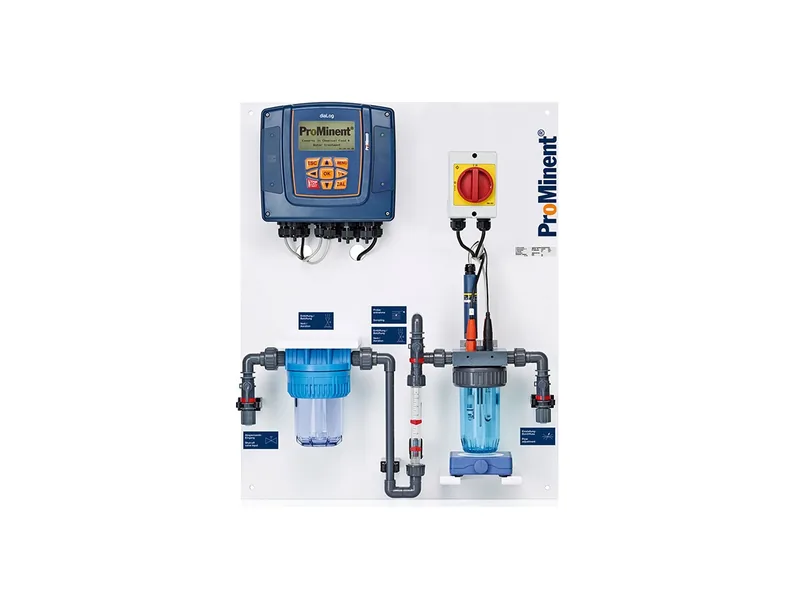
ProMinent describes DULCOTROL wastewater measuring systems and DULCOMETER dialog DACb controllers as wastewater and multi-parameter control units that can take a dissolved oxygen signal and send an output to an actuator. Whether they drive a blower directly depends on the electrical design; the controller often writes to a VFD or a PLC, and does not replace the high-voltage starter.
A field check of aeration basin DO control can follow this list:
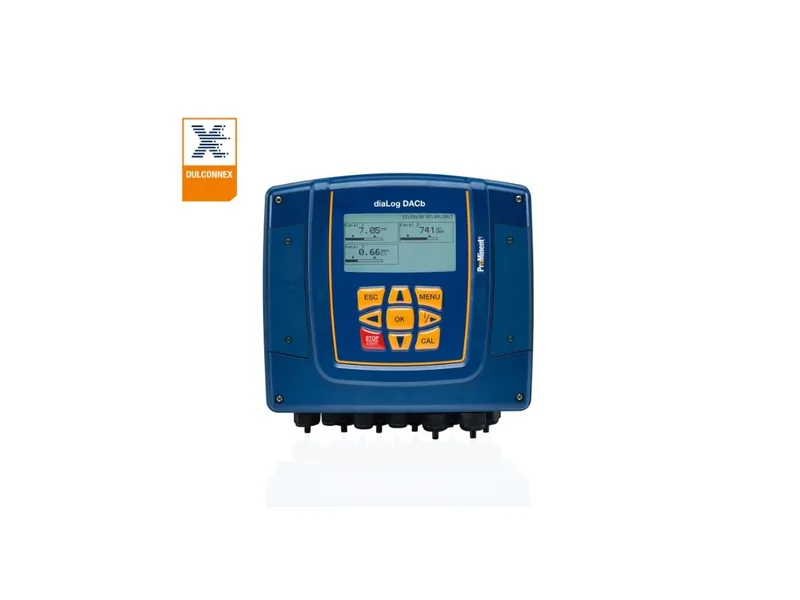
Figure 1: ProMinent DULCOMETER dialog DACb. Image source: ProMinent official website
- Is the probe location representative, is the window clean, and is the comparison still inside the allowed offset?
- Does the setpoint come from the current process rule, or did someone change it for a shift?
- Is the blower or valve actually under this loop, or is a manual command still in?
- Is the PID output oscillating, and is air flow inside sensible limits?
- When the load changes, is the issue the setpoint, the probe, or an actuator that cannot follow?
Oscillation, fouling and safety
If the loop oscillates, look at the measurement first. Bubbles hitting the cap or sludge on the window will make the controller add and cut air without rest. Clean the probe and fix the mounting, and the hunt often shrinks. Only then slow the integral or reduce the gain. Do not keep editing the setpoint to hide a bad measurement.
After a power loss or a blower trip, dissolved oxygen will fall. On restoration, do not slam the machine to maximum air. Bring it back in steps as the procedure says, so the sludge is not blown apart. Aeration basin DO control after a trip is a recovery sequence, not a race to the old setpoint. When you service the probe, lift it from a safe position, watch your footing, and isolate the signal or the power first.
Seasons and water temperature change oxygen demand and transfer, so last winter's PID can be too fast or too slow. Aeration basin DO control should allow a seasonal retune, with the parameters written down, rather than a tweak on every shift.
Conclusion
Aeration basin DO control is one loop made of probe location, setpoint, blower or valve, and PID. Feedforward can help, but it does not replace a stable feedback loop. Get the measurement true and the single loop quiet before you chase power savings and load following. See the controllers and analyzers page and the ProMinent page. Send us the basin layout, how the blowers are controlled and the instruments you have, and contact our engineers to review the loop.
FAQ
Does aeration basin DO control always need a VFD on the blower?
No. A valve or guide vane can also change air flow if the air supply allows it. A VFD is common and fine, but it has to match the machine.
If dissolved oxygen oscillates, is the PID always wrong?
Not always. Rule out a dirty probe, bubbles and a forgotten manual command before you retune. A false measurement will oscillate any set of gains.
Can the setpoint be moved just to cut the power bill?
Power matters, but the setpoint has to meet the process first. Any change should be approved by operations and watched against effluent quality, not only against the electricity meter.
How many probes does a multi-pass basin need?
Enough to represent each pass you intend to control. Aeration basin DO control that uses one unrepresentative point will over-aerate one corridor and starve another.
Why does ammonia feedforward fail?
A slow or inaccurate ammonia analyzer, too large a feedforward gain, or a fight with the DO feedback over the same actuator are common. Make the ammonia meter trustworthy, then enable feedforward in small steps.