
Gas Odorization System Guide: THT Odorant Dosing by Gas Flow
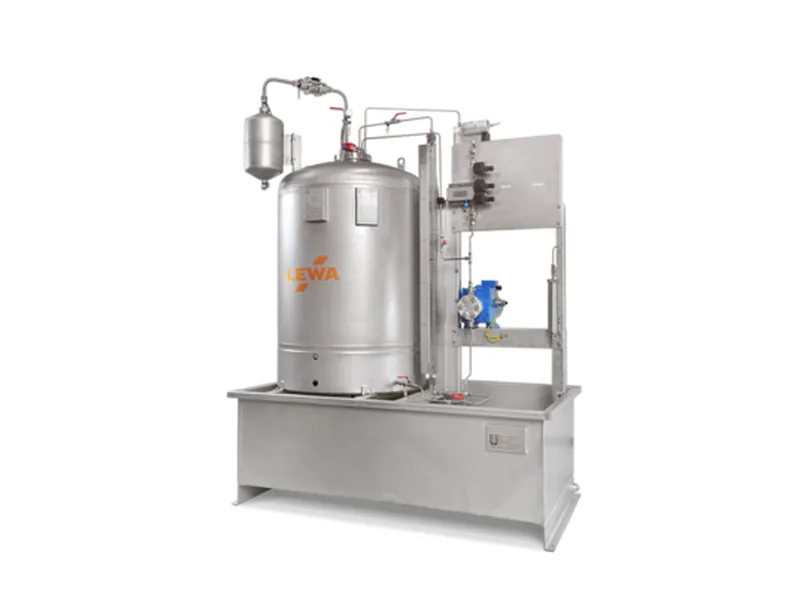
A gas odorization system injects an odorant into the gas pipeline in proportion to gas flow, so that any leak downstream can be smelled. Tetrahydrothiophene (THT) is one of the most common odorants in city gas networks. Natural gas has almost no smell of its own, and odorization is what lets residents and field crews notice a leak early. A typical gas odorization system has an odorant tank, an injection pump, a controller and an injection nozzle. The controller reads the flow meter signal, works out the required odorant rate and drives the pump. This guide is for operators of city gate and pressure regulating stations, design engineers and equipment buyers.
Why natural gas is odorized
Gas distribution safety depends on people being able to smell a leak. Whether it is a pipe, a valve or a cooker, the first warning is usually the odor. Too little odorant and a leak goes unnoticed. Too much and customers complain, and money is wasted on chemical. The point of a gas odorization system is not just to add odorant but to add it steadily in step with gas flow. Required odorant levels follow the applicable standards and the gas utility's own rules, so this article does not give figures.
Odorants: THT and the alternatives
THT is widely used because its smell is distinctive and it is chemically fairly stable. Mercaptan-based blends and sulfur-free odorants are also used, and the choice belongs to the gas utility and the gas supply conditions.
THT is a flammable, highly volatile liquid with an extremely strong smell. A small spill can trigger complaints from neighbors. Storage, filling and line sealing need far more care than with ordinary dosing chemicals.
What a gas odorization system is made of
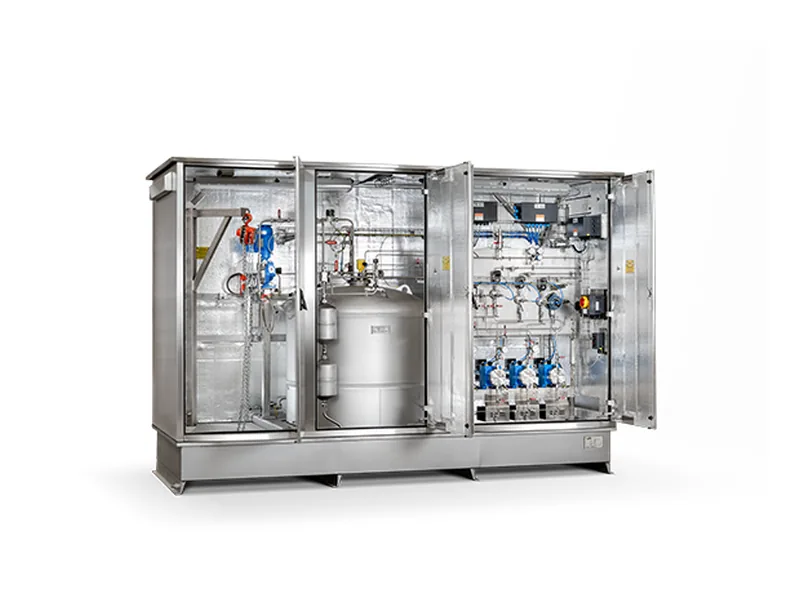
Figure 1: LEWA cabinet odorizing system. Image source: LEWA official website
- Tank: holds the odorant, with a level gauge, ideally with overfill protection and a drip pan.
- Injection pump: usually a diaphragm metering pump, very low flow, able to overcome line pressure.
- Controller: takes a 4–20 mA or pulse signal from the gas flow meter, calculates the odorant rate and sets the pump stroke rate.
- Injection nozzle: delivers odorant into the gas stream so it atomizes, vaporizes and mixes.
- Calibration and monitoring: a calibration pot or micro-flow meter to check what the pump actually delivers.
The LEWA odorizing system is a good example of an integrated design. It combines a diaphragm metering pump, micro-flow measurement, a control system and an odorizing nozzle, doses in proportion to gas flow, and offers a visual level gauge, overfill protection, leakage pans, a flushing system and stand-by pumps as options. See the LEWA brand page.
THT odorant dosing: how a gas odorization system tracks flow
Most gas odorization system installations run flow-paced. The flow meter sends gas flow to the controller, which multiplies it by the set odorant concentration and converts the result to a pump stroke rate. How flow pacing compares with other control modes is covered in dosing control methods, and signal wiring in metering pump 4-20mA vs pulse control.
Three issues come up again and again:
- Lost flow signal. If the signal fails, the controller must alarm and switch to a preset fixed rate. It must never simply stop odorizing without telling anyone.
- Low night-time flow. At very low demand the pump runs slowly, strokes are far apart and odorization becomes intermittent. Check that the pump can still dose evenly at minimum flow.
- Verifying actual output. Volumes are tiny, so the calculated rate and the delivered rate can drift apart. Check regularly with the calibration pot.
Choosing a natural gas odorant injection pump
The pump is the heart of any gas odorization system, and its priorities differ from an ordinary dosing pump:
- Very low flow with good repeatability.
- Discharge pressure rated for the gas pressure at the injection point.
- A volatile, flammable odorant calls for a well-sealed head. A diaphragm metering pump is a better fit than a packed plunger.
- Wetted materials and seals that resist the odorant, since some elastomers swell in THT.
- A duty and stand-by pump at important stations, with easy changeover.
Because the odorant is so volatile, warm tanks or suction under vacuum easily produce vapor bubbles and the pump loses prime. Keep tanks out of direct sun, keep the suction line short and level, and fit a bleed on the pump head. See air in a dosing pump.
Leak and odor control in a gas odorization system
With THT, the first cost of a leak is the smell. One drop on the ground can be noticed across the site and often leads to false gas leak reports. Design the tank and piping so that:
- The tank has overfill protection and a drip pan, and vapor displaced during filling passes through an adsorber rather than venting to air.
- Joints are kept to a minimum and valves are chosen for tight sealing.
- Before maintenance, the pump head and lines are flushed with the flushing system so the odor stays contained.
Gas odorization system safety
Odorants are flammable, and a gas odorization system usually sits inside the hazardous area of a city gate or regulating station. Select electrical equipment for the zone, bond and ground equipment and piping against static, and keep open flames away. Wear chemical gloves and goggles when refilling or opening the system, and work with good ventilation. For hazardous area pump selection, see explosion proof metering pump selection.
Conclusion
A gas odorization system exists so that a gas leak can be smelled, and its core task is dosing THT or another odorant steadily in proportion to gas flow. Confirm the flow signal and control mode first, then pick the injection pump for injection pressure, minimum flow and odorant properties. Build leak and odor control into the tank and piping, and match electrical equipment to the hazardous area. Send us your station flow range, injection pressure, odorant and control requirements, and contact our engineers to configure a gas odorization system.
FAQ
How much odorant should a gas odorization system inject?
Follow the applicable standards and your gas utility's requirements, then adjust based on odor checks at the far end of the network.
Can odorization continue if the flow meter fails?
Yes, temporarily at a fixed rate. Repair the meter quickly, because a fixed rate overdoses at low demand and underdoses at high demand.
Why does the odorant pump keep losing prime?
Vapor in the suction line is the usual cause. Warm tanks or long suction lines make it worse. Bleed the head first, then check the check valves.
Can the odorant pump share duty with another chemical?
Not recommended. THT is strongly smelling and flammable, so keep the pump and lines dedicated to avoid cross-contamination and material problems.
Is a constant smell around the gas odorization system normal?
No. It usually points to a weeping joint, vapor vented during filling, or equipment not flushed after service. Track down each source and fix it.