
Ferric Chloride Dosing: Corrosion and Crystal Risks
Ferric chloride dosing is common in water and wastewater plants for coagulation or sludge conditioning. The failures we see are rarely about "not knowing it is a coagulant." They are about the solution eating tanks, pipe, floors and electrical gear, or about crystals forming in a valve ball or strainer in cold weather so the pump still strokes while almost nothing leaves the quill. This article stays on corrosion and crystallization. It is not another coagulant comparison, and it does not calculate a dose. The job here is to keep ferric chloride dosing from eating the plant or blocking the line.
Why ferric chloride dosing has to start with corrosion control
A ferric chloride solution is strongly acidic. Carbon steel, cast iron, galvanized parts and unprotected concrete do not last. Even a slow weep at a valve stem leaves a rust-brown stain, then starts on the rebar and the baseplates. Fumes that drift onto a cabinet, a cable tray or a heating line may not look like a leak, but months later the screws and housings are already gone. Room ventilation and equipment protection are covered in chemical room ventilation and corrosion protection. Do not aim the exhaust at the electrical gear.
Tanks, pump heads, valves and tubing should be PVC, PVDF or a properly lined material, and the elastomers have to be checked for this chemical. It is not enough to ask whether "the pump is corrosion resistant" without naming the wet end. A carbon-steel tank or a plain metal line, even for a short run, often fails first at a weld or a thread. The floor needs a bund and an impermeable finish so a spill goes to a sump, not into the slab. Head materials are compared in metering pump material compatibility. Equipment options are on the metering pump page and the SEKO brand page.
One point in ferric chloride dosing is easy to miss: once the quill is in the main, any weep there stains and attacks nearby steel supports and concrete. Protect the supports, bolts and floor at the injection point, not only the equipment inside the dosing room.
How crystals shut a ferric chloride dosing line
Crystals and corrosion often arrive together. If the solution is too strong, the room is cold, or a section of line is left to dry after a drain, crystals grow in the strainer, the valve seats, the pump head and the quill. The pump is still stroking, discharge pressure is high, and the actual flow is close to zero. Open the strainer and you usually find rust-brown grit or a hard crust. Ferrous sulfate also crystallizes, but not for exactly the same reasons; that duty is in ferrous sulfate dosing. On ferric chloride dosing, low temperature and dead legs are the usual triggers.
Crystal control can be checked in this order:

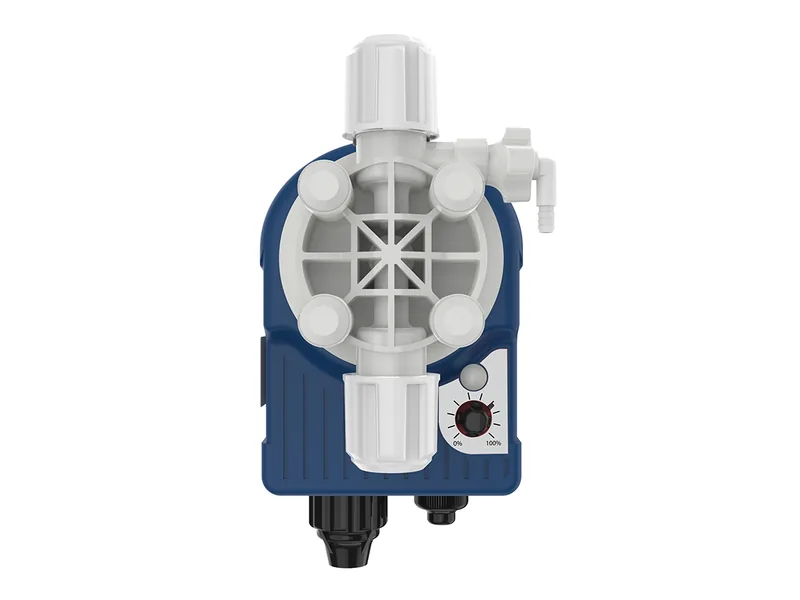
Figure 1: SEKO Tekba solenoid metering pump. Image source: SEKO official website
- Keep the run short, with few dead legs, and make it possible to drain and flush the line.
- Keep the tank and the pump in a room with a steadier temperature; outdoor pipe or a trench may need heat tracing.
- After a long stop, flush the head and the line with water rather than leaving a strong solution around the valve balls overnight.
- Do not make the solution as strong as the tank will hold, and leave access so the strainer can be opened quickly.
The safer layout for ferric chloride dosing is a short run, few dead legs, and a line you can drain and flush. Keep the tank and the pump in a room with a steadier temperature. Outdoor pipe or a trench may need heat tracing and insulation. After a long stop, flush the head and the line with water rather than leaving a strong solution around the valve balls overnight, especially in winter. Do not make the solution as strong as the tank will hold just to "make down less often." The stronger it is, the more readily it throws crystals when the temperature drops. Leave access to the strainer so it can be opened quickly. Do not wait for a high-pressure alarm before you look.
If flow falls, some shifts only raise stroke or frequency. When the real cause is a crystal blockage, that only starves the suction or lifts the discharge to the relief valve, and it does not clear the path. Stop the pump, depressurize, open the strainer or the valve stack, and only then restart ferric chloride dosing.
Safety rules that have to hold during make-down and maintenance
Ferric chloride concentrate injures skin and eyes, and it leaves a yellow-brown stain that is hard to remove from clothes and floors. Wear protection and eye protection, and a face shield if you are opening a line on a ferric chloride dosing skid. Stop the pump, close the isolation valves, depressurize the run, and flush the section you are about to open with water. Do not crack a thread or a pump head under pressure. Ventilate the room so fumes do not sit in the air, and keep electrical gear away from splash and drip points.
Do not put ferric chloride dosing on a common, unisolated header with other chemicals, and do not mix it in a tank or a line with caustic, a reductant or an unknown leftover. Reactions and precipitates can both occur. A spill should be held in the bund and the sump and handled as the site procedure requires, not washed into an ordinary floor drain. Those rules are the same family as other strong-acid duties, with two extra problems on ferric chloride dosing: staining and crystals.
Conclusion
Ferric chloride dosing works when you block the corrosion path and the crystallization path early. Select tanks, pumps, pipe and floors for the acid, keep the line short, flushable and heat-traced where it must be, ventilate the room and provide a bund, drain the line when the plant is down, and depressurize and protect people before you open anything. Send us the solution strength, the room temperature, the length of the run and the materials you already have, and we can check the metering pump flow, the wet-end materials and the pipe layout on the metering pump page.
FAQ
Can we use a carbon-steel tank or a stainless line for ferric chloride dosing?
Do not rely on a carbon-steel tank. Ordinary stainless is not safe at every strength and temperature either; welds and threads often fail first. Use a plastic or lined system that has been checked for this chemical, rather than "trying it for a while."
If the pump will not feed in winter, is the metering pump failed?
Check the strainer and the valve balls for crystals, and check that the suction is not starved, before you blame the pump. Many faults are a blocked path, not a failed drive. Depressurize, open the strainer, and do not raise the stroke first.
Should we drain the line if the pump will sit overnight?
In winter, or when the solution is strong, flush the head and the line with water rather than leaving concentrate around the valve balls. Even after a short stop in a stable room, avoid a dead leg that can dry out and crust.
The floor already has a yellow-brown stain. Do we have to replace it?
The stain means there has already been a leak. Find and stop that leak first, then repair the bund and the floor coating so the solution cannot keep soaking into the slab. Do not replace a floor while the leak is still active. Stop the ferric chloride dosing leak first.
How should we choose the pump head and the seals?
Check PVC, PVDF or another compatible material against the chemical, and do not use the wrong elastomer. Send us strength, temperature and flow, then ask us to check the pump. Material selection is also covered in metering pump material compatibility. Ferric chloride dosing depends on that choice as much as it depends on the flow rate.