
Fermentation Feed Pump Selection: Nutrients, pH Control, Antifoam
Choosing a fermentation feed pump starts with what you are feeding. Sugar and nitrogen feeds are relatively large and must follow the process profile steadily. Acid and base for pH control are small but must respond quickly to the pH signal. Antifoam is smaller still and usually added in short shots when the foam probe trips. The three feeds ask different things of a pump, but they share one rule: the feed path must never become a way in for contamination. Lab and pilot vessels mostly use peristaltic pumps, while large fermenters and pressurized feeds often use diaphragm metering pumps. This guide is for fermentation process engineers, equipment engineers and buyers supplying bioreactor packages.
Three feeds, three sets of fermentation feed pump requirements
Carbon and nitrogen feeds
In fed-batch culture, carbon and nitrogen sources are added continuously or in steps at a programmed rate. Overfeeding can inhibit growth or build up by-products; underfeeding starves the culture. A fermentation feed pump for nutrients needs the right flow range, steady long-term running and speed control that can follow the feed profile. Concentrated sugar solutions are viscous, more so in cold weather, so do not undersize the suction line.
Bioreactor pH control pump
A pH electrode feeds a controller, which starts acid or base addition when pH drifts from set point. Volumes are small and the pump cycles often, so it must accept start/stop or speed signals and respond quickly. Acid and base also call for corrosion-resistant wetted parts. For loop design, see pH dosing system control.
Antifoam
Foam carried into the exhaust takes broth with it and raises contamination risk. Antifoam is usually triggered by a foam electrode, one small dose at a time. Too much hurts oxygen transfer and downstream recovery, so limit dose size and minimum interval. More detail on antifoam and acid base addition for fermenters is in antifoam dosing pump guide.
Peristaltic or diaphragm fermentation feed pump?
Both are common. The choice rests mainly on scale, pressure and sterilization method.
Peristaltic pumps touch the liquid only through the tube. Change the tube and you have changed every wetted part, without opening a pump head, which makes cleaning and avoiding cross-contamination easy. For low vessel pressure, small to medium flows and frequent changes of feed, a peristaltic fermentation feed pump is very convenient. The downside is tube fatigue, so tubes need scheduled replacement, and pressure capability is limited.
Diaphragm metering pumps handle higher back pressure and repeat well, so they suit large vessels, higher vessel pressure and long feed lines. For fermentation, choose a sanitary head design with smooth wetted surfaces and no dead zones, able to be cleaned in place and steam sterilized with the line.
How the two designs differ is covered in diaphragm vs peristaltic pumps. A simple order of decision: vessel pressure and line resistance first, then sterilization method, then flow and how often the feed changes.
Sterility: keeping the fermentation feed pump system clean
When a feed system causes contamination, the culprit is usually the feed bottle, a line or a dead leg in the pump head rather than the vessel itself. Key points:
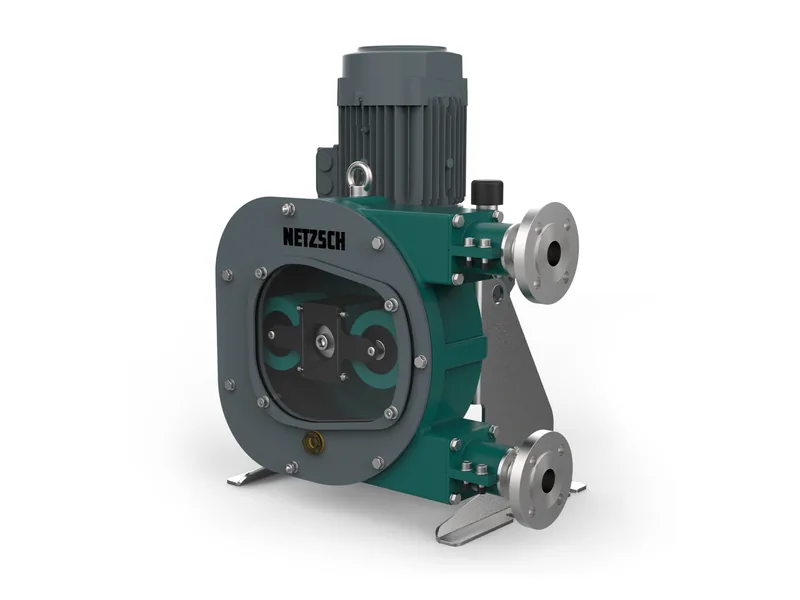
Figure 1: NETZSCH PERIPRO industrial hose pump. Image source: NETZSCH official website
- Sterilize or sterile-filter the feed before it enters the feed vessel.
- Make the line and pump head steam sterilizable together, or use replaceable pre-sterilized tubing sets.
- Fit an aseptic connection and isolation valve at the vessel inlet, and close it when feeding stops so broth cannot flow back.
- Keep lines short, sloped to drain, with no dead ends.
Lines and pump heads are very hot during steam sterilization. Confirm valve positions, wear heat-resistant gloves and never open anything under pressure.
Verifying the feed: weight and flow feedback
The most reliable check on what a fermentation feed pump actually added is weight. Put the feed vessel on load cells and watch the loss in weight. Many bioreactor control systems use the loss-in-weight rate to adjust pump speed in closed loop, treating the pump set point only as a starting point.
Without load cells, use a flow meter or calibrate regularly with a graduated cylinder. Peristaltic tubing deforms with use, so flow slowly drops at the same speed. Systems that infer feed volume from pump speed need more frequent calibration.
Common mistakes with fermentation feed pump sizing
- Large pump on a small vessel. Running at very low speed or stroke makes metering worse. Size for the actual feed rate.
- Sugar crystallizing. Concentrated sugar left in the line cools and crystallizes, blocking it at the next start. Flush after feeding stops.
- Shared feed lines. Give acid, base, sugar and antifoam their own pumps and vessel inlets.
- Control priority. When pH control and sugar feed act at the same time, define the order in the control logic.
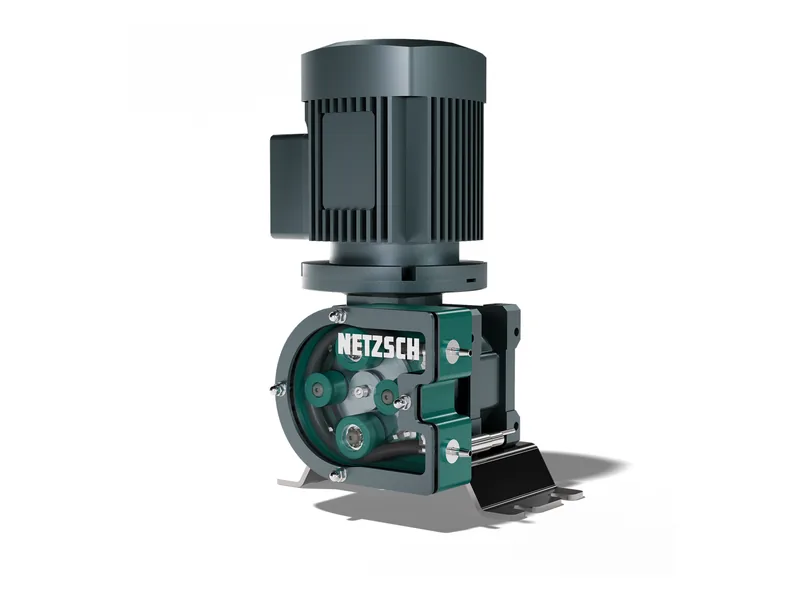
The NETZSCH PERIPRO range of peristaltic pumps includes tube pump and hose pump versions in which the liquid contacts only the tube or hose. See peristaltic pumps and the PERIPRO tube pump.
Conclusion
Pick a fermentation feed pump by feed type. Nutrient feeds need stable flow and speed control, a bioreactor pH control pump needs fast response and corrosion resistance, and antifoam needs small doses with interval limits. Choose peristaltic pumps for low vessel pressure and frequent feed changes, and sanitary diaphragm metering pumps for higher pressure and long lines. Either way, design in sterility and backflow protection from the start, and verify actual feed by weight or flow feedback. Send us vessel volume, vessel pressure, feed types and sterilization method, and contact our engineers to configure your fermentation feed pump.
FAQ
Is a peristaltic pump accurate enough for fermenter feeds?
With new tubing, usually yes. Tubing wear changes flow, so calibrate regularly or close the loop with load cells.
Can a fermentation feed pump be steam sterilized?
It depends on the head. Some sanitary diaphragm heads are designed for steam sterilization. With peristaltic pumps, the tubing set is sterilized, not the pump.
Can acid, base and sugar share one pump?
Not recommended. Flow, control signal and material needs differ, and sharing risks cross-contamination. Use one fermentation feed pump per feed.
Why do we keep overdosing antifoam?
Check whether the foam electrode is fouled and giving false alarms, then cap dose size and set a minimum interval so the pump cannot run continuously during an alarm.
Why does broth flow back into the feed line?
When vessel pressure exceeds feed line pressure and the valve is left open after feeding, broth can back up. Fit isolation and check valves at the inlet and close them when feeding stops.