
Antifoam Dosing Pump Guide: Aeration Basins and Fermenters
An antifoam dosing pump should deliver small shots on demand, aimed where the foam collects. A foam probe or level signal triggers the pump, it runs briefly, the foam collapses and the pump stops; it should not run continuously, pouring chemical in all day. Aeration basins and fermenters both foam, but the cause, the acceptable dose and the feed line design are very different, and the pump has to suit a chemical that is used in small amounts, is often viscous and tends to separate. This guide is for process and maintenance staff in wastewater plants and fermentation facilities.
Aeration basin foam vs fermenter foam
Foam in an aeration basin has several sources. During start-up, with low biomass, detergents and surfactants in the influent whip into white foam. Brown, sticky foam that is hard to break during normal operation is often linked to excessive filamentous growth. In that second case defoamer only treats the symptom; the fix is in the process. Most plants start with spray water and use chemical as a supplement. Too much antifoam forms a film at the air-water interface and cuts oxygen transfer, so compare DO and blower output before and after dosing; our article on aeration basin DO control explains the loop.
Fermenter foam comes mainly from proteins in the medium and from metabolites. More aeration and agitation means more foam, and in bad cases it reaches the exhaust line, bringing contamination risk and product loss. Here antifoam is part of the process, but overdosing lowers oxygen transfer and makes downstream recovery and filtration harder. Fermenters need precise, small, traceable additions, which is why the antifoam dosing pump is usually tied into the fermenter control system rather than left on a local timer.
What makes antifoam hard to pump
Common products are silicone emulsions and polyether types. A silicone emulsion is silicone oil dispersed in water. Left standing it separates, thin on top and thick at the bottom, and freezing or high shear can break it, leaving oily droplets that block strainers and check valves. Polyethers are usually homogeneous but thicken noticeably in the cold.
Practical habits that help any antifoam dosing pump:
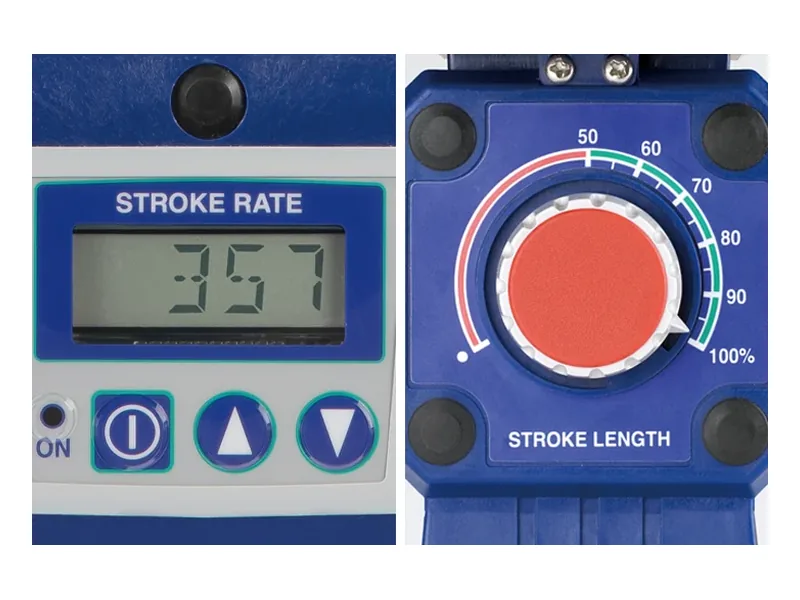
Figure 1: IWAKI EHN-R digital controller. Image source: IWAKI official website
- Invert or gently stir the drum before use; do not attack it with a high-speed mixer.
- Make up diluted emulsion fresh. Diluted product separates faster.
- Keep drums indoors in winter. Cold, thick product is the most common reason a pump will not prime.
Controlling the antifoam dosing pump with a foam probe
Probe plus timed shots
Fermenters usually carry a foam electrode in the head space. When foam touches it, the control system runs the antifoam dosing pump for a short, set time, waits, and checks again, repeating only if foam is still present. The dose tracks real foam, and every shot is logged. In aeration basins a foam probe or a simple timer works, with more frequent shots during high-load periods.
What to avoid
Running the pump continuously at low rate, or relying on an operator with a bucket. The first almost always overdoses; the second reacts only after foam has overflowed, and nobody knows how much went in. Shot dosing also leaves a useful record: when foam suddenly gets worse, the antifoam dosing pump log shows whether the plant load changed or the chemical stopped working.
Where the antifoam dosing pump should inject
In an aeration basin, apply the chemical above the area where foam builds up most, or meter it into the spray water header so the spray spreads it. That works far better than dripping it onto one spot. On a fermenter, feed through a dedicated addition port in the vessel head, with a feed line that can be sterilized and protected against backflow. On fermenters, sterilization and backflow protection cause more trouble than pump accuracy.
Selecting an antifoam dosing pump
Doses are small and the product is often viscous, so keep these points in mind:
- Do not oversize. The antifoam dosing pump should still give a repeatable shot volume at the low end.
- For viscous product, slow the stroke rate, enlarge the suction line and keep the drum level above the pump head (flooded suction). Most failures to prime come down to these, as explained in PAM dosing pump not pumping.
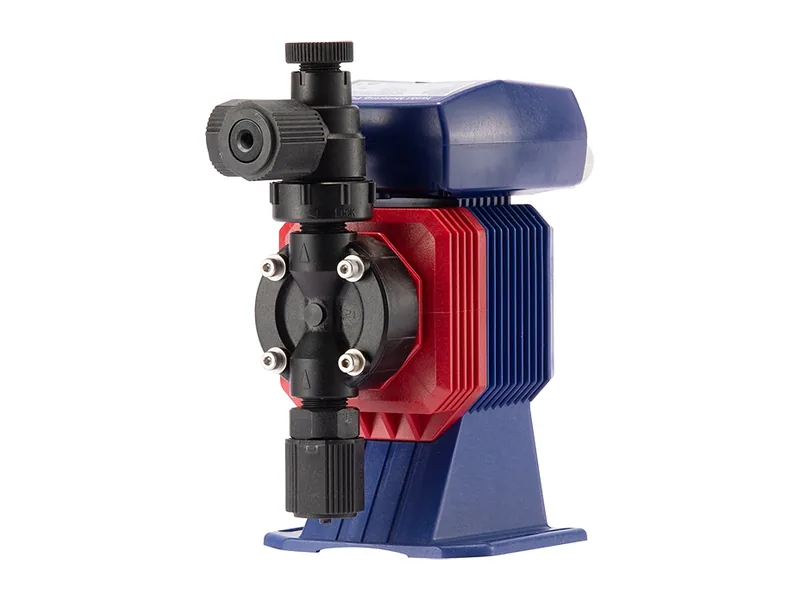
- Emulsions dislike shear and often carry gas. For thicker product a peristaltic pump suits well; for thin product at very low flow, a solenoid pump is enough. The IWAKI EHN-R solenoid metering pump has a digital controller that sets stroke rate in single-stroke steps from one stroke per minute, combined with stroke length adjustment, so you can slow it down for viscous antifoam, and many versions have an air vent knob on the head to release trapped gas.
- With a diaphragm pump, choose spring-loaded valves so balls reseat reliably in thick fluids.
If the product is too thick for a diaphragm pump, see high viscosity metering pump selection. For compact models, browse our small metering pumps.
Conclusion
Start by identifying the foam. Aeration basin foam needs process attention and spray water; fermenter foam needs precise, small additions. Trigger the antifoam dosing pump from a foam probe, place the injection where foam gathers, protect emulsions from separation and frost, and choose a low-flow pump that handles viscous fluid, such as a peristaltic pump or a diaphragm pump with spring-loaded valves. Send us the antifoam type, viscosity, shot volume and control signal, and contact our engineers for a recommendation.
FAQ
Is more antifoam always better?
No. Excess antifoam reduces oxygen transfer in aeration basins and complicates recovery in fermenters. Use the smallest dose that holds the foam down.
Is spray water enough for aeration basin foam?
Ordinary white foam is usually controlled by sprays. Thick brown foam is not, and needs a process fix, with antifoam as a stopgap.
Can one antifoam dosing pump also feed another chemical?
Better not. Mixed chemicals in the head and line can break the emulsion or precipitate, and you lose separate dose records. Dedicate the pump.
Can I still use a silicone emulsion that has separated?
Slight separation usually remixes. A visible oil layer that will not blend means the emulsion has broken; replace it or expect blocked valves.
Will a solenoid pump work as an antifoam dosing pump?
For low viscosity and small flow, yes, with spring-loaded valves and a larger suction line. For thicker or gassy emulsions, a peristaltic pump is easier to live with.