
Magnetic Flow Meter Installation: Straight Run, Full Pipe, Grounding
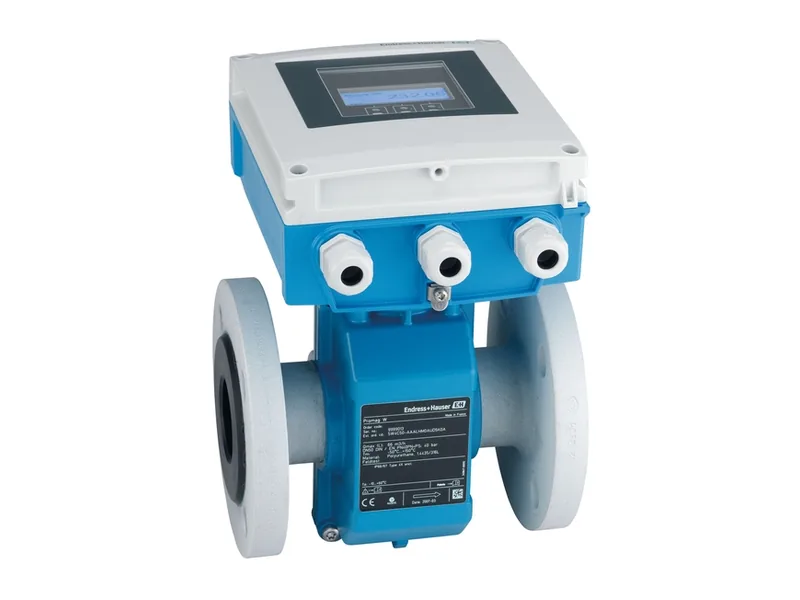
Good magnetic flow meter installation comes down to four things: enough straight pipe before and after the meter, a location where the pipe stays full, grounding matched to the pipe material, and room for a bypass and maintenance. This article covers main-line mag meters that send a flow signal to a flow-paced chemical dosing system, and it is written for designers, installation contractors and the instrument techs who commission them. Small-bore mag meters on the chemical line itself are a different job, covered in magnetic flow meter for chemical dosing.
Why a poor mag meter install throws off dosing
Flow-paced dosing is simple: more water, faster pump. If the flow signal reads high, the plant overdoses. If it jumps around, the pump speeds up and slows down with it. Plenty of sites chase pumps and valves for weeks before realizing the problem was the magnetic flow meter installation and the signal could not be trusted from day one. How flow pacing compares with closed-loop control is explained in dosing control methods.
Mag meter straight run requirements
Magnetic flow meter installation starts with flow profile, because a mag meter is sensitive to it. Downstream of elbows, valves and pump discharges, the flow is skewed or swirling, and that shows up as error.
A common guideline is about 5 pipe diameters upstream and 2 downstream, but the datasheet of the specific model has the final word. Allow more when:
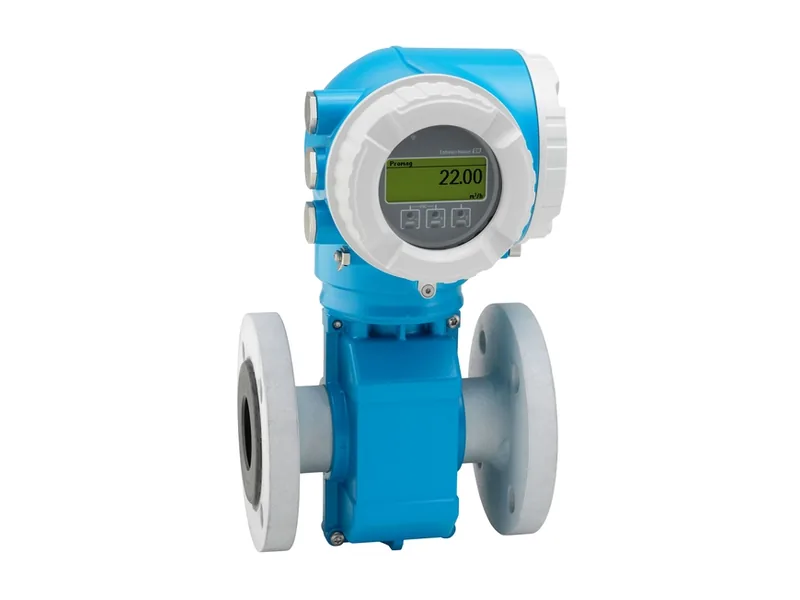
Figure 1: Endress+Hauser Proline Promag W 300. Image source: Endress+Hauser official website
- Two elbows in different planes sit just upstream, which sets up swirl.
- A centrifugal pump discharges directly upstream.
- A partly open control valve or butterfly valve is upstream.
In any magnetic flow meter installation, put control valves downstream of the meter, not upstream. Drawings get this backward surprisingly often. Some models are rated for reduced or even zero straight run when mounted exactly as specified. Confirm that at selection rather than assuming a standard meter behaves the same way.
Full pipe mag meter: where to mount it
A mag meter only measures correctly when the pipe is full. Air in the line or an electrode out of the liquid causes jumping or high readings. In magnetic flow meter installation, keeping the pipe full is the requirement most often missed.
Choosing the location
- Stay away from the high point. Air collects there.
- Avoid vertical downward runs. They tend to drain, especially with a free discharge.
- Prefer vertical upward flow. Bubbles and solids are swept through.
- On horizontal pipe, pick a low section. Where the line discharges freely into a basin, add an upturn after the meter so it stays flooded.
Electrode orientation
For magnetic flow meter installation on horizontal pipe, keep the electrode axis horizontal. An electrode at the top meets bubbles; one at the bottom collects sediment. Many meters have empty pipe detection. Turn it on during commissioning; it is more reliable than someone looking at the pipe.
Grounding by pipe material
A mag meter measures a very small induced voltage, so an unstable fluid potential usually shows up as drift. Grounding is part of magnetic flow meter installation, not an afterthought.
On metal pipe, bonding both meter flanges and the pipe to a common ground point is generally enough. Plastic, rubber-lined or internally coated pipe insulates the fluid from the pipe wall, so you need grounding rings or a meter with a grounding electrode to bring the fluid to the meter's potential. Pick a ring material compatible with the fluid; plain carbon steel is a poor choice in corrosive wastewater.
Cathodically protected pipelines are a special case. The meter has to be electrically isolated and grounded as the manual describes, not simply bonded across. Isolate power before wiring or grounding work, and ground cable shields at one end as specified.
Bypass, maintenance and support
A main-line meter cannot simply be pulled when it needs service; that may stop a whole treatment train. Plan maintenance into the magnetic flow meter installation from the start:
- Fit isolation valves on both sides and a valved bypass, so the meter can be removed while water flows through the bypass.
- Decide in advance how dosing runs while on bypass, since flow pacing loses its signal.
- Support the pipe on both sides of large meters. Do not let the flanges carry the meter's weight, and keep pipe vibration off the body.
- Before removal, close valves, relieve pressure and isolate power. Confirm zero pressure before loosening flange bolts.
When a large line runs at low velocity, a reduced meter size can raise velocity. Keep the reducer and expander transitions gradual, or they disturb the profile again.
Checking the signal after magnetic flow meter installation
- At zero flow, confirm the reading returns to zero and set a low-flow cutoff so the pump does not trickle chemical with no water moving.
- Match the range in the transmitter, PLC and pump controller so both ends of the 4–20 mA scale agree.
- Where possible, cross-check with a clamp-on ultrasonic meter or a tank level change.
How the dosing pump receives the flow signal is covered in metering pump 4-20mA vs pulse control.
The Endress+Hauser Promag W family is designed for water and wastewater and covers a wide range of line sizes, which suits main-line measurement. Follow its manual for installation dimensions and straight run.
Conclusion
Magnetic flow meter installation boils down to four rules. Give the meter enough straight run and keep control valves downstream. Mount it where the pipe stays full, away from high points and downward runs. Ground it to suit the pipe, with grounding rings on plastic and lined pipe. Leave a bypass, isolation valves and proper support. Then check zero, range and low-flow cutoff so flow-paced dosing gets a signal it can trust. Main-line mag meters are listed under flow meters. Send pipe size, material, flow range and the proposed location, and contact our engineers to review the installation.
FAQ
What if the magnetic flow meter installation has too little straight run?
First see whether the meter can move or the control valve can go downstream. If space is really that tight, choose a model rated for reduced straight run or add a flow conditioner, and accept some loss of accuracy.
Can a mag meter be installed vertically?
Yes. Vertical upward flow is one of the preferred positions, because the pipe stays full and air clears easily. Avoid vertical downward flow.
After magnetic flow meter installation the reading keeps jumping. Is the meter faulty?
Usually not. Check for a full pipe and bubbles, then grounding and cable shielding, and only then suspect the meter.
Do plastic pipes need grounding rings?
In most cases, yes. Plastic does not conduct, so without rings or a grounding electrode the fluid potential floats and the reading drifts.
How do we dose while the meter is on bypass?
Plan it beforehand. A common approach is manual constant-rate dosing based on typical flow, or switching to another flow signal until the meter is back.