
Dissolved Oxygen Sensor Selection: Optical vs Membrane
Dissolved oxygen sensor selection is mainly a choice between optical, or fluorescence, sensors and membrane sensors. Membrane types include polarographic and galvanic cells: oxygen passes a membrane and reacts at an electrode. Optical sensors use fluorescence quenching and usually do not need electrolyte changes, so maintenance intervals are longer. Response, duty and workload differ, and the wrong choice means a daily wipe in an aeration basin or a cooling tower. This article is for instrument staff at wastewater and cooling-water plants, and it does not discuss prices. General probe care is in online analyzer calibration and electrode maintenance.
Dissolved oxygen sensor selection starts with the two principles
The two routes can be remembered like this:
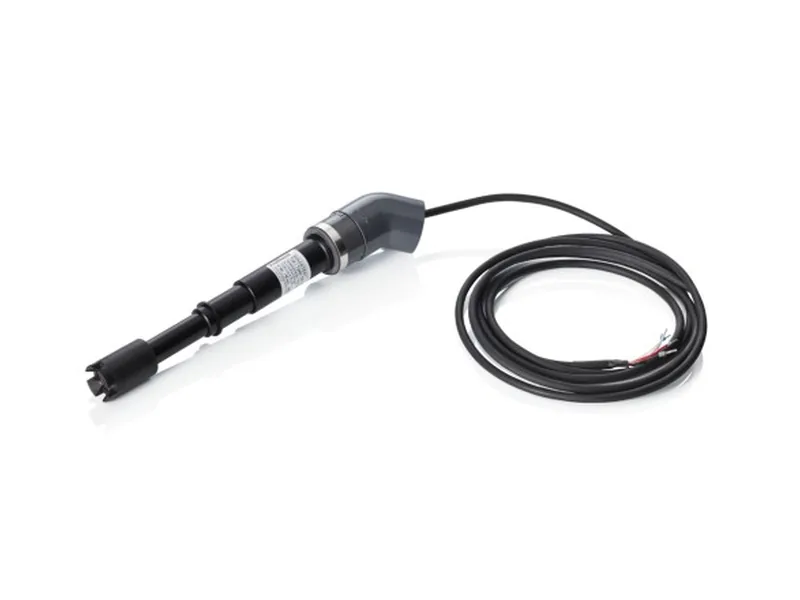
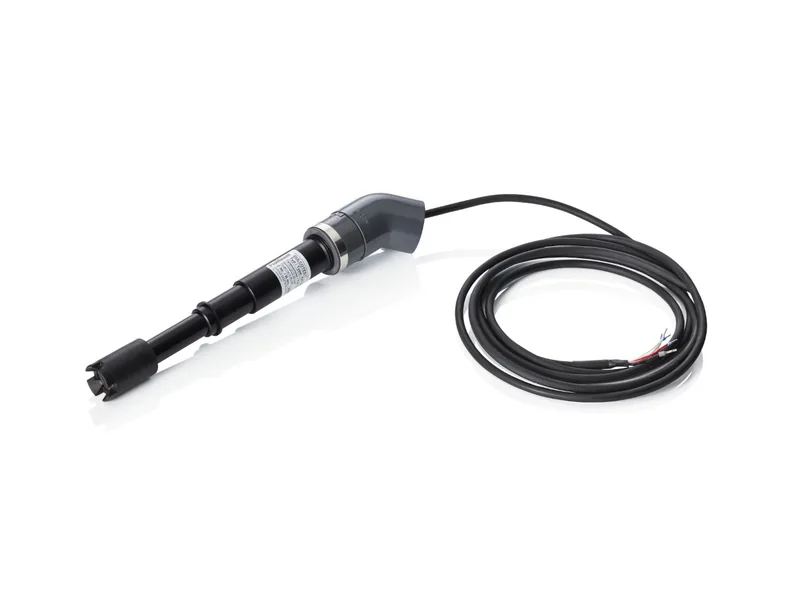
Figure 1: ProMinent dissolved oxygen sensor. Image source: ProMinent official website
- Membrane sensors (polarographic or galvanic): oxygen crosses a membrane and reacts at an electrode; they usually need flow, and the membrane and electrolyte need scheduled service.
- Optical sensors: they use fluorescence quenching, care less about velocity, and day-to-day work is mainly cleaning and replacing the cap at end of life.
- In both cases the mounting point must be representative, and cleaning and the signal type should be specified with the probe.
A membrane probe consumes oxygen behind the membrane, so the sample needs some flow or stirring, or the film next to the membrane goes lean and the reading runs low. Membranes foul and age, electrolyte must be changed on schedule, and maintenance is heavier, though response can be quick. Polarographic cells need a polarization time; galvanic cells are more nearly ready to use. Follow the manual for the exact behavior.
An optical dissolved oxygen sensor does not consume oxygen in the same way, so it is less fussy about velocity and suits sludge-heavy basins where staff are thin. The fluorescent cap ages and must be replaced at the end of its life, but day-to-day electrolyte work goes away. Some duties see a slightly slower response; the control loop has to accept that. In dissolved oxygen sensor selection, "who will maintain it, and how soon can they get to the basin" often matters more than the name of the principle.
When the same plant already has online pH, ORP or chlorine loops, mounting and signal practice in online pH and chlorine analyzers controlling a metering pump and ORP dosing control still apply: the dissolved oxygen sensor must see a representative volume, not a dead corner.
Duty, mounting and cleaning
Aeration basins and aerobic zones often favor optical sensors, because sludge blinds a membrane quickly. Cleaner cooling water, or a loop that needs a faster response, still uses membrane cells widely. High temperature, solvents or unusual media have to be checked with the manufacturer for the membrane or the cap. Do not copy a clean-water choice into a harsh stream.
Mounting decides whether dissolved oxygen sensor selection was worth doing. Place the probe where the water is representative, away from a blast of coarse bubbles and away from a wall pocket, at the immersion depth in the manual. A flow cell must stay flooded and largely free of air. Cleaning can be by hand, by air blast or with a cleaning accessory; on dirty water, specify the cleaning with the sensor, rather than inventing it after startup.
ProMinent lists dissolved oxygen sensors as their own line on the official dissolved-oxygen pages. On any brand, fix cable length, a dry junction box and the signal type at the same time, so a well-chosen dissolved oxygen sensor is not defeated by the wrong input card.
When you pull a probe from wastewater or sludge, watch your footing and keep sludge off your face and off the electrics. On a pressurized flow cell, isolate and depressurize before you open it.
Some plants want one probe for both aeration control and a discharge check. Those two points rarely represent the same water. In dissolved oxygen sensor selection it is better to use two sensors, or at least to prove that the chosen point really stands for the water you intend to control or to report. Write the purpose into the specification so nobody later moves a compliance probe into a corner.
In winter, colder water holds more oxygen and the reading will change. That is the water, not automatically a reason to change principle. Sludge behavior and fouling rates change too, so the cleaning plan should follow the season.
When the signal enters the control system, confirm whether it is 4-20 mA or a fieldbus, and that the range and units match the graphic. Dissolved oxygen sensor selection that names only the probe, and forgets the transmitter or isolator, often arrives with the wrong input card. Outdoor or hazardous-area duty should also state the enclosure rating in the specification.
Do not set a calibration interval tighter than the plant can actually keep, or the procedure becomes fiction. Optical sensors can often go longer between field checks, but the cap life and the window still need a look. Membrane sensors need membrane and electrolyte changes on a plan, not after the reading is obviously wrong. Tell the operating group about that workload during dissolved oxygen sensor selection, rather than hearing "this probe is too delicate" after it is in the basin.
During commissioning, compare a portable meter next to the installed dissolved oxygen sensor several times, and confirm the point is not in a backwater or in a coarse-bubble jet. A bad location will defeat either principle. Dissolved oxygen sensor selection includes "is this point valid," not only the model number on the purchase order.
Conclusion
Dissolved oxygen sensor selection is mostly about maintenance and duty: optical sensors save labor in dirty basins; membrane sensors remain common where a faster response or cleaner water is the case. Decide mounting and cleaning with the probe. See the controllers and analyzers page and the ProMinent page. Send us the measuring point, the water and the maintenance constraint, and contact our engineers to choose between optical and membrane.
FAQ
Does an optical dissolved oxygen sensor need no maintenance at all?
No. The cap ages and the window still needs cleaning. You usually avoid frequent membrane and electrolyte changes, that is all.
Is a membrane sensor always faster than an optical one?
Often the membrane response is quicker, but use the manufacturer's data and a site trial. Dissolved oxygen sensor selection should state how much lag the loop can accept.
The probe is covered in bubbles. What happens to the reading?
Bubbles interfere with both optics and mass transfer, and the reading can run high or jump. Mount away from coarse-bubble plumes, and add a guard or a deflector if needed.
Can a lab DO meter be used to calibrate the online sensor?
It can be used as a check if the grab is measured quickly, before the sample changes. Formal calibration still follows the manual and the specified standards.
Can cooling water and an aeration basin share one model?
Sometimes. Temperature and fouling can also make that a poor idea. Repeat dissolved oxygen sensor selection for each water and each mounting, rather than assuming one model fits both.