
Dosing Pump Mixer Interlock: Level, Run Signals and Alarm Logic
A dosing pump mixer interlock makes tank level, mixer and metering pump start and stop in the right order. The mixer runs only when the impeller is covered, the pump draws only from a properly mixed batch, and low-low level stops both. Get it wrong and you see uneven dosing at best, a bent mixer shaft or a pump running dry at worst. This article covers the control logic only, not how to size the mixer.
Why a dosing pump mixer interlock matters
Start with the mixer. A top-entry mixer usually has a long shaft, and the liquid damps the impeller. If the level falls near the impeller while it keeps turning, the shaft whips, the seal and gearbox take a beating, and on some sites the shaft ends up bent.
Then the pump. Polymer and PAC powders need time to dissolve. If the pump starts drawing before the batch has aged, it sends out weak solution or undissolved lumps that foul check valves. When the tank runs empty, a diaphragm pump loses prime and stops metering accurately, and a packed plunger pump suffers even more from dry running.
So a dosing pump mixer interlock has to control two things at once: level and time.
Batch tank and day tank need different logic
Many systems use two tanks. The upper batch tank makes up solution, which drops into a day tank, and the pump draws from the day tank. The interlock logic is different for each.
Batch tank runs in steps:
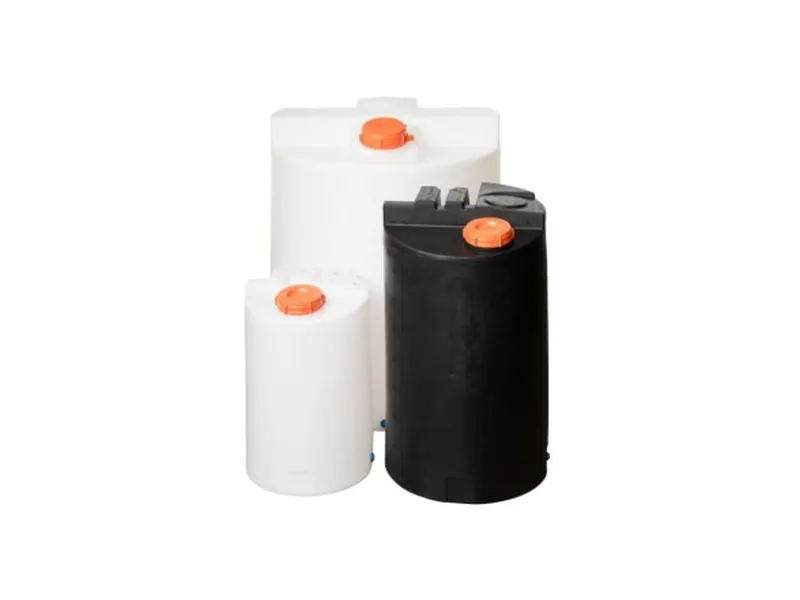
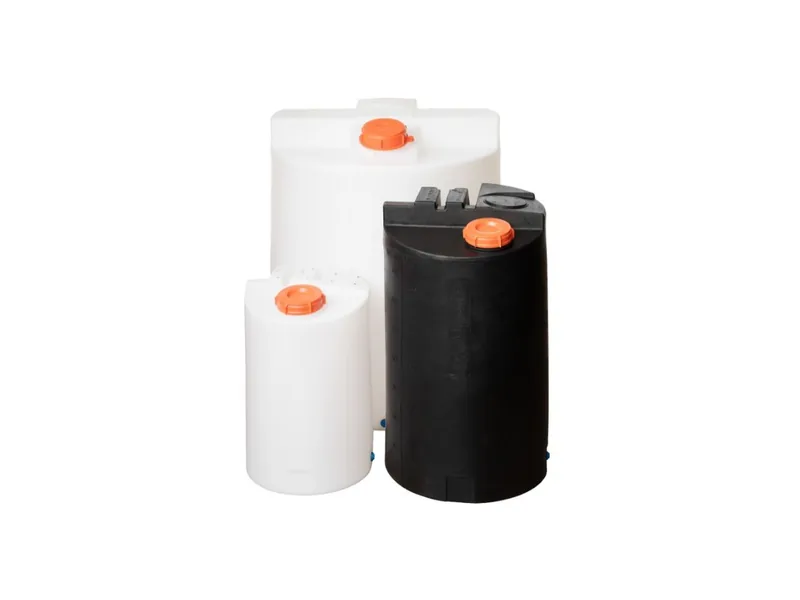
Figure 1: ProMinent PE tank range for chemical feed. Image source: ProMinent official website
- Fill water to mixing level, then the mixer is permitted to start.
- Add chemical with the mixer running and start an aging timer.
- When aging is complete, allow the transfer valve to open.
- At low level, stop the mixer and close the valve.
Day tank supplies continuously. Its mixer usually only needs to run intermittently to prevent settling. Here the dosing pump mixer interlock is mostly about level: low level raises an alarm for a new batch, and low-low level stops both pump and mixer.
Setting the level switch points
Typically there are four points: high, refill, low and low-low. High level stops the fill water. Low level is alarm only. Low-low trips the equipment.
The mixer trip level should sit above the top of the impeller, generally by about one impeller diameter, but follow the mixer maker's figure. The pump trip level must be above the suction or foot valve with enough depth to avoid vortexing. Take the higher of the two as your low-low point and the dosing pump mixer interlock stays simple.
Float switches are cheap but tend to stick in viscous polymer. Ultrasonic or radar transmitters give a continuous 4-20 mA signal, so the PLC can hold several setpoints. For alarm details see how to set up a dosing pump low level alarm, and compare devices on our level switch page.
Where to take the run signal
Many panels use a contactor auxiliary contact as "mixer running". The catch is that a closed contactor does not prove the motor turns. If the overload trips or a phase drops, the contactor may still be pulled in.
A safer dosing pump mixer interlock wires the overload NC contact in series with the contactor auxiliary, or uses a current transmitter on the motor. Metering pump controls usually provide run and fault dry contacts too, and both should go to the PLC. See our dosing skid wiring diagram for typical terminal layouts.
Field details that cause trouble
- Power restart: do not let pump and mixer restart together. Start the mixer first, then the pump after a delay, so the pump does not pull settled sludge.
- Maintenance mode: technicians often jumper the interlock to jog equipment. Build a timed maintenance mode in the PLC that resets itself instead of trusting someone to remove a jumper.
- Alarm levels: low level alarms only, giving operators time to make a batch. Low-low trips with a horn and beacon and reports to SCADA.
- Polymer handling: PAM aging times are usually longer, and hard mixing shears the chains, so day tank mixers for polymer should run slowly and intermittently.
PLC or hardwired dosing pump mixer interlock?
A small skid with one tank and one pump can use relays. That is cheap and easy to troubleshoot. Two-tank systems with automatic batching and duty or standby pumps are better on a PLC, since aging timers, start delays and alarm logs are much easier there.
Either way, keep the low-low pump trip of the dosing pump mixer interlock hardwired as well, so protection survives a PLC fault. Taking ProMinent PE dosing tanks as an example, the level switch, mixer and pump connections are standard, and the interlock logic just goes into the control panel. More product information is on the ProMinent brand page.
Conclusion
A dosing pump mixer interlock uses level and time to order three devices: mix only when covered, transfer only after aging, stop everything at low-low. Take run feedback from the real motor state, and write power restart and maintenance behaviour into the logic from day one. Send us your tank size, chemical and current control setup, and contact us for an interlock table.
FAQ
Does a dosing pump mixer interlock need a PLC?
Not always. A basic dosing pump mixer interlock for a single tank with one pump works fine on relays. Multiple tanks, pump changeover and aging timers are easier on a PLC.
Should the day tank mixer run all the time?
Usually not, and the dosing pump mixer interlock does not require it. Most solutions only need intermittent mixing to stop settling, and continuous mixing wastes power and can damage polymer.
How far apart should low and low-low level be?
It depends on how long a new batch takes. Work back from the pump output so the gap gives operators enough time to refill.
Should the pump stop when the mixer fails?
In the day tank, generally alarm first and keep dosing. In the batch tank during aging, a mixer fault should block the transfer valve.
The interlock works but the pump still draws air. Why?
Typically the dosing pump mixer interlock is fine but the low-low point is too low or a vortex forms at the suction. Raising the trip level a little usually solves it.