
Chemical Injection Point Design: How to Tie a Dosing Line In
A chemical injection point is where the dosing pump discharge line finally meets the process pipe, and it decides whether the chemical mixes cleanly or sits at the pipe wall eating the steel. A good tie-in carries the chemical straight into the flow, never lets water back up the dosing line, and can be serviced by closing one valve. A poor chemical injection point scales up within months and forces a full shutdown just to change a check valve. This guide covers the connection itself; whether you need an injection valve at all is a separate question.
Three Ways to Make the Connection
The right fitting depends on the main pipe material and whether the line can be drained.
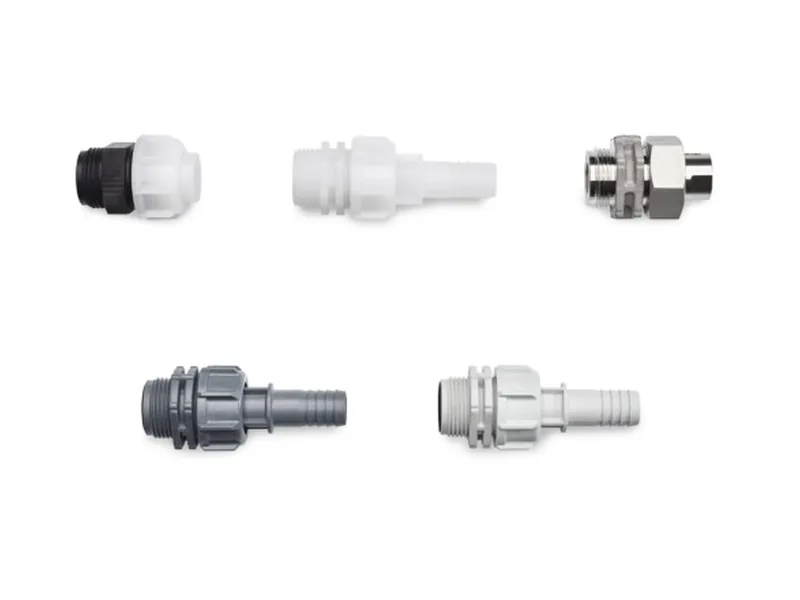
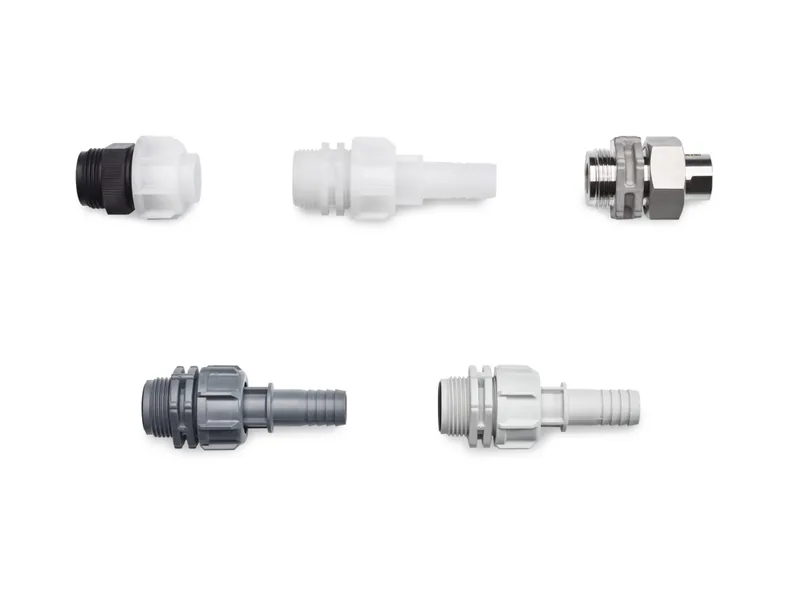
Figure 1: ProMinent low-pressure pump injection valves. Image source: ProMinent official website
- Tee. The simplest option on PVC or PP pipe. Cut in a tee, reduce down to the dosing line size and solvent-weld or thread it. The line has to be shut down.
- Saddle clamp. Used when the main pipe cannot be cut. The saddle clamps around the pipe and a hole is drilled through the wall. It suits plastic and steel pipe from about DN50 upward.
- Weld-o-let or threaded boss. Normal on carbon steel and stainless pipe. A female-threaded boss is welded on and the injection fitting screws into it.
If the main cannot be taken out of service, a hot tap is the usual answer. Fit the saddle and a full-bore ball valve, drill through the open valve with a hot-tapping machine, withdraw the cutter and close the valve. Use a crew that does this routinely.
Where to Put a Chemical Injection Point on the Pipe
On a horizontal main, put the chemical injection point on the side of the pipe, at roughly the 3 or 9 o'clock position.
- Not on top. Air collects at the crown, so the chemical lands in a gas pocket and the pump discharge pressure becomes unsteady.
- Not on the bottom. Silt and scale settle there and block the opening.
On a vertical main, choose a section with upward flow so the chemical never pools in a dead zone. Keep the chemical injection point clear of elbows, valves and pump discharges, where turbulence shakes fittings loose.
Quill Depth and Direction
On small pipe, a fitting flush with the inside wall is usually fine. From about DN100 upward, use an injection quill that carries the chemical to roughly one third of the pipe diameter. Mixing is faster, and concentrated chemical does not run along the wall where it corrodes metal or drops out as scale.
Point the quill outlet downstream, with the flow. An outlet facing upstream tends to blow chemical mist back onto the fitting.
Valve Order at the Chemical Injection Point
Working outward from the main, a sensible sequence is: pipe connection, isolation ball valve, injection valve (non-return valve), dosing line. With that order, the injection valve can be changed with the main still running.
ProMinent describes its injection valves as fittings that meter the flow into a line, stay securely sealed from the environment and prevent deposits and backflow. Whether you need one, and what type, is covered in do I need an injection valve. If the main pressure is very low or the line discharges to atmosphere, add a back-pressure valve as explained in what a back-pressure valve does.
Materials: Match the Chemical and the Pipe
A chemical injection point has to suit two things at once: the chemical, and the pipe it screws into.
Sodium hypochlorite and hydrochloric acid going into a carbon steel main attack the wall right around the tie-in first. Use a PVDF or PVC fitting and a quill that keeps the neat chemical off the steel. Sulphuric acid and caustic soda need the same care. On plastic pipe, do not overtighten metal fittings, and seal threads with PTFE tape.
Mixing Distance and Pressure
Leave mixing distance between the chemical injection point and any downstream pH or chlorine analyser. A typical rule is at least ten pipe diameters, or fit a static mixer in between, otherwise the sensor reads unmixed chemical.
For pressure, the maximum main pressure plus line losses must stay below the pump rated discharge pressure with some margin left. On boiler and cooling circuits, the choice between supply and return lines is discussed in dosing into supply or return.
Pressure Test Before Dosing
Do not start dosing as soon as the fitting is in. Cap the dosing line and pressure-test the chemical injection point with clean water, typically at about 1.5 times the main working pressure for ten minutes or more. Check the saddle seal, the threaded boss and both ends of the injection valve. Then reconnect the line, run the pump on water for a few minutes and watch for a steady discharge pressure before switching to chemical. The full procedure is in dosing pipeline pressure testing.
During the first week of dosing, glance at the chemical injection point every day for crystals, discolouration or weeping. Loose threads and wrong materials show up in those first days.
Conclusion
A dependable chemical injection point comes from a few simple choices: a tee, saddle or welded boss to suit the main, a side-mounted entry, a quill on larger pipes, the valve order connection, ball valve, injection valve, and materials that resist the chemical. Leave room for mixing before any analyser. Fittings are listed under dosing accessories and on our ProMinent page, or contact us for help.
FAQ
Can I inject chemical into a pump suction?
Generally no. The suction is under vacuum, so chemical goes straight into the pump and attacks the impeller and seal, and the dosing pump may siphon.
What should I do when the injection point scales up?
Close the isolation valve and remove the injection valve for cleaning. Repeated scaling usually means a bottom entry or strong chemical, so move it to the side and add a quill.
What extra protection does a potable water main need?
Backflow protection is the key point. Besides the injection valve, fit a backflow preventer as the local water authority requires.
How many injection points can one main carry?
Several, if they are spaced apart. Leave a few pipe diameters between different chemicals, and keep reactive pairs such as acid and hypochlorite well separated.
The hot tap saddle leaks. What now?
Close the tapping valve first. Most leaks come from the saddle gasket or uneven bolt torque, so tighten evenly, retest and replace the gasket if needed.