
Distillery Wastewater Treatment: pH, Alkalinity and Chemical Dosing
Distillery wastewater is strong, acidic and seasonal, while brewery effluent is high in volume and hit by caustic slugs from bottle washers and CIP. Both streams are highly biodegradable, and most plants treat them with equalization, an anaerobic reactor and an aerobic polishing stage. The chemical program exists mainly to protect the anaerobic reactor: correct the pH, supply alkalinity, then add nutrients and coagulant downstream. This guide covers each dosing point and the pumps that suit it.
How distillery wastewater differs from brewery effluent
Distillery wastewater, especially stillage and spent wash from grain or molasses spirits, is concentrated. It carries organic acids, residual starch and alcohols, COD is very high and pH can sit around 4 or lower. Flows peak during the distilling season. Rinse water is cleaner but the blend usually stays acidic. Spent wash from molasses also carries dark color and high salts, which raise chemical demand in the polishing stage and make jar testing more important than any rule of thumb.
Brewery wastewater is weaker but far larger in volume. Brewhouse, fermentation, filtration, packaging and bottle washing all discharge, and caustic from washers and CIP can push pH up sharply for short periods. Winery effluent sits between the two, with strong seasonal peaks at harvest.
Dosing points in distillery wastewater treatment
Following the flow, the usual feed points are:
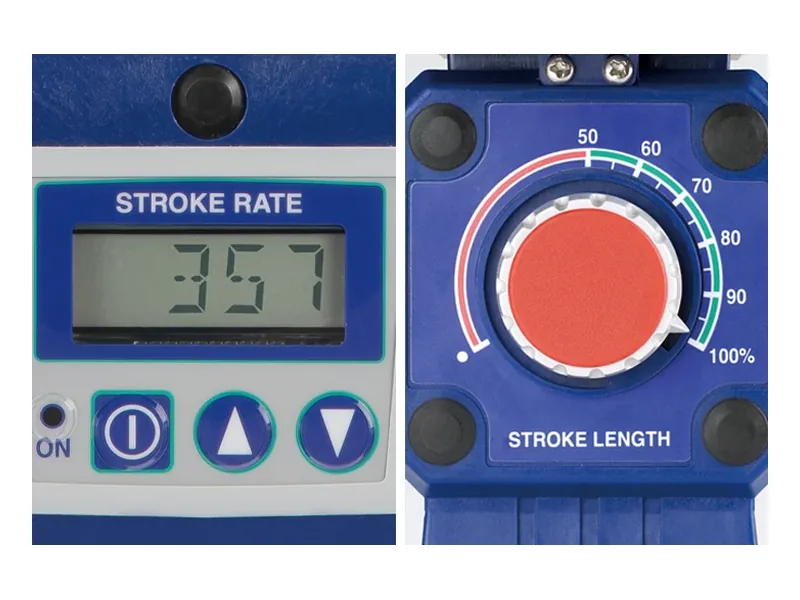
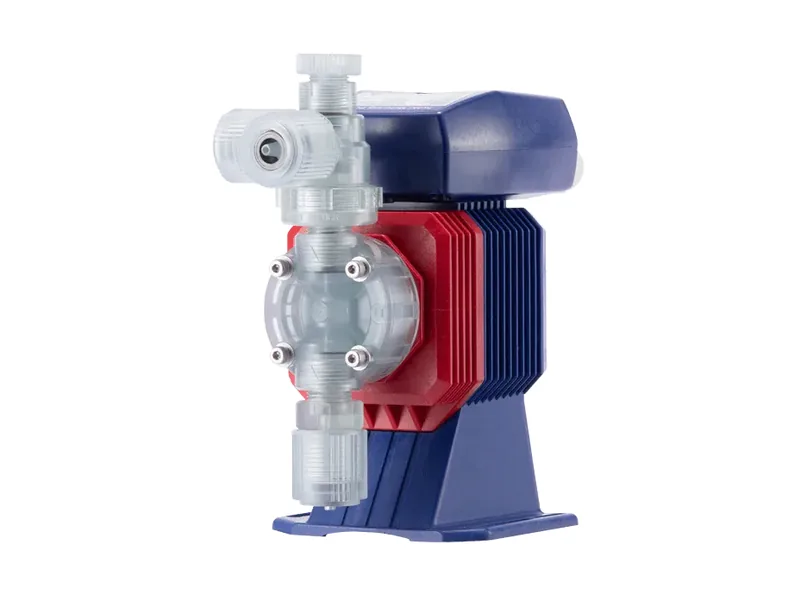
Figure 1: IWAKI EHN-R auto air vent metering pump. Image source: IWAKI official website
- Equalization tank: caustic to neutralize acidic distillery wastewater; brewery streams may need acid or may self-balance when blended.
- Anaerobic reactor feed: alkalinity, typically caustic soda, sodium bicarbonate or lime, to keep the reactor from souring.
- Aerobic stage: nitrogen and phosphorus nutrients, since these effluents are carbon-rich and nutrient-poor.
- After the secondary clarifier: PAC and polymer for solids and phosphorus polishing.
- Final effluent: disinfection where the permit requires it.
For setting up the equalization pump and its pH loop, see equalization tank metering pumps.
Alkalinity for the anaerobic reactor
Souring is the main risk. When organic acids arrive faster than methanogens can convert them, volatile fatty acids build up, pH falls, gas production drops and a badly soured reactor can take weeks to recover.
Three things matter when dosing alkalinity:
- Dose for alkalinity, not just pH. Caustic acts fast but can overshoot locally; sodium bicarbonate buffers more gently. Many plants treating distillery wastewater use both.
- Inject into the feed mixing zone or the recirculation line so the chemical disperses quickly.
- Track effluent pH and the ratio of volatile acids to alkalinity, not only feed pH.
Gas production is a useful early warning: a steady fall over a few days, before pH moves, often means acids are accumulating. The distilling season is the danger period. Raise alkalinity dosing ahead of the load increase rather than waiting for the reactor to sour.
Nutrients and polishing coagulant
Distillery wastewater has plenty of carbon but little nitrogen and phosphorus, so the aerobic stage needs urea and a phosphate source dosed in proportion to the COD load. Too much and the effluent fails its nutrient limits; too little and the sludge loses activity and may bulk. Most plants adjust weekly from lab results. Liquid nutrient blends are easier to meter than dissolved solids, and they reduce the risk of undissolved crystals reaching the pump.
The polishing step uses PAC and polymer in a clarifier or filter. Jar tests set the dose, and floc size, settling speed and supernatant clarity are the quickest field checks, as explained in how to judge PAC and PAM flocculation.
Pumps and materials
The chemicals in distillery wastewater treatment are caustic, sodium bicarbonate solution, nutrients, PAC and polymer. Solenoid metering pumps cover nutrients and small alkalinity doses; the IWAKI EHN series is one example, and the EHN-R variant with automatic air venting suits gassy solutions. Details are on our IWAKI EHN page. For high-volume alkalinity feed or continuous PAC, move up to a motor-driven diaphragm pump.
PVC or PVDF heads handle caustic and PAC. Keep sodium bicarbonate solution below saturation, because it drops out in cold weather and sticks check valves. You can compare small-flow models in the solenoid metering pump category, and production-side pumps are covered in brewery metering pump selection.
Common problems with distillery wastewater dosing
Operators most often report:
- Equalization pH stays low: the caustic pump is undersized for acidic distillery wastewater, or mixing at the injection point is poor.
- Anaerobic effluent turning acidic and gas falling: shock load or insufficient alkalinity. Cut the load first, then raise alkalinity.
- Floating sludge in the clarifier: nutrient-starved filamentous bulking or denitrification gas; use lab data to tell which.
- Blocked bicarbonate lines: solubility falls in winter; dilute the solution or heat the tank.
Caustic is highly corrosive. Stop the pump and relieve pressure before breaking lines, and wear goggles and gloves.
Conclusion
Protect the anaerobic reactor first. Neutralize in equalization, feed alkalinity based on alkalinity rather than pH alone, add nutrients from lab data, and polish with coagulant. Distillery wastewater mainly needs protection from souring; brewery effluent mainly needs protection from caustic slugs and flow swings. Choose solenoid or motor-driven pumps by flow and heads by chemical. Send your flow, COD, pH range and process layout through the contact page and we will review pumps for each distillery wastewater dosing point.
FAQ
Why does distillery wastewater need caustic up front?
It is strongly acidic. Sent to the anaerobic reactor without neutralization, it can sour the reactor and stop gas production.
Caustic or sodium bicarbonate for alkalinity?
Either works. Caustic is fast and cheap per unit of alkalinity; bicarbonate buffers better and is harder to overdose. Many plants use both.
Does brewery effluent need acid?
Sometimes. When washer and CIP caustic arrives in slugs, acid may be needed, but blending in equalization often balances it.
How much nutrient should go into the aerobic stage?
Set it from the COD load and lab results, and review it about weekly so excess nutrients do not end up in the effluent.
Is a solenoid pump enough for alkalinity dosing?
For small doses, yes. High continuous alkalinity feed is better served by a motor-driven diaphragm pump with a standby unit.