
Dairy Wastewater Treatment Chemicals: Dosing Points and Pumps
Dairy wastewater is hard on a treatment plant because it carries milk fat, protein and lactose, and because the CIP system dumps strong caustic and acid into the drain in batches. Getting the chemical dosing right means handling two linked jobs: keeping CIP solutions at strength on the production side, and smoothing out pH swings and fat loads before the biology sees them. This guide walks through each dosing point, the pumps that suit it, and the problems plant operators run into most often.
What makes dairy wastewater different
Most of the flow comes from rinsing tanks, pipelines, fillers and floors. The organic load is high, fats and oils are high, and the water turns sour quickly if it sits. Flow and strength also follow the production schedule. During filling shifts you get volume; during the evening CIP cycle you get slugs of hot caustic followed by acid.
Fat congeals on cold pipe walls and tank surfaces, and protein drops out when pH shifts. If the front end does not remove them, fat coats the biomass downstream, sludge floats in the clarifier and effluent quality drifts. That is why most dairy wastewater plants put their chemical effort up front.
Dosing points in a typical dairy wastewater plant
Following the water from the factory to the outfall, the usual dosing points are:
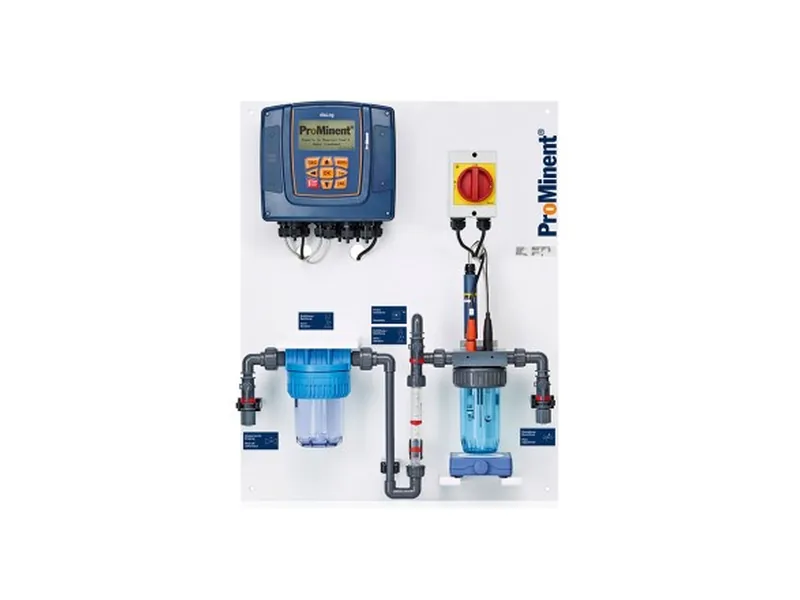
Figure 1: ProMinent DULCOTROL Waste Water control system. Image source: ProMinent official website
- CIP station: concentrated caustic and acid topped up on conductivity, sometimes a sanitizer as well.
- Equalization tank: neutralizing CIP discharges so the biology sees a stable pH, usually somewhere in the 6–9 range.
- Ahead of DAF: coagulant (PAC or an iron salt) plus polymer to break the fat emulsion and build floc.
- Biological stage: nutrients if nitrogen or phosphorus run short, and alkalinity if the process consumes it.
- Final effluent: phosphorus removal or disinfection, depending on the discharge permit.
The equalization tank pH loop works like any online pH control dosing system. The difference with dairy wastewater is that the shocks are concentrated in time, so tank volume matters as much as pump capacity.
CIP make-up dosing
On the production side, the goal is stable concentration. Caustic and acid solutions are recirculated and get diluted with every wash, so they are topped up automatically on a conductivity signal. Small solenoid metering pumps or motor-driven diaphragm pumps are the usual choice, wired to the conductivity meter through 4–20 mA or a relay contact.
The control approach is the same one used across food plants, covered in detail in our food and beverage CIP dosing control article. Two points deserve extra attention in a dairy. Hot concentrated caustic ages PVC pipe quickly, and spent CIP solution should be recovered where possible and released to drain in controlled batches rather than dumped all at once.
Coagulant and polymer ahead of DAF
The largest chemical consumer in dairy wastewater treatment is usually the coagulation step before dissolved air flotation. Milk fat sits in the water as a fine emulsion and will not float on its own. A coagulant breaks the emulsion, polymer builds the floc, and the DAF lifts it off. For details on matching PAC, polymer and the saturation system, see DAF chemical dosing.
A few field lessons:
- Give the coagulant enough mixing time in a pipe mixer or flash tank. Small floc carries over in the DAF effluent.
- Keep polymer make-down fairly dilute, typically around 0.1–0.3%. Thick solution is hard for a metering pump to draw and disperses poorly.
- Set doses with jar tests. Dairy wastewater changes with season and product mix, so another plant's numbers rarely transfer.
Choosing pumps and materials
The chemicals in dairy wastewater work are not exotic: caustic, nitric acid, PAC, polymer and nutrients. PVC or PVDF heads handle caustic and PAC; concentrated nitric acid is better served by PVDF or stainless steel heads; polymer needs a slow stroke rate and generous valve sizes. For a high, continuous caustic dose in the equalization tank, a motor-driven diaphragm pump is a sensible fit, and ProMinent offers motor-driven pumps as well as DULCOTROL panel systems aimed at wastewater. You can compare options on our ProMinent brand page and in the dosing skid category.
Temperature is the detail that gets missed most often. CIP discharge is often hot, and pipe and pump head ratings should be checked against the real maximum, not the average.
Common problems in dairy wastewater dosing
These come up again and again:
- Evening CIP discharges push equalization pH out of range and the pump cannot keep up even at full stroke. The fix is controlled release and adequate tank volume, not a bigger pump.
- Milky DAF effluent usually means too little coagulant or too short a mixing time.
- Blocked polymer lines usually trace back to poorly wetted powder forming lumps, or lines not flushed after the pump stops.
- Caustic feed lines can crystallize in winter; insulate them or lower the solution strength.
Before opening a pump head or breaking a caustic or acid line, stop the pump, relieve the pressure and wear eye and face protection.
Conclusion
Treat the CIP system and the wastewater plant as one system. Keep CIP strength stable and recover what you can, let the equalization tank and pH loop absorb the shocks, then use coagulation and DAF to strip fat and protein so the biology stays healthy. Pick pumps and heads by chemical and temperature, and set doses by jar test. Send us your flows, CIP discharge pattern and discharge limits through the contact page and we will review the dosing points and pump sizing for your dairy wastewater plant.
FAQ
Can spent CIP solution go straight to the wastewater plant?
It is better not to. Recover what you can and release the rest in controlled batches so the pH shock does not upset the biology.
Does dairy wastewater always need DAF?
Usually, yes. Fat and protein do not settle well, so coagulation plus DAF is the most common front end, although some plants use fat traps with coagulation and settling.
What pump suits caustic dosing in the equalization tank?
A solenoid metering pump for small flows, or a motor-driven diaphragm pump for larger continuous doses, controlled by the pH signal.
How much polymer does dairy wastewater need?
There is no fixed number. Jar test it and recheck when the season or product mix changes; make-down strength is typically around 0.1–0.3%.
What head material works for nitric acid make-up?
PVDF or stainless steel heads are the usual choice for concentrated nitric acid, and seals should be checked against concentration and temperature too.