
Cooling Tower Dosing: Basin or Return-Line Injection?
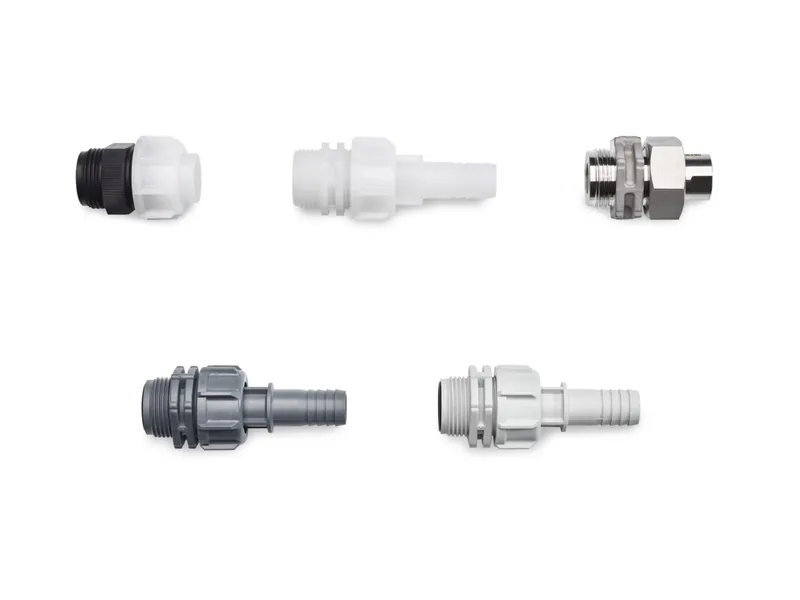
Cooling tower dosing does not have a single correct tap. The right place depends on the chemical, how well the basin mixes, and how close the injection point sits to the blowdown. Scale and corrosion inhibitors usually go into a well-mixed area of the basin, or just ahead of the circulating-pump suction, so the product reaches the condenser or plate exchanger quickly. Biocides and algaecides are more often injected into the return line, so they travel through the distribution deck and the fill before they drop back into the sump. Acid should never be dumped into a dead corner or onto a bare concrete floor. This article is for operators choosing a location, not calculating a dose.
Why these two points dominate cooling tower dosing
An open cooling tower loop is straightforward. The circulating pump draws from the basin, sends water through the heat exchanger, and the warm water returns to the top of the tower, falls through the fill, and lands back in the basin.
The basin and the return-to-tower line are the two cooling tower dosing locations people argue about most. That debate is not the same as choosing the supply line or the return side of the exchanger, which is covered in supply line or return side dosing. Here the comparison is narrower: the tower sump versus the pipe that feeds the tower inlet. For a reminder of what each chemical is for, see how cooling water treatment chemicals work. Keep the skid close to the injection point; long lines bring air and crystallization problems, as discussed in how far the dosing skid can sit from the injection point.
Cooling tower dosing in the basin: simple, until the sump fights you
Dropping an injection quill into the basin is the easiest cooling tower dosing job on a retrofit. You do not have to hot-tap a pressurized pipe, you can still add chemical when the circulating pumps are down, and isolation for service is simple. Inhibitors fed this way are pulled into the pump almost immediately and protect the exchanger first.
Most failures come from a careless location, not from “basin feed is wrong.” A quill left behind a baffle or under a beam sits in a dead zone: product piles up in the corner while the circulating water stays lean. If the injection point is close to the blowdown or overflow, fresh chemical leaves before it reaches the pump. If the quill points straight at the pump suction, a slug of acid or oxidizing biocide can hit the seal at a much higher local concentration than the bulk water.
Concrete basins are unforgiving with acid. A puddle of low pH on the floor will etch the slab and attack embedded steel. For acid, move the quill into a fast-mixing return line or a recirculating sidestream. Placement notes are in sulfuric acid dosing for cooling towers. Wear eye and chemical protection, and depressurize the line before you open it. Basin cooling tower dosing works when all three are true:
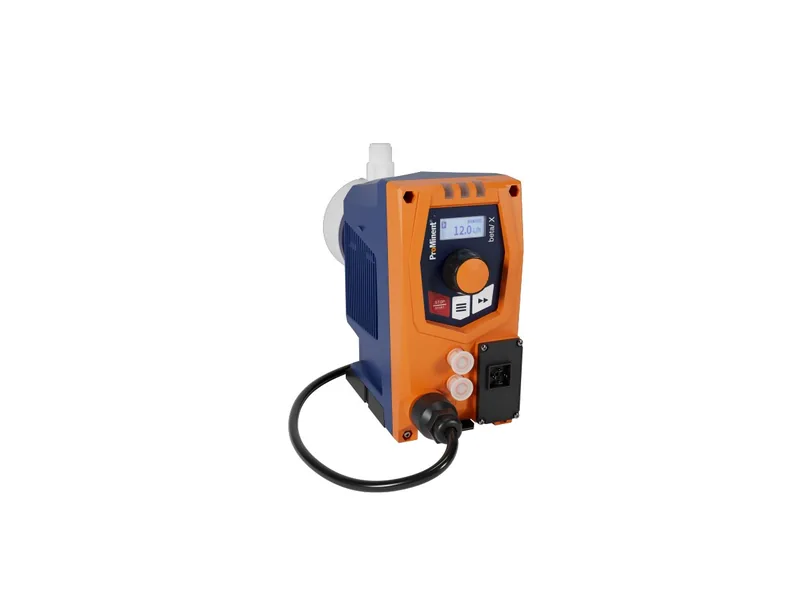
Figure 1: ProMinent Beta X solenoid metering pump. Image source: ProMinent official website
- The quill sits in the main flow path
- It is well away from the blowdown
- Strong acid or oxidizer is not aimed at the pump suction
Return-line cooling tower dosing: the fill sees the chemical first
The return line is the warm pipe that carries water back to the tower. Chemical injected there passes through the spray nozzles or troughs and across the fill before it reaches the basin and, later, the exchanger. Fill is where algae and biofilm grow most readily, so biocides and dispersants often belong on this line.
The trade-off is pressure. The metering pump has to discharge above the return-line pressure, and the point needs an injection quill and a check to stop circulating water from flowing back into the chemical line. A shallow stub in the pipe wall lets product hug the wall and mix poorly. A quill that reaches the pipe center mixes far better.
After return-line cooling tower dosing, the product has to finish the trip through the tower before it arrives at the exchanger. If condenser corrosion control is tight, do not rely on the return line alone for inhibitor. A ProMinent solenoid pump such as the gamma/X can monitor discharge pressure, which is useful on a live return line. Compare other models in the metering pump range, or see the ProMinent brand page.
How to split cooling tower dosing by chemical
You do not have to put every product through the same tap. Inhibitors should go into a well-mixed basin zone or a short branch on the pump suction, so they protect the exchanger quickly. If the basin is a maze of dead water, the circulating-pump discharge header is a reasonable alternative, provided the tap can be isolated.
Oxidizing biocides, non-oxidizing biocides and algaecides prefer the return line, where they meet the fill first. Do not fire a reducing agent or some inhibitor packages down the same pipe at the same time as an oxidizing biocide; the two can consume each other. Give each chemical its own tube and tap, or flush between them. Acid belongs only where a large flow will mix it at once, never poured onto a concrete basin floor. Many plants run two cooling tower dosing points on the same tower: inhibitor in the basin, biocide in the return.
Multi-cell towers, blowdown and sample taps
When several cells share one basin, put cooling tower dosing into the common flow path of that basin, or into each cell’s return header, so one cell does not take all of the product. If each cell has its own sump, give every cell a tap, or prove that the equalizing connections actually carry water. A shared civil basin with a wall between cells is not a mixed volume.
Blowdown changes the flow pattern near the injection point. If chemical use jumps whenever the conductivity valve opens, look at the distance between the two nozzles before you raise the dose. Sample taps for cooling tower dosing should not sit immediately downstream of the injection point on the same pipe. Unmixed product makes the lab result look high, the operator cuts the feed, and the loop actually runs lean. In cold weather, trace and insulate exposed return and chemical lines so the pump does not stroke against a frozen dead head.
Conclusion
The decision in cooling tower dosing is about mixing and sequence. Put inhibitors where they can reach the exchanger quickly, usually a live zone of the basin or the pump suction. Put biocides and algaecides in the return line so they see the fill first. Keep acid out of dead zones and off concrete. Stagger the blowdown, the sample tap and the injection point, and treat multi-cell systems as separate volumes unless they truly share flow. Send us the tower arrangement, circulating flow, chemical list and existing taps through the contact page, and we will turn those choices into a workable cooling tower dosing layout and pump selection.
FAQ
Is one injection point enough when two towers share a basin?
Yes, if the basin is open between cells and the quill sits in the common flow. If a wall or a stalled equalizer keeps the cells apart, add a point per cell or dose each return header.
Will return-line feed leave the condenser unprotected?
There is a lag: product crosses the fill and the basin before it reaches the exchanger. Keep inhibitor on the basin or suction side. Biocide on the return can live with that delay.
Can we still use the basin if there is no mixer?
Yes, if the quill is in the main path just ahead of the pump suction, not in a corner. For acid, move the point to the return line or add mixing.
Can the injection point sit next to the conductivity blowdown?
No. When blowdown opens, freshly added chemical can leave the system immediately and usage climbs. Separate the two connections and avoid opening both wide at once.
Does return-line cooling tower dosing need a quill and a check valve?
Yes. The return line is under pressure. Without a quill and a check, circulating water will push back into the chemical line and drip after the pump stops. A quill that reaches the pipe center also mixes better.