
Vibrating Fork Level Switch: Overfill and Pump Dry Run Protection
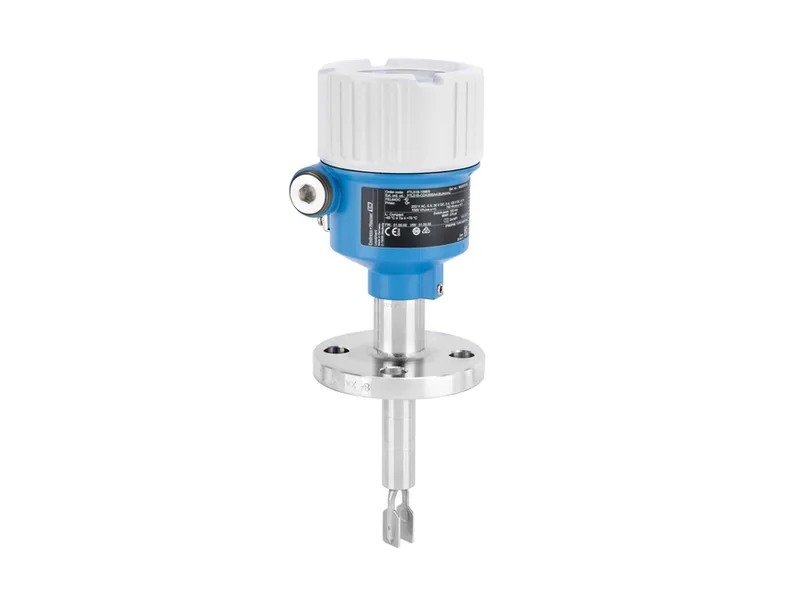
On a chemical day tank, a vibrating fork level switch usually does one of two jobs: it sits near the top as an overfill alarm, or near the bottom as dry run protection for the metering pump. It has no moving parts, does not care whether the liquid conducts, and shrugs off bubbles and flow far better than a float. Getting it right comes down to three choices: the correct fail-safe mode (MIN or MAX), the correct fork orientation, and sensible interlock delays. This guide is written for skid designers and the electricians who wire and commission these tanks.
How a vibrating fork level switch works
A piezoelectric drive keeps the two tines vibrating at their natural frequency in air. When liquid covers the fork, that frequency drops noticeably, and the electronics flip the output to "covered." When the level falls away, the frequency recovers and the output flips back.
That means a vibrating fork level switch detects one point, not a continuous level. If operators need to know how many liters are left, add a level transmitter. If the goal is simply to alarm or stop something at a fixed height, the fork is enough. Very light liquids change the frequency less, so check the minimum density the manufacturer specifies. Most water-based treatment chemicals are fine; some solvents and oils need a second look.
Dry run protection level switch for pumps
A diaphragm metering pump running dry wears its diaphragm and check balls, and once air gets into the suction line someone has to prime it again. The details are in can a metering pump run dry. A low-level vibrating fork level switch stops the pump before the tank empties.
Where to put the switch point
Set it above the suction inlet, leaving enough volume for what the pump draws before it actually stops. Small tanks paired with large pumps need more margin than you might expect.
Wire it fail-safe
For dry run protection, use MIN mode: the output stays closed while the fork is covered and opens when the level drops below it. A broken wire, a power loss or a failed switch also shows up as "open," so the pump stops instead of running dry unnoticed. Resist the temptation to wire the logic the other way around.
Float switch wiring and delay settings for the same job are covered in dosing pump low level alarm setup.
Tuning fork level switch for overfill protection
For overfill protection, use MAX mode: the output is closed while the level is below the fork and opens once it is covered, again failing safe. A high-level vibrating fork level switch typically sits below the overflow and is interlocked with the transfer pump or the make-up water solenoid valve.
A classic mistake is pointing the fill line straight at the fork. Splashing liquid wets the tines, the switch trips early, and the transfer pump short-cycles. Run the fill pipe down toward the bottom of the tank or offset it from the switch. For bulk deliveries from a tanker, consider a separate high-high alarm above the high switch, wired as an independent signal.
Mounting a vibrating fork level switch: orientation matters
You can mount a vibrating fork level switch horizontally through the tank wall or vertically from the roof. The actual switch point differs between the two, so follow the drawing in the manual.
Horizontal mounting
Turn the vibrating fork level switch so both tines stand vertically, with the gap between them running top to bottom. Liquid then drains off the fork and solids do not lodge between the tines. Many units carry an alignment mark on the hex or housing; check it after tightening.
Vertical and pipe mounting
From the roof, an extension tube brings the fork down to the required height. Keep it clear of the mixer blades. In a pipe, align the tine faces with the direction of flow.
Isolate power before wiring. On hypochlorite, acid or caustic tanks, drop the level below the switch and wear proper PPE before removing it.
Buildup, crystals and foam
A thin film of buildup rarely bothers a vibrating fork level switch, which is one reason it beats a float. Crystals that bridge the gap between the tines are a different story. The fork can no longer vibrate freely, so the switch reports "covered" no matter what. On a high-level switch that is a nuisance alarm. On a low-level switch it is dangerous, because the tank can empty while the switch still says there is chemical, and dry run protection is gone.
Caustic soda, lime slurry and concentrated PAC can all do this. Some practical counter-measures:
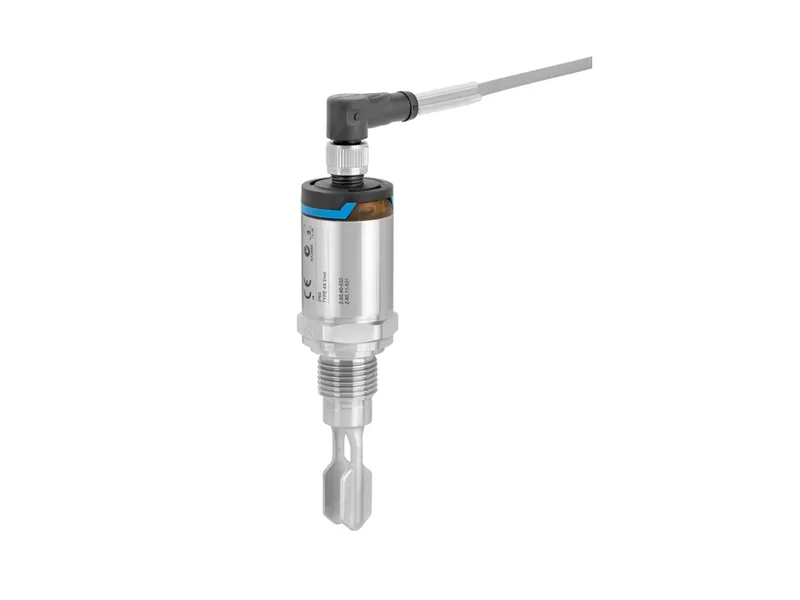
Figure 1: Endress+Hauser Liquiphant FTL31. Image source: Endress+Hauser official website
- Avoid spots where the liquid surface wets and dries the fork over and over.
- Inspect the fork whenever the tank is cleaned.
- If the model has diagnostics, wire the fault output into the PLC as well.
Light foam usually does not trip a vibrating fork level switch, but dense foam can look like liquid. On tanks holding surfactants or antifoam, leave some margin under the high switch point.
Interlock delays with pumps and PLCs
A wavy surface makes any vibrating fork level switch chatter around its switch point. The device has a short built-in switching delay, and most sites add a confirmation delay of a few seconds in the PLC so the signal settles first.
Longer is not automatically better. On the dry run circuit, the pump keeps drawing during the delay, so delay time multiplied by pump flow has to fit inside the margin above the suction inlet. On the overfill circuit, the transfer pump keeps filling during the delay.
Check the output type before wiring a vibrating fork level switch. A 3-wire PNP output goes straight into a PLC digital input. A 2-wire AC direct-load version is wired in series with its load and should not be treated as a dry contact on a dosing pump's level input. Many solenoid dosing pumps accept two level inputs, a pre-alarm and a stop, so two switches can be used. The full set of pump, mixer and level interlocks is in our dosing skid interlock list.
Conclusion
On a chemical tank, a vibrating fork level switch handles overfill protection in MAX mode near the top and pump dry run protection in MIN mode near the bottom, both wired to fail safe. Mount it with the tine gap vertical, keep the fill stream off the fork, and inspect it regularly on crystallizing chemicals. Size the interlock delay from the volume margin, not from habit. Switches such as the Endress+Hauser Liquiphant FTL51B are listed under level switches. Send us the chemical, tank size, number of switch points and control method, and contact our engineers to check the setup.
FAQ
Is a vibrating fork level switch better than a float switch?
For reliability on most treatment chemicals, yes. Floats are cheap and easy to understand, but they stick with buildup and suffer from turbulence.
Can one fork handle both high and low level?
No. Each fork detects a single point, so use one for high and one for low, wired as separate signals.
Will a vibrating fork level switch work in polymer solution?
Usually yes, within the viscosity limit the manufacturer states. Aged polymer can cling to the tines and release slowly, so give the low switch point extra margin.
Why should dry run protection open the circuit to stop the pump?
Because a cut cable or power failure also opens the circuit. Wired this way, any fault stops the pump rather than letting it run dry.
Does a tuning fork switch need calibration?
Generally not. It works once installed and powered. For very light liquids, confirm the density setting matches the medium.