
Cooling Water Biocide Rotation: Oxidizer and Non-Oxidizer
A cooling water biocide program is not “pick one product and leave it on all year.” The arrangement that holds up in an open cooling tower is usually this: an oxidizing cooling water biocide, such as sodium hypochlorite or chlorine dioxide, handles daily control, and a non-oxidizing cooling water biocide is shot on a planned cycle. The two feeds have to be staggered, or they consume each other in the pipe before they reach the fill. If residual or ORP looks fine but slime is still growing on the fill and the condenser approach is creeping up, it is often time to rotate. This article is for operators and water-treatment service crews who need a rotation calendar, not a reverse-osmosis procedure.
Why a cooling water biocide program should not rely on one chemistry
An oxidizing cooling water biocide works quickly on free-swimming organisms in the bulk water. It is much slower against the slime layer that coats fill, exchanger tubes and quiet corners. After months of a low, steady oxidant residual, the population can also become less responsive: the test still shows a residual, yet biofilm keeps building and filter differential pressure keeps rising. A non-oxidizing cooling water biocide uses a different mode of action and can move into that slime layer more readily. Those products usually cost more, some foam, and some have discharge limits, so they are a poor choice as the only daily feed.
Cooling water biocide rotation is the practical compromise. Keep an oxidizer in the loop for day-to-day control, then interrupt the slime with a periodic non-oxidizer, then return to the oxidizer. What each chemical is for is covered in how cooling water treatment chemicals work. Pump and residual notes for hypochlorite in a tower are in cooling tower chlorination with sodium hypochlorite. Non-oxidizers used ahead of a reverse-osmosis membrane follow a different calendar; see non-oxidizing biocide dosing for RO and do not copy that schedule onto a cooling tower.
How to run the oxidizer side of a cooling water biocide program
Daily oxidizer can be a low continuous feed or a short daily shock at a time when microbes tend to rebound. Keep the shock away from a wide-open blowdown valve, or freshly added product leaves before it has made a full turn of the loop. Feeding into the return line lets the cooling water biocide see the fill first, which helps with algae.
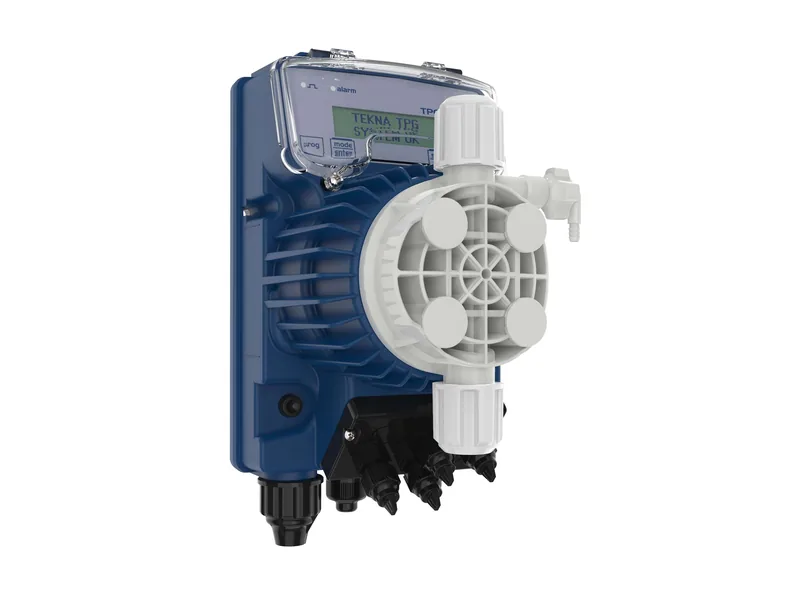
The common mistake is sharing one injection line with a reducer, some inhibitor packages or a dispersant that reacts with the oxidizer. The two products meet in the tube and arrive in the basin already spent. Give the cooling water biocide its own tube and quill when you can. A SEKO Tekna solenoid pump can follow a pulse or 4-20 mA signal, and the timer is useful for a daily shock. Model notes are on the SEKO brand page; other pumps are in the metering pump range. Wear eye and chemical protection around oxidizers, and depressurize the line before you open it.
On a rotation day, stop the oxidizer first. Wait until the residual has fallen far enough that it will not wreck the non-oxidizer, then start the shock. After the non-oxidizer has circulated for the contact time in the product sheet, bring the oxidizer back. Do not fire both products in the same hour.
How to shoot the non-oxidizing cooling water biocide
Size the shock from the supplier’s program and the system volume. Do not “add a bit more” by habit. The feed window has to cover several turnovers of the circulating water so the fill and the exchanger surfaces actually see the product. Hold blowdown back during that window; dumping early wastes the shot. Watch the basin and the fan if the grade is known to foam, and check metallurgy before you introduce a new non-oxidizing cooling water biocide.
Flush the chemical line with clean water after the shot, so leftover product does not sit in the tube and react with the next oxidizer feed. Do not handle neat product with bare hands.
How to tell if cooling water biocide rotation is actually working
Residual chlorine or ORP alone will mislead you. A high residual with a thick slime layer is a reason to rotate, not a reason to raise the oxidizer again. Look at the basin walls and the fill, at filter or strainer differential pressure over a cycle, at condenser or plate-exchanger approach, and at dip slides or similar activity checks. Keep the sample tap away from the injection point. Unmixed product makes the lab number look high, the operator cuts the feed, and the loop runs lean.
Some plants drop cooling water biocide rotation in winter because the water is colder and growth is slower. Slime still accumulates, especially on a lightly loaded tower running at a high cycle of concentration. You can lengthen the interval; do not delete the non-oxidizer from the calendar. If several cells do not share a mixed basin, every cell needs a path for the cooling water biocide, not just one return header.
Conclusion
A cooling water biocide program holds when three conditions are met:
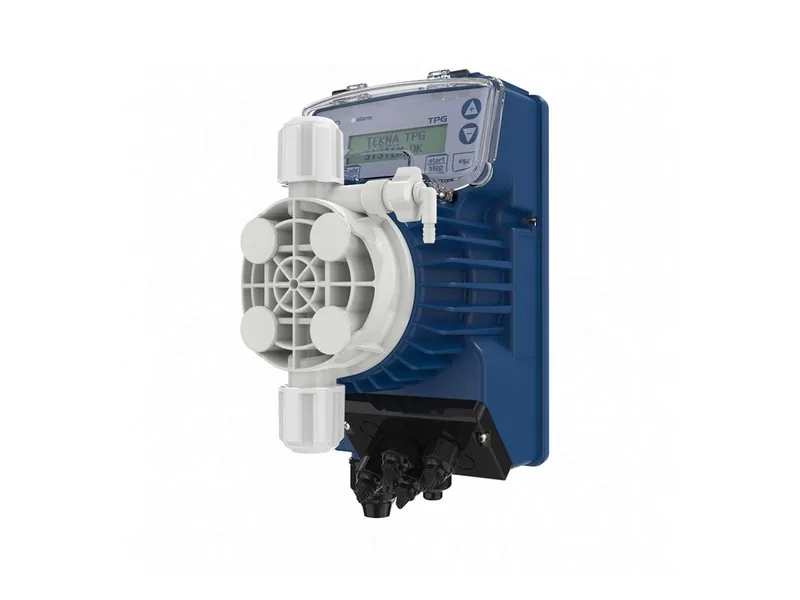
Figure 1: SEKO Tekna TPG solenoid metering pump. Image source: SEKO official website
- The daily oxidizer does not drop out
- The non-oxidizer is shot on a real cycle
- The two products are staggered in time and in piping Keep injection away from blowdown and sample taps, allow contact time on rotation day, and judge success by slime, pressure drop and exchanger approach. Send the tower layout, circulating flow, current chemicals and existing taps through the contact page, and we will turn that cooling water biocide calendar into a pump and injection layout you can run.
FAQ
Can we run only an oxidizing cooling water biocide and never rotate?
For a short period, yes. Over a longer stretch you often see a healthy residual and a growing slime layer. Once the population and the biofilm have adapted, oxidizer-only control loses ground and a periodic non-oxidizer is still needed.
Can both products share one injection point?
They can use the same quill in sequence, but not at the same time. Flush the line and allow the oxidizer residual to fall before the shock. Separate tubes and quills are cleaner.
Should the circulating pumps be stopped during cooling water biocide rotation?
No. The non-oxidizer has to be carried onto the fill and the exchanger surfaces. If the pumps are down, the product sits in the basin and never reaches the metal you are trying to protect.
Do we still need cooling water biocide rotation in winter?
Yes, though the interval can be longer. Growth slows in cold water, but slime and deposits still build. Dropping the non-oxidizer entirely often shows up as a spring surge.
How soon can we restart the oxidizer after a non-oxidizing cooling water biocide shot?
After the shock has run for the contact time on the product sheet and the water has turned over enough times. Do not put hypochlorite back in as soon as the non-oxidizer pump stops.