
Dosing Pump Leaking? Emergency Steps, Containment and Leak Checks
A dosing pump leaking chemical needs a fixed order of work: protect people first, stop and depressurise the pump, contain the spill, and only then look for the leak. Plenty of operators do it the other way round, grab a spanner, tighten a fitting under pressure and take a faceful of chemical.
This article does not cover the long list of root causes; that belongs to routine maintenance. It covers what the person on shift should do once a dosing pump leaking on the skid has already put chemical on the floor.
Dosing Pump Leaking: Identify the Chemical First
Before you walk in, find out what is leaking. Sodium hypochlorite, sulphuric acid, caustic soda and polyaluminium chloride each need a different response. Some release heat with water, some give off irritating gas.
The safety data sheet is your field manual here. Keep a printed copy at the dosing room door. It tells you what protection to wear, what absorbent to use and whether water is allowed.
Typical protective equipment includes:
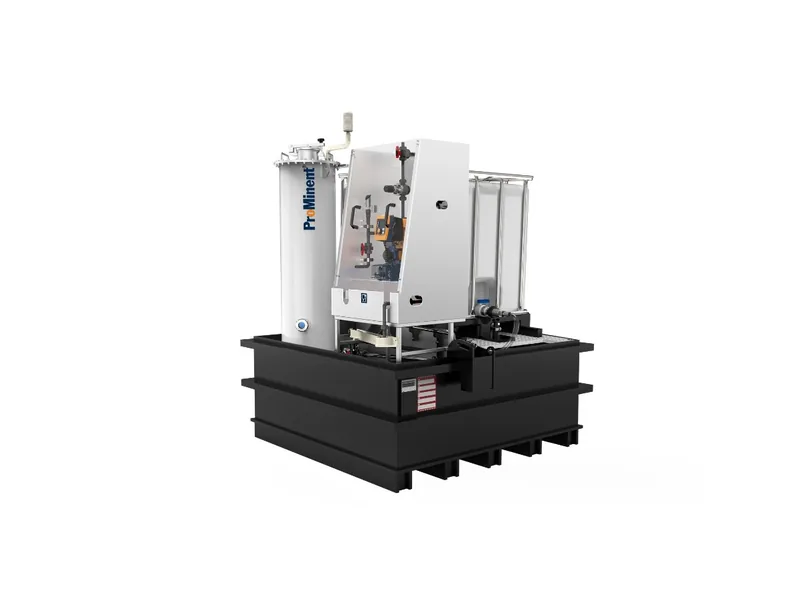
Figure 1: ProMinent DULCODOS SAFE-IBC F&B dosing station. Image source: ProMinent official website
- Chemical-resistant gloves and boots suitable for both acids and alkalis.
- Safety goggles or a face shield, especially when fittings may still be under pressure.
- A suitable respirator plus room ventilation for chemicals with strong fumes, such as hypochlorite.
Stop, Isolate and Depressurise
With protection on, work through the sequence:
- Switch off and lock out. Stop the pump at the panel or local isolator and tag it so nobody restarts it.
- Close suction and discharge valves. This cuts the supply feeding the leak.
- Release pressure. Open the relief or bleed valve to vent the dosing head and discharge line. ProMinent's Sigma manuals repeat the same three steps before every repair: disconnect power, depressurise, flush.
- Contain the spill. Use bunds, absorbent pads or a drip tray to stop chemical reaching floor drains.
Two notes from the same manual: on pumps with a frequency converter, wait 3 minutes after switching off before opening the terminal box, and wear safety glasses when opening a relief valve because the spring can jump out.
Cleaning Up the Spill
Cleaning up after a dosing pump leaking acid or hypochlorite follows the safety data sheet. In general, small spills are soaked up with absorbent and placed in a chemical-resistant container for hazardous waste disposal, while acids and alkalis are neutralised as the sheet directs before rinsing.
Do not reach straight for a hose. Concentrated sulphuric acid heats up violently with water, and hypochlorite washed into a drain with acid can release chlorine gas. Both situations happen in real dosing rooms.
Good design helps a lot. ProMinent's DULCODOS SAFE-IBC F&B dosing station places the IBC over a drip tray it can be driven into, so drips are reliably collected instead of reaching the floor. For more on room layout, see sodium hypochlorite dosing room safety.
Tracing a Dosing Pump Leaking at the Head or Fittings
Once the area is safe, trace the source. Half the answer to a dosing pump leaking problem sits here: replace the wrong part and it keeps leaking. Most leaks come from three places.
Between the dosing head and backplate
The Sigma fault table is direct. If liquid escapes at the backplate, check the dosing head screws first and tighten them crosswise to the specified torque. If the screws are fine, the diaphragm is leaking and must be replaced. On heads with a rupture indicator, a quick look tells you a lot.
Suction and discharge fittings
A dosing pump leaking at a fitting usually has a seal problem. The manual warns that a used PTFE seal cannot reliably seal again, so fit new seals whenever a connection has been opened. Our guide to diaphragm pump seal locations shows where they sit.
Relief valve and pipework
A dosing pump leaking heavily through the relief valve typically has a dirty or worn ball or seat; clean or replace it. If the pipe itself has cracked, replace it and pressure test the line afterwards.
Bringing the Pump Back Into Service
On a night shift with one person, a dosing pump leaking should be handled in the same order. Contain and clean up, report it, and leave the repair for when a second person is available.
After the repair, do not jump straight to full flow. The manual's approach is to check tightness at maximum operating pressure before normal running. A practical sequence is a few minutes at short stroke while you watch the head and fittings, then normal pressure for a leak check, then a calibration column run to confirm flow. See dosing pipeline pressure testing for the line itself. Recheck dosing head screw torque after about 24 hours of operation.
Conclusion
When you find a dosing pump leaking, put people before equipment: identify the chemical, wear the right protection, stop and lock out, isolate and depressurise, contain and clean up. Then check the backplate, fittings and relief valve, which account for most leaks, and leak test at working pressure before dosing resumes. A dosing pump leaking again within weeks of a repair is worth a second look at torque and seals. Keep the safety data sheet, protective gear and absorbents at the door so the first minutes are not wasted. For drip trays and accessories, see our dosing accessories, or contact our team.
FAQ
Can I tighten a fitting while the dosing pump is leaking and running?
No. Tightening under pressure can spray chemical at you. Stop the pump, close the valves and release pressure first.
Does a small drip mean stopping the pump straight away?
Plan the repair soon. Drips are usually an early sign of a loose screw or tired seal and tend to get worse.
Can spilled sodium hypochlorite be hosed away?
Small amounts can be diluted with plenty of water if the sheet allows it. Make sure no acid is present in the drain, or chlorine may form.
Why is my dosing pump leaking after a new diaphragm?
Usually the head screws were not torqued crosswise or an old seal was refitted. Sigma/1 head screws take 4.5 to 5.0 Nm.
What emergency kit should a dosing room keep?
Typically chemical gloves, goggles, absorbent pads, bunding and a resistant collection drum. Chlorine chemicals also need a respirator and ventilation.