
High Viscosity Metering Pump Selection: Diaphragm or Progressive Cavity?
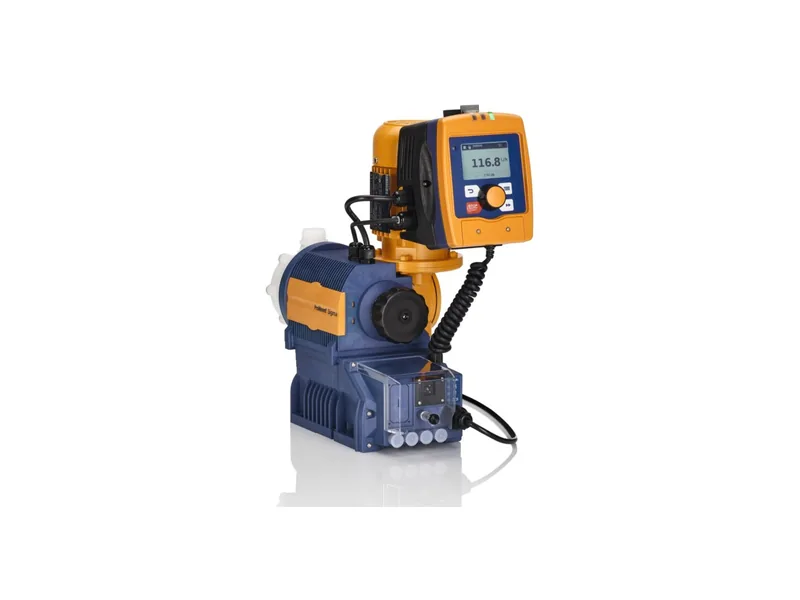
A high viscosity metering pump is usually a motor-driven diaphragm pump fitted with a high viscosity liquid end, run at a low stroke rate with a short, oversized suction line and a flooded inlet. That setup handles a surprising range of thick chemicals. Once the fluid stops flowing under gravity, or its viscosity swings wildly with temperature, a progressive cavity or gear pump is the better tool.
This guide is for engineers writing chemical feed specs, buyers comparing quotes, and operators who inherited a pump that never quite worked on polymer concentrate, antiscalant, defoamer or resin additives. It covers selection. If you already have a pump that will not draw a polymer, our article on PAM dosing pumps that will not pump viscous product walks through troubleshooting.
Where viscosity hurts a metering pump
Viscosity is resistance to flow, normally given in mPa·s or cP (the two numbers are the same). Water sits around 1 cP. Neat polymer emulsions and some additives are orders of magnitude thicker.
On any reciprocating high viscosity metering pump the weak point is the suction stroke. As the diaphragm pulls back, the chamber has a fraction of a second to fill through the foot valve, suction line and inlet check valve. Thick fluid cannot move that fast. The diaphragm starts its discharge stroke with a partly filled chamber, so every stroke delivers less than the calibration says. Push it further and you get cavitation, knocking and erratic flow.
The discharge side of a high viscosity metering pump is rarely the problem. A positive displacement pump will push viscous liquid out as long as the line pressure stays below the pump rating and the relief valve setting.
How a high viscosity metering pump is configured
Slow the stroke rate down
Fewer strokes per minute means more time for each suction stroke. The standard approach is a larger liquid end at a lower stroke rate, using stroke length to get the flow, rather than a small head running fast. Milton Roy, for example, publishes allowable viscosity for its mRoy hydraulic diaphragm pumps by plunger size and stroke speed, and the permitted viscosity rises as the speed drops.
Some digital pumps go one step further and slow only the suction stroke. ProMinent states that its Sigma/ 1 control type (S1Cb) can meter viscous and gassy media accurately by adjusting the stroke movement profile. LMI offers a slow suction mode on the EXCEL XR for the same reason. For any high viscosity metering pump with a variable motor, this feature is worth asking about.
Oversize and shorten the suction line
The most common installation mistake is matching the suction pipe to the pump connection size and then running it several metres with a couple of elbows. Water does not care. Viscous product does. Go at least one pipe size up, keep the run short and straight, use full-bore ball valves, and pick a strainer that will not blind off.
Flood the suction
Mount the tank above the pump so the liquid level always sits above the inlet. Letting gravity feed the pump is far more reliable than asking a high viscosity metering pump to lift thick fluid on its own.
Use spring-loaded, large-bore valves
Standard ball checks rely on gravity to reseat. In thick fluid the ball drops slowly and backflow increases. A high viscosity liquid end normally uses spring-loaded valves with larger passages. Milton Roy lists a dedicated high viscosity liquid end for its G series, and most major brands offer something similar. Ask for it by name instead of adapting a standard head.
High viscosity metering pump checklist
Work through these in order, because each answer shapes the next:
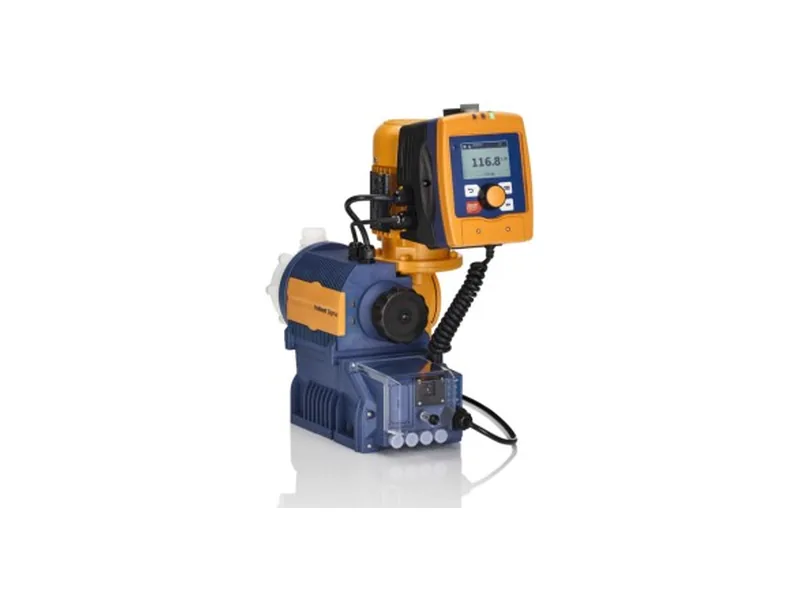
Figure 1: ProMinent Sigma/ 1 control type S1Cb motor-driven pump. Image source: ProMinent official website
- Viscosity at the lowest operating temperature. Winter can multiply viscosity, so size for the coldest day.
- Solids, fibres or skinning. These decide the valve style and whether you need a flush connection.
- Maximum flow and turndown.
- Accuracy and control signal. Pulse or 4-20 mA proportional control is where a diaphragm pump earns its place.
- Installation. Can the tank be raised? How short can the suction line be?
Get viscosity data in writing from the chemical supplier. "About like dish soap" will not size a high viscosity metering pump.
When to switch to a progressive cavity or gear pump
Every high viscosity metering pump liquid end has a maximum viscosity in the manufacturer's data. If the fluid exceeds that limit, or will not flow at its coldest, stop forcing a diaphragm pump. Switch pump types when:
- The product is a paste or semi-solid that will not drain from the tank.
- Flow is high and only rough proportional feed is needed.
- The fluid is shear sensitive, such as aged polymer solution.
A progressive cavity pump moves fluid continuously, primes well and gives low pulsation, with flow roughly proportional to speed. The stator must never run dry, and accuracy is usually below a good metering pump. A gear pump suits clean, lubricating viscous liquids such as oil-based additives, but not abrasive or aggressive chemicals. See our comparisons of gear pumps vs diaphragm metering pumps and diaphragm vs progressive cavity pumps for polymer feed.
Field problems that catch people out
It works in summer. Commissioning goes fine, then the first cold month the chemical thickens and output drops. Either size the high viscosity metering pump for winter viscosity or insulate and heat-trace the tank and suction line, after confirming with the chemical supplier what temperature the product tolerates.
Product skins inside the head. Leave a viscous chemical in the pump over a long weekend and the balls glue themselves to the seats. Flush the head with water or a compatible solvent before extended shutdowns.
Calibrating on diluted product. Calibrate with the real chemical at the real temperature, or the numbers mean nothing.
Conclusion
Selecting a high viscosity metering pump comes down to suction: low stroke rate, a short oversized suction line, a flooded inlet, spring-loaded large-bore valves, and viscosity checked at the coldest operating temperature. A diaphragm-type high viscosity metering pump covers many thick chemicals while keeping metering accuracy and signal control. Beyond the liquid end limit, or with shear-sensitive or non-flowing product, move to a progressive cavity or gear pump. Browse our metering pump range and ProMinent pumps, then send the chemical name, viscosity at minimum temperature, flow and pressure, and contact our engineers to confirm the pump and liquid end.
FAQ
Can a solenoid pump work as a high viscosity metering pump?
Only for slightly thick fluids at very low flow. Solenoid pumps stroke fast with short suction time, so they lose output quickly as viscosity rises. A motor-driven diaphragm pump is usually the safer choice.
At what viscosity do I have to use a progressive cavity pump?
There is no single number. It depends on the liquid end's published limit, stroke rate and suction conditions. The same chemical may pump fine at low speed with a flooded inlet and fail at high speed on a suction lift.
Should I heat the chemical feeding a high viscosity metering pump?
It can help, but confirm the product will not degrade and that the liquid end materials can take the temperature. Improving suction conditions is often the more reliable fix.
Do viscous chemicals still need a back pressure valve?
Yes, if discharge pressure is low, to prevent siphoning and overfeed. Choose a valve with passages suited to thick fluid so the poppet moves freely.
Can I swap a standard liquid end for a high viscosity one?
Sometimes, within the same pump model, but valves and connections may differ. Confirm with the manufacturer using the full model code rather than mixing parts.