
Chemical Dosing Sampling Point: Where to Sample and Which Valve
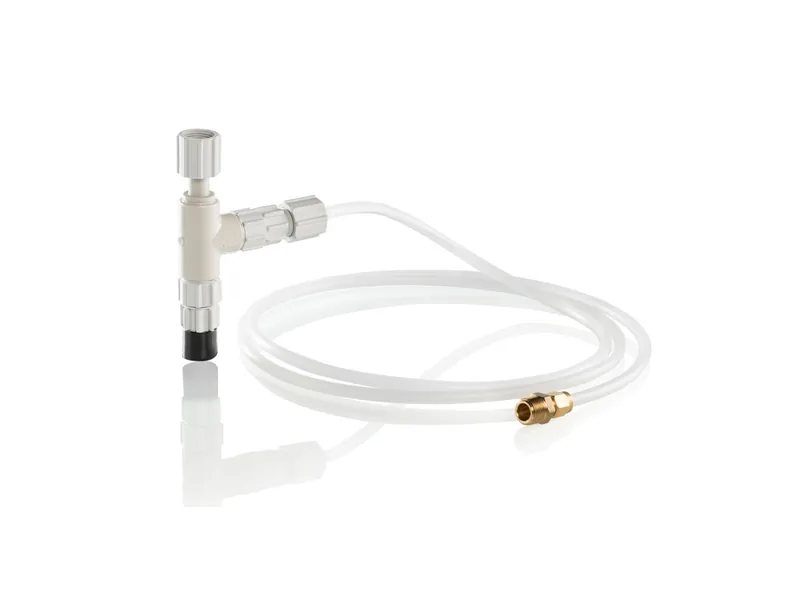
A chemical dosing sampling point exists to answer two questions: was the chemical made up correctly, and is the dose doing its job? That usually means three locations. A tap on the solution or storage tank checks concentration. A tap at the metering pump discharge shows the condition of the liquid being pumped. A tap downstream of the injection point shows the result, such as residual chlorine, pH or turbidity. Plenty of skids leave the factory without a single sample valve, and the gap only shows up when the dose and the water quality stop matching and someone has to break a pipe joint to get a sample. Planning sampling at the design stage saves a lot of trouble later.
Why every dosing system needs sampling
The classic site argument goes like this: the pump is running, the tank level is dropping, yet the treated water is still out of spec. Is the solution too weak, is the pump under-delivering, or is the chemical not mixing at the injection point? Without a chemical dosing sampling point, everyone is guessing.
A chemical dosing sampling point at each stage splits the chain from tank to injection into sections that can each be verified. Solution strength comes from a tank sample sent to the lab. Pump output is measured with a calibration column or graduated cylinder on the suction side. The treatment result comes from a downstream sample or an online analyzer.
Solution tank chemical dosing sampling point
Put the tank tap on the lower side wall, a little above the floor so settled solids stay out of the sample. For chemicals mixed on site, such as PAC or polymer (PAM), the solution strength sets the real dose. If the water or powder quantity is off during makeup, no amount of pump adjustment will fix it.
Some practical points:
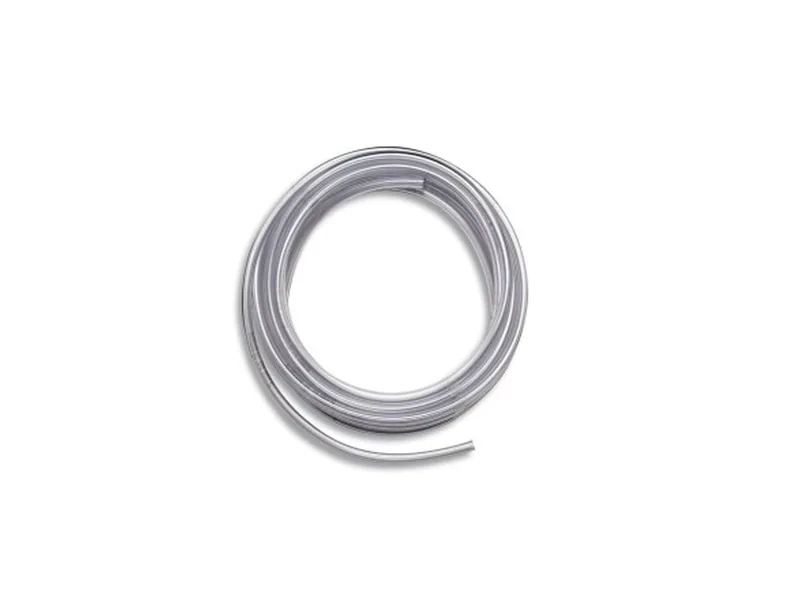
Figure 1: ProMinent metering pump hoses and pipes. Image source: ProMinent official website
- Place the valve where the mixer keeps the liquid moving, not in a dead corner.
- Polymer solutions are viscous, so use a valve with a generous bore or the sample will take forever.
- For tanks filled from delivered drums or bulk loads, take at least one sample after each delivery to confirm supplier concentration.
- Keep the tap below the normal minimum level so the tap stays usable at low levels.
Pump discharge chemical dosing sampling point
A discharge sample mainly shows whether the chemical carries gas bubbles, crystals or debris, which hints at valve or line problems. For measuring actual output, the suction-side calibration column is the better tool, as described in our guide to metering pump calibration.
The discharge line is pressurized, so this chemical dosing sampling point needs a needle or ball valve rated for the line pressure, followed by a short tube into a collection container. ProMinent flushing and relief valve assemblies, for example, mount at the pump discharge and include a drain port used to relieve pressure, drain and flush the line before maintenance. Such an assembly can double as a maintenance drain, but a dedicated sample valve is the better choice for routine sampling because it avoids operating the relief function by mistake.
Give every discharge sample valve a safe drain path, so pressurized chemical does not spray toward the operator.
Downstream chemical dosing sampling point
This is the tap that shows whether the treatment works. Hypochlorite disinfection is judged by residual chlorine, acid or caustic dosing by pH, and coagulation by turbidity. Locate the chemical dosing sampling point after the chemical has fully mixed, typically some distance downstream of injection or after a static mixer or reaction tank. Too close and the concentration swings wildly, so the lab result means little.
If an online chlorine analyzer or pH meter is already installed downstream, put the manual tap right next to it for comparison and calibration. Placement and instrument choice are covered in online residual chlorine monitoring.
Choosing a valve for each chemical dosing sampling point
Three factors usually drive sample valve selection:
- Material follows the chemical. PVC or PVDF suits hypochlorite and hydrochloric acid, PVC is questionable with concentrated sulfuric acid, and PP or stainless steel works for caustic soda. Confirm against the actual concentration and temperature.
- Valve type follows the duty. A ball valve is fine on a tank. A needle valve gives better control on a pressurized line. Viscous polymer needs a full-bore ball valve.
- The outlet must be easy to use. Fit a short tube or quick connector so a sample bottle can be held under it without chemical running down the equipment.
Good sampling practice
Before collecting at any chemical dosing sampling point, open the valve and let some liquid run to waste to flush out the stagnant volume, or the lab will be testing old chemical. Label every bottle with the chemical dosing sampling point, time and chemical name. Volatile or unstable chemicals such as hydrochloric acid and hypochlorite should be tested quickly, since their strength changes as they sit.
Record each result together with the pump stroke length and frequency at that moment. Over a few months, patterns appear: one shift may always mix the solution weak, or one pump may lose output in summer. A single lab result rarely reveals that.
Safety note: confirm line pressure before sampling a pressurized line, wear gloves and eye protection, and open the valve slowly. An eyewash station near any strong acid or caustic sampling point is strongly recommended.
Conclusion
Every chemical dosing sampling point should be planned during design, normally one on the solution tank, one at the pump discharge and one downstream of injection, to check solution strength, liquid condition and treatment result. Match the valve material to the chemical, use needle valves with a safe drain on pressurized lines, and flush before every sample. To see how the whole package fits together, look at chemical dosing system components, our dosing skid products and ProMinent accessories, or contact us with your chemicals and line pressures.
FAQ
Does every dosing skid need a sample valve?
It is strongly advised. Without a chemical dosing sampling point, a dose mismatch cannot be traced section by section, and the only option is to open pipework or stop the system.
How high should the tank sample valve be?
On the lower side wall, high enough to avoid settled solids and below the normal minimum level so a sample can be drawn at any time.
Can the relief valve at the pump discharge be used for sampling?
As a one-off, yes, but not routinely. It is meant for pressure relief and draining during maintenance, so frequent use invites mistakes. Fit a separate sample valve.
How far downstream of injection should the sample be taken?
Far enough for complete mixing, usually after a static mixer or reaction tank. The exact distance depends on pipe size, velocity and mixing method.
How soon should samples be tested?
As soon as possible. Hypochlorite and hydrochloric acid samples lose strength noticeably if left standing.