
pH Electrode Storage: Keep the Glass Wet, Avoid Dry Caps
A probe that still calibrated last week can look slow and noisy after a few days on a shelf. In many plants that is not a sudden failure. It is a pH electrode storage mistake. The glass membrane and the reference junction have to stay wet. Once they dry out, soaking overnight often will not bring the slope back. This note is for instrument technicians and storekeepers. It explains how to use the protection solution, why dry storage is a bad idea, and how to hand over a spare. Everyday calibration is covered in how to calibrate an online pH analyzer. Cleaning and upkeep are in the online analyzer electrode maintenance guide. Poisoning is a different problem and is not the subject here.
How pH electrode storage solution should be used
When you take a probe off the process for a short time, pH electrode storage starts immediately: fill the original cap with the specified solution and screw it back so both the glass bulb and the junction sit in liquid. That solution is usually potassium chloride, often around 3 mol/L KCl, as written in the manual. Do not fill the cap with tap water or distilled water just to make it look wet. Distilled water pulls potassium ions out of the reference, and the probe then wakes up slow and unstable.
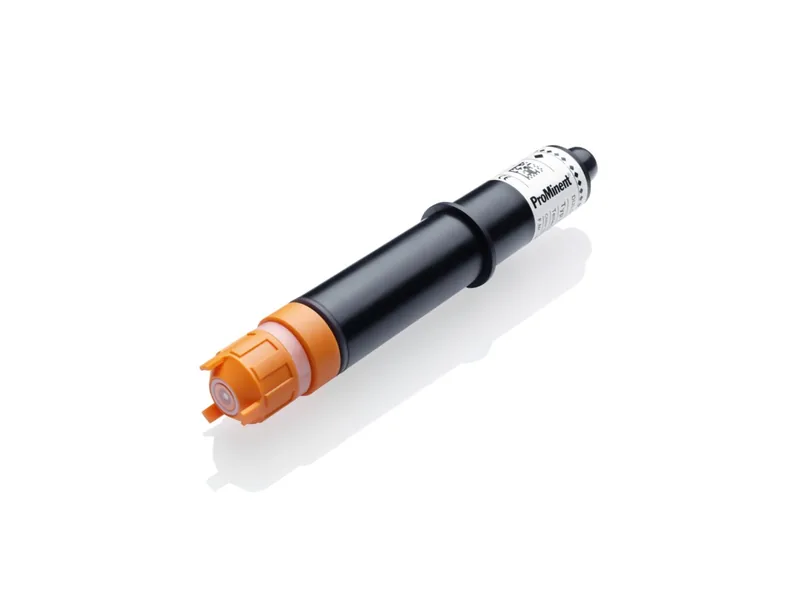
Spare probes in the storeroom need the same pH electrode storage check. Typically someone looks inside the cap about once a month and tops up if the liquid has evaporated. Keep the box off freezing temperatures and away from a hot window. Frozen solution can crack the glass bulb. ProMinent DULCOTEST pH electrodes ship with a cap and a short instruction card. Fill the cap when the probe first arrives. Do not leave an empty, dry cap on the bulb and call that storage. Process electrodes in the same line, such as a peracetic-acid sensor, have their own storage notes. Do not treat a dry cap as storage for every DULCOTEST probe.
For a longer hold, some makers allow the probe to stand upright in a bottle of the same solution, with the liquid covering the glass membrane and the bottle closed to cut evaporation. It depends on the model. Do not park electrodes from different brands in one shared jar, because contamination moves both ways.
Why dry storage, and the wrong liquids, ruin a probe
If the glass membrane dries out completely during pH electrode storage, the hydrated layer is damaged. Hours of soaking afterwards often will not restore the original response. That is the most common way pH electrode storage ends in a scrap probe. People sometimes think a dry cap is cleaner. The spare set then fails together. If the probe came out of an oily stream and you cap it without rinsing, the protection solution itself becomes dirty, and the next installation puts that film back on the membrane.
Do not use pH 4 or pH 7 buffer as a pH electrode storage bath. Buffer is for calibration, not for keeping the junction healthy. Long soaks can plug the junction with buffer salts. Strong acid, caustic or solvent must not be used as a storage liquid either. Rinse process chemical off with clean water before the probe goes into KCl. That rinse is the step crews often skip.
A field checklist for pH electrode storage and handover
A pH electrode storage handover can use a short list:
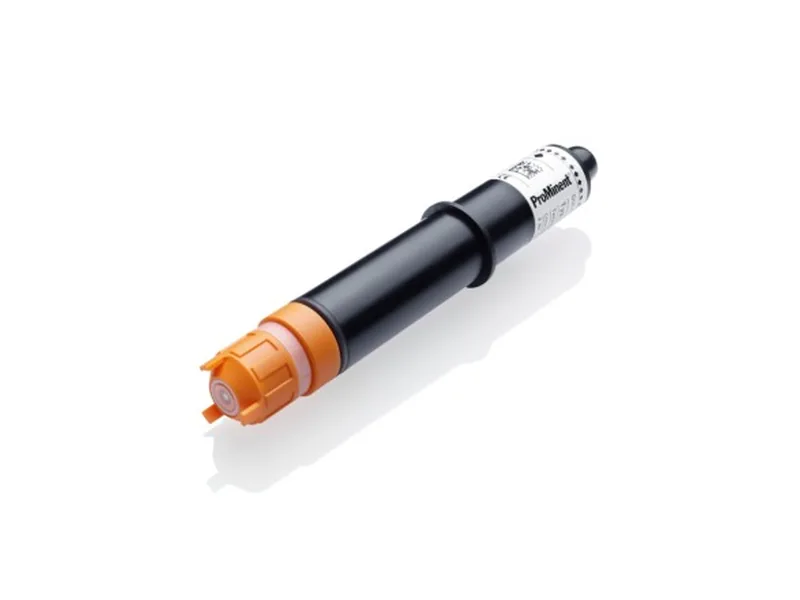
Figure 1: ProMinent DULCOTEST peracetic acid. Image source: ProMinent official website
- Is the cap tight, and is there enough KCl inside, without a crust of dry crystals over the junction?
- Is the cable coiled into a tight kink, or trapped under tools?
- Can the storeroom drop below 0 °C, or sit in direct sun for hours?
- Is the last calibration date and slope written down, so the next crew does not discover a dead spare at the tank?
If pH still runs a dosing loop, switch the metering pump to manual or stop the dose before you pull the probe. Otherwise the controller may drive acid or caustic on a stale reading. Control timing is discussed in pH dosing system control. Related sensors and transmitters are listed under pH/ORP instruments. You can also check the storage note on the ProMinent DULCOTEST pages.
Checks before a spare goes back into service
Do not drop a warehouse spare straight into the process line after pH electrode storage. Confirm that storage liquid is still present, that the bulb has no hairline cracks or white patches, and that the connector is dry. Rinse crystals off the outside of the cap, then run a two-point buffer calibration and write down slope and response time. If the slope is clearly low, or the reading takes several minutes to settle, that probe should not go back into a control loop. It can be a temporary monitor, or it should be retired.
Let the probe warm toward process temperature first. A probe taken from a cold store and pushed into hot water can crack. Generally ten or twenty minutes in the room is enough. Tighten the process fitting to the maker's torque, not until the thread deforms. After you reconnect the transmitter, watch the reading for about half an hour before you return the pump from manual to automatic, so early drift does not flood the tank. Update the PLC or controller record for the last clean and calibration so the next shift does not judge the probe by old notes.
ORP and conductivity probes kept in the same cabinet do not all follow the same pH electrode storage rule. Do not assume every sensor belongs in one bottle of KCl. pH electrode storage is about the hydrated glass and the reference junction. Metal ORP tips and conductivity cells have their own rinse and dry instructions. Mixing those baths is a frequent error.
Conclusion
The practical rule for pH electrode storage is specific: keep the glass wet with the maker's KCl solution, use a filled cap for a short hold, immerse and top up for a long hold, and do not store the probe dry or in distilled water or buffer. Check the cap, the cable and the calibration record at handover. That costs less than issuing a new probe after a dry week. Send the model and how you currently store spares, and contact us so we can check whether the solution and the steps fit that electrode.
FAQ
Can I wrap the probe in a wet cloth if the cap is missing?
That can work for a short move, but the cloth dries quickly. Back at the store, fit a proper cap or a clean bottle and return to normal pH electrode storage with the membrane immersed.
Can I use saturated KCl instead of the branded bottle?
Many manuals allow a solution around 3 mol/L KCl. Whether the official bottle is required depends on the model. Do not decant an unknown brine, and do not dilute it with tap water until it "looks about right."
If the probe sat dry for a week, will an overnight soak recover it?
Not in every case. Some probes regain part of the slope. On others the hydrated layer is already gone. Soak as the manual says, then check slope and speed in two buffers. Replace the probe if it fails. Do not force it back into a control loop.
Will a cold storeroom freeze the solution and break the bulb?
It can. Frozen filling solution may crack the glass. pH electrode storage should stay above 0 °C. In winter, keep spares out of an unheated window bay.
How long can a probe sit in protection solution?
Usually weeks to months, if the liquid does not dry out or get dirty and someone inspects it on a schedule. After the idle period in the manual, calibrate and watch the response before you treat the spare as a new probe.