
Aluminum Sulfate Coagulant vs PAC in Water Plants
A drinking-water plant choosing an aluminum sulfate coagulant or PAC is not asking which product sounds newer. It is asking whether the raw water has enough alkalinity to hold pH, in which window the floc grows, and whether the leaving residual aluminum can be held. Both are aluminum-based coagulants. Both hydrolyse and destabilize colloids. Alum is a simple aluminum salt. PAC is already polymerized, so the alkalinity demand, the useful pH range and the speed of the floc are often different. Liquid versus powder PAC is a make-down and equipment question, already covered in liquid PAC vs powder. That is not the same decision as the one in this article.
Where an aluminum sulfate coagulant and PAC actually differ
An aluminum sulfate coagulant has a long operating history, and many older plants still have day tanks, metering pumps and alkali trim built around it. It consumes raw-water alkalinity, and the pH window is relatively narrow. On thin alkalinity or a low raw pH, if alkali is not added in time, floc turns fine, settling suffers, and residual aluminum climbs. The chemical works when pH and alkalinity are controlled. Raising the dose alone does not fix a pH that has already left the window.
PAC is pre-polymerized. On many raw waters the floc arrives faster, the alkalinity demand is often lower than with an aluminum sulfate coagulant, and the usable pH range is often a little wider. That does not mean PAC can be run without watching pH. An overdose still raises residual aluminum, and the supernatant is not automatically clearer. Compare the two on the same water, in the beaker, on turbidity, residual aluminum and the alkali you have to add, not on the name on the bag.
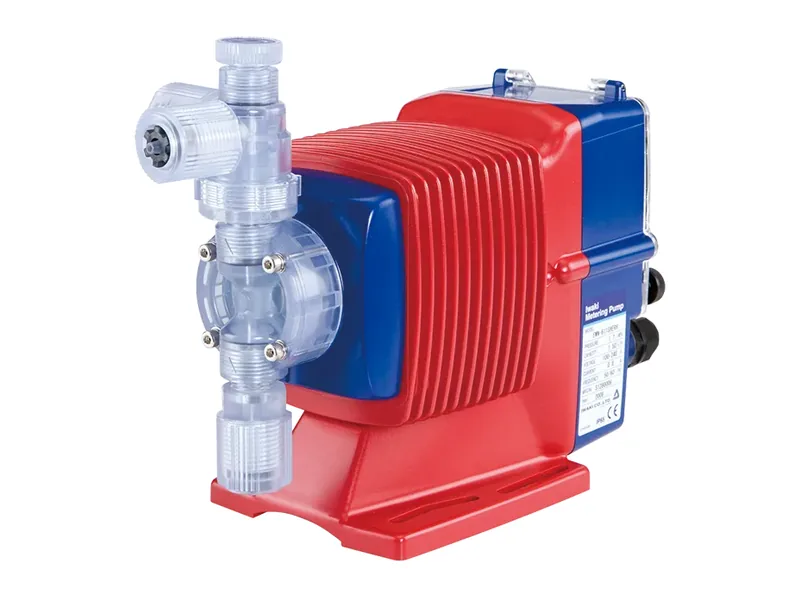
Pump heads and lines have to tolerate the aluminum salt, and the quill should sit in the main flow. Equipment options are on the metering pump page and the IWAKI brand page. IWAKI solenoid diaphragm pumps are often used where a water-plant coagulant dose has to be small and steady. Where to put the tap is covered in coagulant dosing point selection.
When a plant should keep alum, and when PAC is easier
Work through the choice in this order:
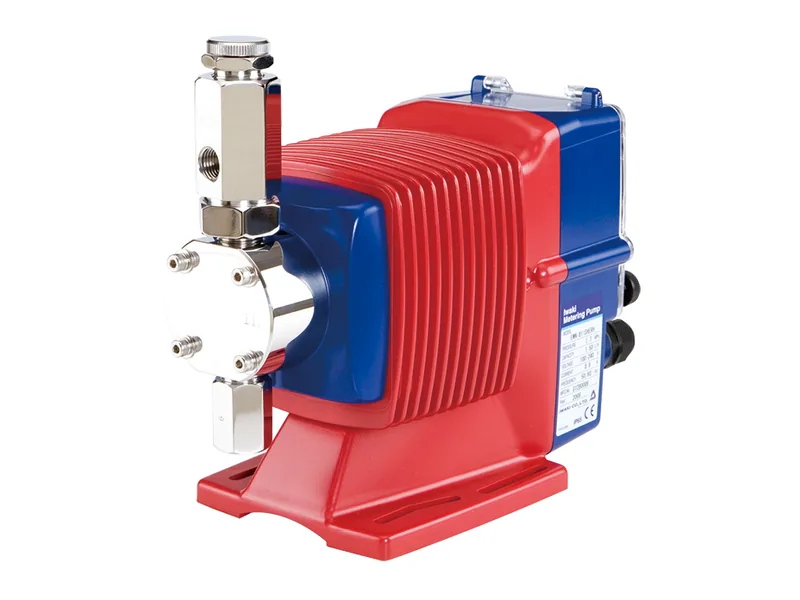
Figure 1: IWAKI EWN-R stainless-head solenoid pump. Image source: IWAKI official website
- Is raw-water alkalinity thin, and will pH fall as soon as the coagulant is added? If alkalinity is thin and alkali trim is unreliable, PAC is usually easier to live with.
- Is the existing plant already built around an aluminum sulfate coagulant, with alkali trim, pH monitoring and sludge handling in place? If pH is stable and residual aluminum is already in spec, do not change just because "everyone is on PAC."
- In a paired jar test, do not compare kilograms as if they were the same thing. The two products do not carry the same active aluminum. Compare them at a similar aluminum dose, then look at supernatant turbidity, residual aluminum and alkali demand.
- In cold weather or on a more organic raw water, repeat the jars near the actual water temperature. A single room-temperature set is not enough.
Some sources swing hard with the season: high turbidity in flood, thin alkalinity in the dry months. Those plants should keep both chemicals on the test list, rather than locking one choice for the whole year. Taking a jar-test dose onto an online pump is in coagulant dose control from jar test to online adjustment. When river turbidity moves, raw water coagulation with PAC still applies to an aluminum sulfate coagulant: change stroke or frequency with the water, and do not leave one setting running all season.
Mistakes that show up when plants compare or switch
The most common misread is a straight weight comparison. PAC and an aluminum sulfate coagulant do not deliver the same aluminum per kilogram, so a beaker result can be tilted before anyone looks at the floc. Convert to a similar aluminum basis first, then judge turbidity and residual aluminum.
The next mistake is to switch to PAC and keep the old alum alkali curve, or the other way around. Once pH leaves the floc window, residual aluminum is often the first alarm. Repeat the jars, set dose, pH and alkali together, and only then change the metering pump. If a tank and line must change from one aluminum salt to the other, flush them. Leftover solution can scale a strainer and jam a valve ball.
Do not blend an aluminum sulfate coagulant and PAC in the same day tank, and do not tee two discharge lines together without isolation. The two solutions differ in pH and in their impurities; mixed, they can scale filters and valve balls. If you want to test a sequence, do it in the jars, not in storage. Both chemicals are corrosive. Wear protection when you make down or open a pump, depressurize the line first, and keep concentrate off skin and eyes. In winter the solutions thicken; keep outdoor lines from freezing so crystals or a thick fluid do not lock the valves. Take residual-aluminum samples away from the quill, or the lab number runs high and the pump is pushed too far.
Conclusion
A water plant should pick an aluminum sulfate coagulant or PAC by alkalinity and pH control first, then by floc and residual aluminum, not by which name sounds more current. When alkalinity is thin and pH is hard to hold, PAC is usually the easier duty. When a plant already holds pH and residual aluminum on alum, it can stay on an aluminum sulfate coagulant and does not have to switch in a hurry. Liquid or powder is only the supply form; do not mix that question with the chemical choice. Send us raw-water turbidity, pH, alkalinity, temperature and the residual-aluminum limit, and we can help you confirm the chemical and size the metering pump flow and materials.
FAQ
Is an aluminum sulfate coagulant outdated, and is PAC always the upgrade?
No. Age of the product is not the test. If pH and residual aluminum are already held, an aluminum sulfate coagulant is still a valid duty. Whether to change depends on alkalinity, jar results and the alkali system you already have, not on the calendar.
If alkalinity is low, must we switch to PAC?
Not in every case, but PAC is usually easier because it often consumes less alkalinity. If you stay on an aluminum sulfate coagulant, you need reliable alkali trim and pH control, or floc and residual aluminum will drift.
Can we compare the two chemicals at the same weight dose?
No. Run paired jars at a similar active-aluminum dose, then look at turbidity, residual aluminum and alkali demand. A kilogram-for-kilogram test is easy to misread when you are choosing an aluminum sulfate coagulant against PAC.
After we change to PAC, do we keep the old alkali dose?
No. Retest. PAC usually has a different alkalinity demand, and copying the old curve can push pH too high or too low. Set the jars first, then change the pump.
How do we turn the chosen dose into a metering pump flow?
Still run a jar test, then convert the dose to a pump flow. Have the water flow, solution strength and target dose ready, then ask us to check the pump. That last step is the same whether you stay on an aluminum sulfate coagulant or move to PAC.