
Acid Concentration Meter for Online Make-up and CIP Strength
On an acid or caustic make-up tank, and on a CIP recovery loop, operators want to see a percentage at a glance. An acid concentration meter is built for that job: it gives an online estimate of acid or caustic strength so make-up and step changes have a number to follow. It is usually not running a titration. It uses a physical property such as conductivity, sound speed or refractive index, then converts that value on a curve for one acid or one alkali. When the curve is right, the trend is useful. When the acid type changes or temperature compensation is wrong, the figure looks definite and is already off. This note is for process and instrument technicians. Acid and caustic dosing control is in pH dosing system control. Clean-in-place and UF chemical cleaning are in ultrafiltration chemical cleaning.
What an acid concentration meter actually measures
The most common type is conductivity-based. At a stated temperature, hydrochloric acid, sodium hydroxide and similar solutions have a conductivity-versus-concentration curve, and the instrument displays a mass or volume fraction on the selected curve. Mid and high concentrations often use an inductive conductivity cell so metal electrodes are not eaten by the strong acid or caustic. Sonic and refractive meters also exist for particular media and ranges. In every case, an acid concentration meter reports an estimate on that curve, not a laboratory titre.
It is useful for seeing whether a batch has reached its end-point, whether CIP acid or caustic is still strong enough, and whether make-up water has diluted the tank too far. It is generally not enough for legal metrology or a trade settlement. Curves usually apply to one reasonably pure acid or alkali. Mixed acids, or a tank with extra salt or surfactant, change the relationship. Temperature must be compensated. Concentrated solutions have a large temperature coefficient, and a wrong compensation shifts the whole concentration reading.
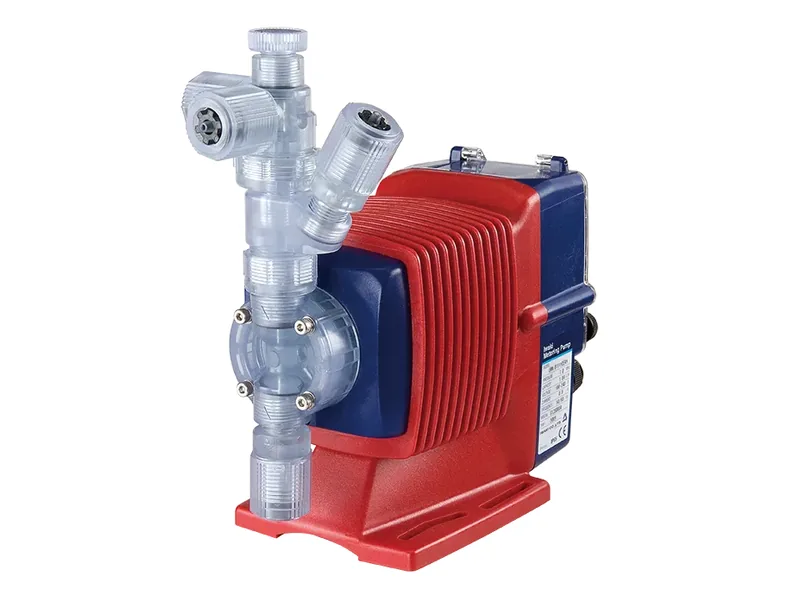
ProMinent process instruments can take a conductivity signal, display it on a curve, and interlock a metering pump for make-up. The order should name the chemical, the concentration range and the temperature. Do not write only “we need an acid concentration meter.” An IWAKI EWN-A solenoid metering pump can be the make-up actuator. Set a dose ceiling so a short jump on the acid concentration meter does not overfeed.
When an acid concentration meter is trustworthy, and when it misleads
On a single recipe, with a reliable temperature measurement and a full, bubble-free probe, the trend from an acid concentration meter can guide make-up. If the acid is changed and the curve is not, or if a hydrochloric curve is left on a sodium hydroxide tank, the reading can look “normal” and be completely wrong. Crystals, bubbles and a level below the probe make the concentration jump. During make-up, fresh concentrated acid may not be mixed yet; a probe too close to the addition point will call the end-point too early.
When the signal drives a make-up valve or a metering pump, add a delay and a dead band so poor mixing does not chatter the valve. A pH electrode measures hydrogen-ion activity, which is not the same as concentration. The two can work together at lower strength or during neutralization. On a concentrated make-up tank, trust the acid concentration meter more than pH alone. Conductivity selection background is in online conductivity meter selection.
A selection, mounting and comparison list
Walk through these points:
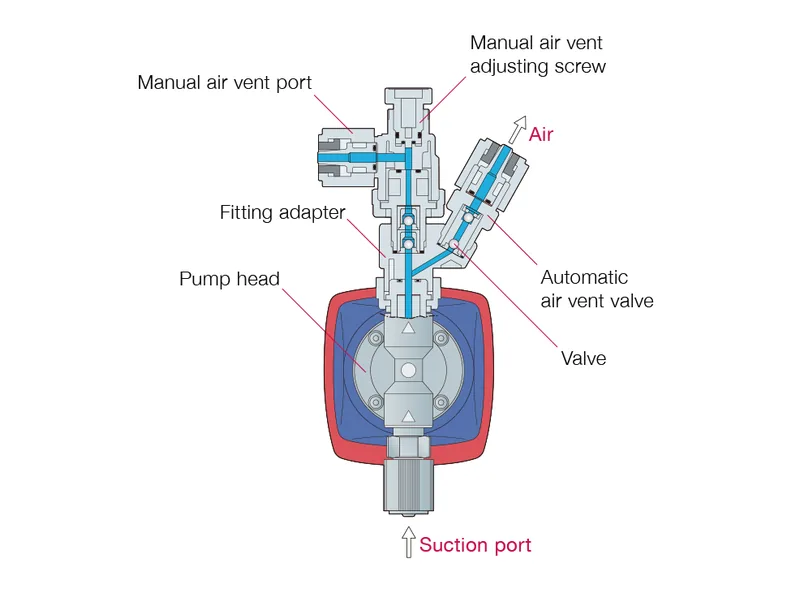
Figure 1: IWAKI EWN-A operating principle. Image source: IWAKI official website
- Which acid or alkali is in the tank, and do the concentration range and the temperature sit on the curve of this acid concentration meter?
- Is the principle conductivity, sound speed or refractive index, and will the wetted materials last?
- Is the mounting full, vented and away from an unmixed addition tee?
- Is temperature compensation on, and does the selected curve match the medium?
- Is a titration or density check done on a schedule, with the offset recorded?
Brand pages are on ProMinent. Laboratory checks should use the same acid or alkali the plant actually feeds, not a “universal” standard of a different acid. Probes and sample lines must allow for crystals and freezing. In winter, hydrochloric acid or some caustic lines may need heat tracing or a drain.
Before a new meter goes to the make-up valve, compare it once on a tank or a prepared sample of known strength. Record the temperature and the sample time. After a change of raw-material lot, if impurities have changed, repeat the comparison.
At shift handover, look at the curve name and the unit. If the previous shift changed the display from mass fraction to Baumé and the next shift still uses the old setpoint, the tank will be over- or under-made. That mistake is more common than a failed probe.
Keep the curve selection, the unit and the last laboratory offset in one place next to the transmitter. An acid concentration meter that has been quietly switched to another curve will keep producing a confident number. The pump will follow it.
If the meter and the lab disagree, check the curve and the temperature first
When an acid concentration meter and a titration differ by a lot, first confirm it is the same acid and the same temperature reference, then look for bubbles, mixing and a fouled probe. Do not edit the curve slope to match today’s lab result. Investigate a damaged probe or a changed curve only after the gap jumps.
Conclusion
An acid concentration meter estimates acid or caustic strength from a physical property and a curve. It is suitable for make-up and CIP process control, and it does not replace titration for official analysis. The curve, the temperature and the medium must match, and the probe must run full, away from an unmixed tee. Send the chemical name, the concentration range and the current instrument, and contact us so we can choose a principle and a mounting.
FAQ
Can one acid concentration meter read both hydrochloric and sulfuric acid?
Only if the instrument has more than one curve, and only if the correct curve is selected each time the medium changes. A hydrochloric curve should not be used to read sulfuric acid.
Can the meter replace a pH analyzer?
No. Concentration is more useful on a strong make-up tank; pH is more direct in a neutralization reaction. The two jobs are different.
Why does the reading jump high right after a dose, then fall?
The probe is often too close to the addition point, and the liquid is not mixed yet. Move the probe or add a delay. Do not close the valve on the peak.
Can an inductive conductivity cell be used as an acid concentration meter?
Yes, when a matching concentration curve and temperature compensation are applied. Without the curve it is only a conductivity meter.
How often should I compare with a titration?
It depends on the risk. A stable system may be checked weekly or monthly. After a recipe change, or when you suspect drift, compare at once. An acid concentration meter should not run for months without a laboratory check.