
Differential pH Electrode vs Combination Probe: Wiring and Noise
When a plant replaces an online pH probe, the catalog usually lists a combination electrode and a differential pH electrode side by side. Both measure pH, but the construction and the way they reject electrical noise are not the same. A combination probe puts the glass membrane and the reference in one body, so the cable is simple and one process fitting is enough. That is why water plants and ordinary neutralization tanks use it most. A differential pH electrode adds a third process ground electrode. The transmitter can then see ground-loop current and, on some models, a failing reference, before the dosing pump follows a bad reading. This note is for instrument and process technicians. It explains the two structures so a differential pH electrode is not bought as a generic “upgrade.” Routine calibration is in how to calibrate an online pH analyzer. Maintenance is in the online analyzer electrode maintenance guide.
Where a combination probe is enough, and where a differential pH electrode helps
A combination electrode usually has one glass membrane and one reference that contacts the process through a junction. The cable is two-core, or three-core if a Pt100 or Pt1000 is built in. The transmitter sees a single potential. The body is compact, spare parts are common, and the price is easier to accept. Filtered water, municipal neutralization and cooling-water acid feed are typical jobs for this style, as long as conductivity is not extremely low and the tank grounding is clean.
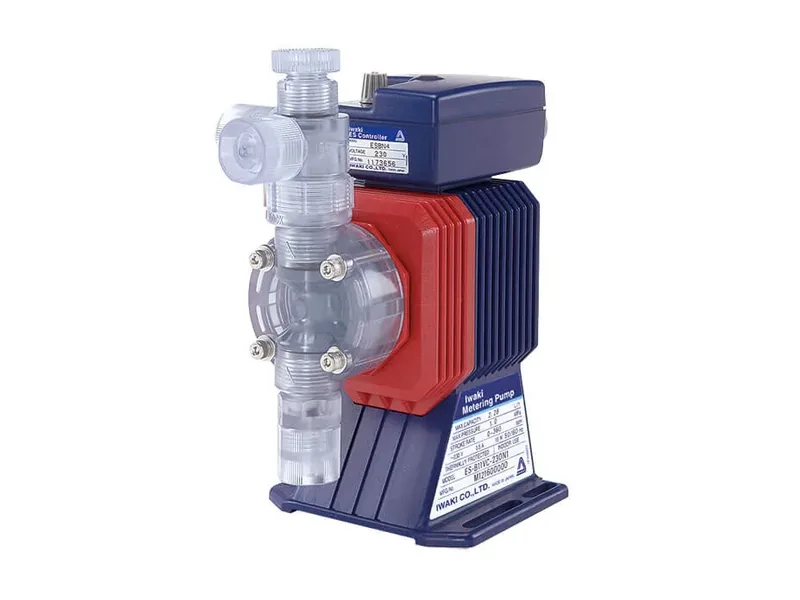
The weakness is also clear. If the process poisons the reference, or if large earth currents run along the pipe or basin wall, the combination reading drifts and buffers no longer agree. When the junction plugs, the whole probe has to be cleaned or replaced. There is no separate diagnostic electrode. Most industrial DULCOTEST pH probes from ProMinent follow this combination layout. Choose them by medium, temperature and thread, not by the word “online” alone. The actuator downstream of the probe is still a metering pump. IWAKI ES series solenoid pumps are often used on a pH control loop; the liquid-end material has to be chosen for the chemical.
Low-conductivity pure water slows the junction and the response. That problem usually needs a pure-water probe or a flow cell. It is not the same problem that a differential pH electrode is meant to solve. Temperature compensation only works if the RTD is actually in the liquid.
What the third electrode on a differential pH electrode actually does
A differential pH electrode typically has three functional parts: the measuring glass, the inner reference, and a third electrode that contacts the process. The transmitter compares the glass against that process ground, and the reference against the same ground, instead of taking a simple two-wire potential. Earth current and part of the common-mode noise are less likely to sit directly on the pH value. If the reference is poisoned, some transmitters raise a diagnostic alarm so the crew can change the probe before the acid or caustic pump runs on a false signal.
A differential pH electrode fits plating rinse, dye houses, rooms full of variable-frequency drives, and old basins whose grounding no one can describe. The probe is often longer or thicker. The cable and the transmitter must accept a differential input. Spares cannot be mixed with ordinary combination probes. The price is typically higher, so there is little reason to fit one on already clean, well-grounded finished water.
The ground element has to touch the process. If it hangs in air or sits behind a gas pocket, the advantage of a differential pH electrode disappears. Shield and earth connections at the transmitter should follow the manual. Do not bond the shield at both ends in a random way. If the PLC analog input is isolated, look at that isolation together with the transmitter earth, or a new loop can appear.
A short checklist before you change styles
Designers and shift crews can walk through these points:
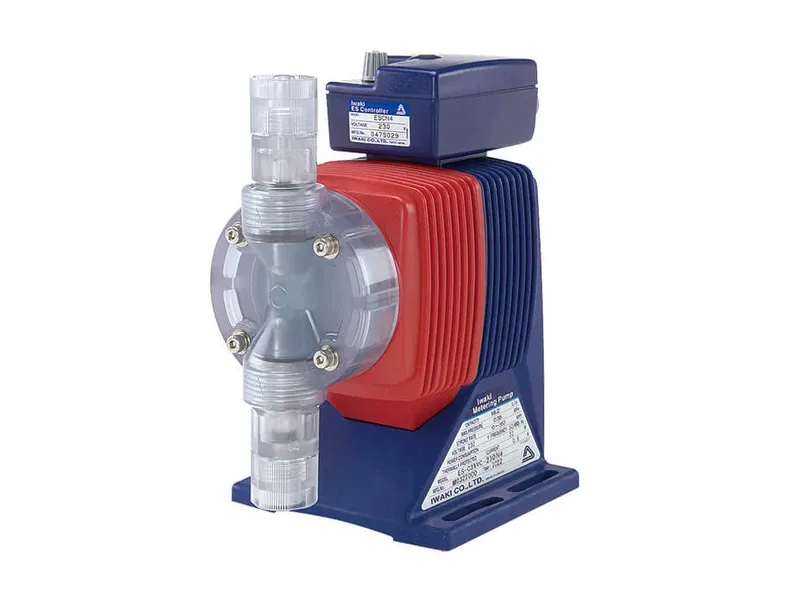
Figure 1: IWAKI ES series. Image source: IWAKI official website
- Will the medium poison or foul the reference quickly, for example with sulfide, metals, oil or a high fluoride load?
- Is the tank and piping earth clear, and are large VFDs or welders nearby?
- Will the insertion length and the sheath of a differential pH electrode fit the existing hole or flow cell?
- Does the transmitter already accept a differential input, or must the loop be replaced as a set?
- Can the storeroom hold two probe families, or should the site stay on one combination standard?
On a dosing loop, the wrong probe style often shows up as a setpoint that will not sit still and a pump that chatters. Control timing is covered in pH dosing system control. System selection is in automatic pH dosing system selection. Product families are listed under pH/ORP instruments and on the ProMinent pages.
Do not reuse combination habits on a differential pH electrode
If a combination probe fails a buffer check, the usual causes are a plugged junction, an aged membrane or a damp cable. Clean or replace it by the maintenance note. If a differential pH electrode alarms on the reference, do not just “recalibrate in buffer” and walk away. Inspect the third electrode and the reference as the manual says. Caps, electrolytes and torque values are not interchangeable. Label the two types separately in the store.
Some crews treat the third electrode as a tank-wall earth bond. That changes the measuring circuit. Others land a combination probe on the three terminals of a differential transmitter. A number appears, but it will not sit still. Both mistakes come from skipping the terminal drawing. Write down the model, the terminal numbers and the shield plan before anyone changes a wire.
Conclusion
A combination probe is simple to install and is enough for clean grounding and a medium that is not hard on the reference. A differential pH electrode adds a process ground, so it handles earth current and reference diagnostics better in noisy or dirty service, but it needs a matching transmitter and its own spares. Choose by the water, the earth and the instrument already on the wall, not by price alone. Send the water quality, the mounting style and the transmitter model, and contact us so we can say whether a combination probe or a differential pH electrode is the better fit.
FAQ
Is a differential pH electrode more accurate than a combination probe?
Not by default. In clean, well-grounded water the two types usually agree after a two-point calibration. The differential pH electrode is there for noise rejection and diagnostics, not to jump a whole accuracy class.
Can I wire a differential pH electrode into my existing transmitter?
Only if the input is built for it. Many two- or three-wire transmitters support only combination probes. A forced connection may lose diagnostics or may not work at all. Plan on a matching transmitter.
Does pure water require a differential pH electrode?
No. Pure water is difficult because conductivity is low and the junction is slow. That usually calls for a pure-water probe or a flow cell. It is a different problem.
If combination probes die quickly, should I switch to a differential pH electrode?
First check poisoning, plugging, mounting and the cable. If the process keeps destroying the reference, or earth current is obvious, then a differential pH electrode is worth a look. Do not change the structure before the cause is known.
Can both types share the same calibration buffers?
Yes, the buffer set is generally shared. Filling solution and cap hardware follow each manual. Do not leave the third electrode of a differential pH electrode in the wrong liquid, and do not force a combination cap onto a differential body.