
Ultrafiltration Chemical Cleaning: CEB Dosing for Chlorine, Acid, Caustic
Ultrafiltration chemical cleaning on most UF plants means the chemically enhanced backwash, or CEB: a normal backwash with sodium hypochlorite, caustic or acid injected at a set concentration, followed by a soak and a rinse. It removes the fouling that a plain water backwash leaves behind. When a CEB system underperforms, the chemistry is rarely the problem. The usual culprits are dosing pumps that are badly sequenced with the backwash pump, concentrations that fall short of target, or acid and chlorine meeting in a shared pipe. This guide is written for UF system designers and plant operators.
Which chemicals does ultrafiltration chemical cleaning use?
Most plants run two CEB recipes and alternate them. The first is sodium hypochlorite, often combined with caustic soda, which targets at organics and biofilm. Surface water and wastewater reuse UF trains depend heavily on it. The second is an acid, typically hydrochloric or citric, which dissolves iron, aluminium and calcium deposits.
Concentration, soak time and frequency for ultrafiltration chemical cleaning should come from the membrane supplier, because membrane materials differ a lot in chlorine and pH tolerance. A useful rule of thumb: if raw water carries a high organic load and transmembrane pressure climbs quickly, schedule chlorine CEBs more often. If the feed has iron and manganese, or upstream coagulation uses iron salts, do not skip the acid CEB.
How the UF dosing pump should work with the backwash pump
A typical sequence for ultrafiltration chemical cleaning looks like this:
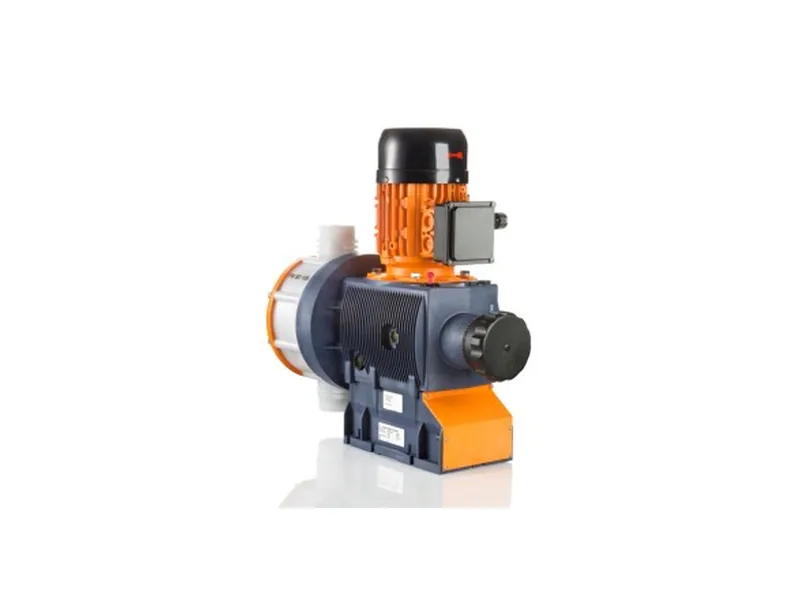
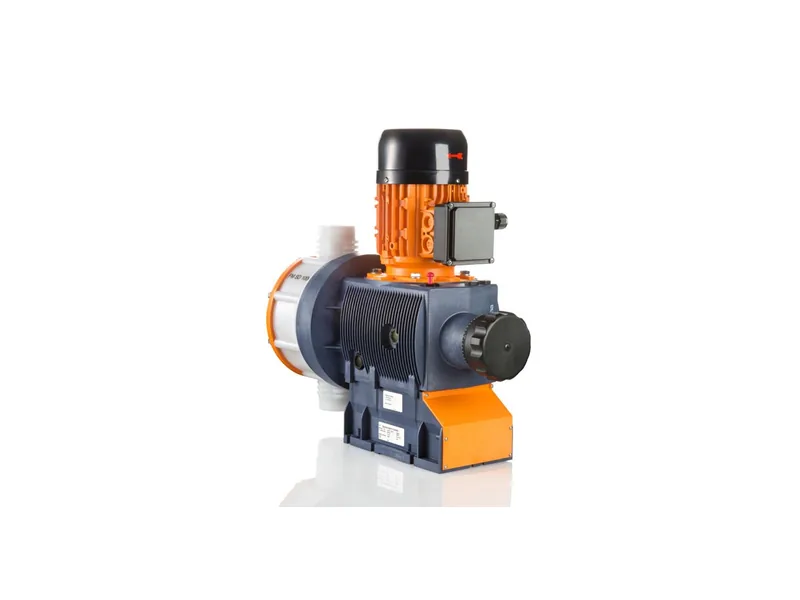
Figure 1: ProMinent Sigma/2 Basic motor-driven metering pump. Image source: ProMinent official website
- Start the backwash pump and wait for stable flow.
- Start the metering pump for the selected chemical, dosing in proportion to backwash flow.
- Stop the metering pump first and let the backwash pump run a few seconds longer to push chemical out of the injection zone and into the module.
- Close the valves for the soak, then backwash normally to rinse out residual chemical.
The order of steps 2 and 3 matters more than people expect. If the dosing pump starts before backwash flow is established, a slug of concentrated chemical builds up in stagnant pipe. If the backwash pump stops first, a pocket of strong chemical sits at the injection point. Both show up on site, and a short PLC delay usually fixes them.
Interlock on a real flow signal, not just a "backwash pump running" contact. A running motor with a closed valve still lets the metering pump inject, and that is a common gap in UF control logic.
Getting ultrafiltration chemical cleaning concentration up to target quickly
The injection window in ultrafiltration chemical cleaning is often only a minute or two, so sizing differs from continuous dosing. Pump capacity equals backwash flow times target concentration, divided by the strength of the stock solution. The answer tends to be large, and the pump only runs at full output for short bursts.
Dead volume matters as much as pump size
In ultrafiltration chemical cleaning, a long discharge line between pump and injection point spends the first part of every cycle just filling up. By the time chemical reaches the backwash water, the CEB is nearly over. Practical fixes:
- Put the injection point close to the module inlet and keep the line short.
- Fit an injection valve so the line stays full between cycles and cannot drain by siphon or take in backwash water.
- Hypochlorite releases gas, so choose a liquid end with a degassing valve and vent it before each run.
Measure, do not assume
When commissioning ultrafiltration chemical cleaning, sample at the module inlet. Check free chlorine during chlorine CEBs and pH during acid or caustic steps. A large gap between calculated and measured values usually points to stroke setting, back pressure or trapped gas.
Keep acid and hypochlorite apart
Acid and sodium hypochlorite react to release chlorine gas. This is the single most important safety rule in ultrafiltration chemical cleaning. Each chemical needs its own metering pump, its own discharge line and its own injection point. Do not merge two lines into one tee to save a nozzle.
Separate the recipes in time as well. Rinse thoroughly after a chlorine CEB before an acid CEB is allowed to start, and write that as an interlock in the PLC. Caustic and hypochlorite can share a line if the chemical supplier confirms the blend is stable. Clear pipe labels and color coding help the next shift see at a glance which line carries acid.
Choosing a UF dosing pump
Small UF skids can usually run on solenoid metering pumps. Larger systems with high backwash flow need more chemical per CEB, and motor-driven diaphragm pumps are the common choice. The ProMinent Sigma/2 Basic, for example, is listed at 50 to 420 L/h with a multi-layer safety diaphragm and an integrated relief valve, which suits short, high-output dosing. See our motor-driven diaphragm metering pumps and the ProMinent range.
For materials, PVDF or PVC liquid ends handle hypochlorite and hydrochloric acid. Caustic brings crystallization issues, covered in caustic soda dosing pump materials and crystallization. Gas-lock prevention for chlorine pumps is explained in sodium hypochlorite dosing pump selection.
Several UF trains often share one ultrafiltration chemical cleaning skid, with one pump per chemical serving each train in turn. Confirm that two trains will not call for a CEB at the same moment, otherwise size the pumps for simultaneous demand.
How this differs from MBR cleaning
MBR membranes sit in mixed liquor and are usually cleaned by reverse-flow injection with longer contact times, as described in MBR chemical cleaning. Pressurized UF uses high backwash flow over a short window, so ultrafiltration chemical cleaning is mostly about speed and sequencing.
Conclusion
Successful ultrafiltration chemical cleaning depends on execution more than chemistry. Dose each chemical separately, size pumps from backwash flow, put sequence and interlocks in the PLC, and verify concentration at the module inlet. Settle injection point location and line length during design and most commissioning headaches disappear. Send us your backwash flow, chemicals and stock concentrations and contact our engineers to check pump sizing and piping.
FAQ
How do I size a UF dosing pump for CEB?
Multiply backwash flow by target concentration and divide by stock solution strength. Add margin, because the pump runs at high stroke for short periods.
Citric acid or hydrochloric acid for the acid CEB?
Follow the membrane supplier first. Hydrochloric acid dissolves iron well but fumes, so ventilate the area. Citric acid is milder and typically needs a larger dose, so size the tank accordingly.
Why is permeate chlorine high after ultrafiltration chemical cleaning?
Start with rinse time. Then check whether the metering pump keeps running after the backwash pump stops. A wrong interlock order lets residual chemical reach the permeate side.
Can one pump alternate between acid and hypochlorite?
No. Residual liquid in the pump head and line reacts with the next chemical and can release chlorine gas, so give each chemical its own pump.
Why does the chlorine backwash pump lose prime?
Usually gas lock. Hypochlorite breaks down into bubbles, especially after long idle periods, so use a degassing liquid end and vent it before dosing.