
Liquid Chlorine vs Sodium Hypochlorite Dosing: Can a Pump Feed Chlorine?
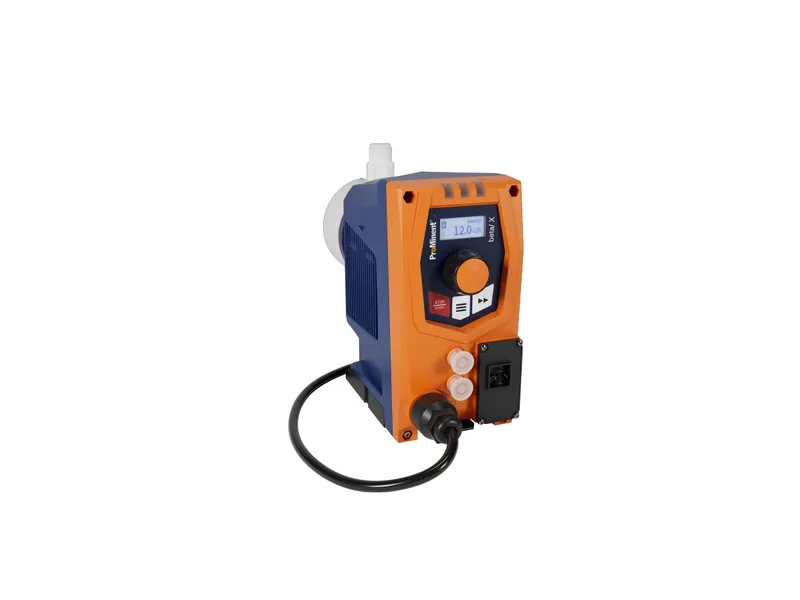
The short answer on liquid chlorine vs sodium hypochlorite dosing: a metering pump skid with a tank is built for sodium hypochlorite solution, and it is one of the most common jobs those skids do. It is not a way to feed liquid chlorine from cylinders or tankers. Chlorine needs its own equipment: cylinder, vacuum regulator, chlorinator and injector. Connecting liquid chlorine to a metering pump gives neither accuracy nor safety. Below we explain the difference for designers and operators at water and wastewater plants.
Liquid Chlorine vs Sodium Hypochlorite Dosing: What Are You Actually Feeding?
Liquid chlorine is chlorine gas liquefied under pressure in cylinders or tankers. Open the valve and it becomes gas, toxic and highly corrosive. Sodium hypochlorite is a water solution, the bleach most operators know, and it stays liquid at normal temperature and pressure; its available chlorine does the disinfecting.
Once in the water, the active species end up similar. Before that point, one is a gas and the other a liquid, so the feed equipment follows two different logics.
Liquid Chlorine vs Sodium Hypochlorite Dosing: Why a Pump Cannot Feed Gas
A metering pump moves a fixed volume of liquid per stroke. Liquid chlorine flashes to gas in the pump head, the diaphragm compresses gas and nothing is delivered. It is the same mechanism as hypochlorite gas lock, only far worse.
Safety is the bigger issue in liquid chlorine vs sodium hypochlorite dosing. A metering pump discharge is under positive pressure, so a leak pushes chlorine gas out into the room. Chlorine feed systems are typically vacuum systems precisely so that a leak draws air in instead of letting chlorine out.
How Chlorine Gas Is Actually Dosed
ProMinent's DULCO®Vaq system is a good example of the gas route. It is a full vacuum system: a vacuum regulator mounted on the cylinder is opened by the vacuum generated in the injector, chlorine is drawn in, control valves set the feed rate and a flow meter shows the gas flow, and the gas dissolves in water in the injector before reaching the dosing point. Larger installations add evaporators, switch-over units, gas detection and emergency shut-off.
So in a liquid chlorine vs sodium hypochlorite dosing comparison, the gas side relies on a chlorinator and injector, with no metering pump and no day tank.
How Sodium Hypochlorite Is Dosed With a Skid
Bleach is a textbook metering pump duty: tank or drum, suction assembly, metering pump, back pressure valve, injection valve, plus level and control. A ProMinent Beta/X solenoid pump is typically paired with a suction assembly whose lower end carries a foot valve with filter mesh; versions with a level switch give an early warning before the drum runs dry and a signal when it is empty.
On the liquid side of liquid chlorine vs sodium hypochlorite dosing, three points need attention. It decomposes and releases gas, so use a degassing head and a properly routed return line. Heat and light speed up decomposition, so shade tanks and pipework. It crystallizes, so clean injection valves and tube ends on a schedule.
Choosing in Liquid Chlorine vs Sodium Hypochlorite Dosing
Chlorine gas fits large doses at plants that already have a dedicated chlorine store, compliant safety management and trained operators. The safety burden is significant.
Hypochlorite fits small and medium plants, sites near housing, or operators who want to remove chlorine gas risk. The equipment is simpler; the trade-offs are converting doses by available chlorine and limiting storage time.
On-site electrolysis is a third route: it generates hypochlorite locally, which is then dosed by metering pump, useful where chemical deliveries are difficult.
Converting From Chlorine Gas to Bleach
Many plants have switched in recent years. When planning the liquid chlorine vs sodium hypochlorite dosing changeover, watch for these points:
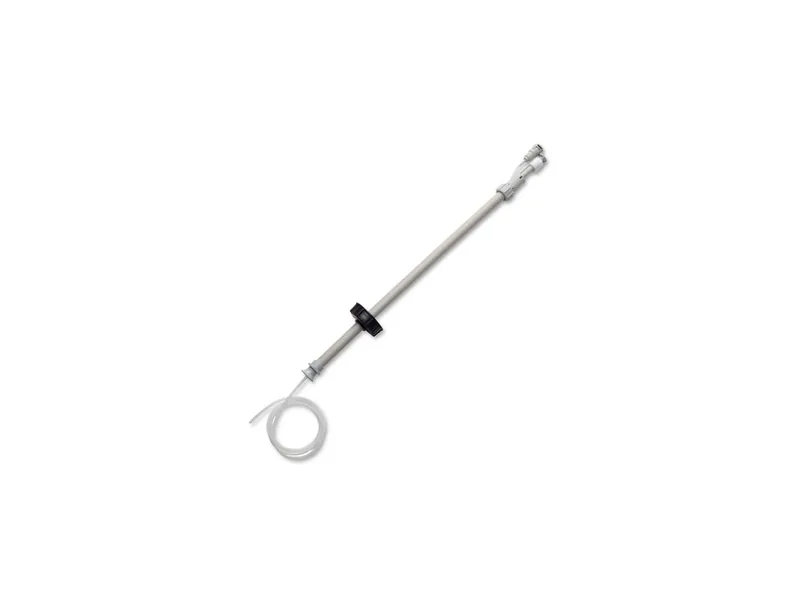
Figure 1: ProMinent suction assembly with level switch. Image source: ProMinent official website
- Recalculate the dose from available chlorine; do not copy the old gas feed settings.
- Existing injection points and residual analyzers can often stay, but piping must be hypochlorite-resistant.
- Size hypochlorite storage around turnover, since available chlorine falls with time.
- Ventilate the dosing room, and keep hypochlorite away from acids; mixing releases chlorine gas.
Some people ask whether bleach can be run through the old chlorinator. It cannot; that equipment is designed for gas.
Conclusion
To settle liquid chlorine vs sodium hypochlorite dosing in one line: a metering pump skid can feed bleach, not liquid chlorine. Bleach dosing needs attention to gassing, shading and crystals; chlorine gas needs a vacuum chlorinator and injector with leak detection and emergency shut-off. Plant size, location and safety capability decide which route fits. For hypochlorite at waterworks see drinking water chlorination with sodium hypochlorite; for room safety see hypochlorite storage safety; for control see online residual chlorine monitoring. Browse dosing skids and the ProMinent brand page, or send us flow, target residual and site conditions and contact our engineers for advice on liquid chlorine vs sodium hypochlorite dosing at your plant.
FAQ
In liquid chlorine vs sodium hypochlorite dosing, is a chlorinator the same as a skid?
Not quite. A chlorinator usually means a gas feed system for chlorine. Some people also call a hypochlorite skid a chlorination unit; ask whether the chemical is a gas or a liquid and the equipment becomes clear.
How do I convert a chlorine gas dose to a hypochlorite dose?
Work from available chlorine. Fix the required available chlorine dose, then calculate solution volume from the actual strength of the delivered hypochlorite, ideally measured on arrival.
Does a hypochlorite dosing room need explosion-proof equipment?
It is not normally treated as a hazardous area, but it needs ventilation, spill containment and separation from acids. Follow the project's safety assessment.
Can chlorine dioxide be dosed with a metering pump skid?
Chlorine dioxide is normally generated on site. Metering pumps feed the precursor chemicals into the generator, and the product solution is then sent to the dosing point. It is a separate system from hypochlorite dosing.
Can a small pool pump handle liquid chlorine vs sodium hypochlorite dosing?
A small solenoid pump can dose hypochlorite for pools or small water systems, but not liquid chlorine. Check flow, pressure and materials against the real duty before choosing.