
Dosing Pump Controller Functions: Pulse, 4-20mA, Alarms and Comms
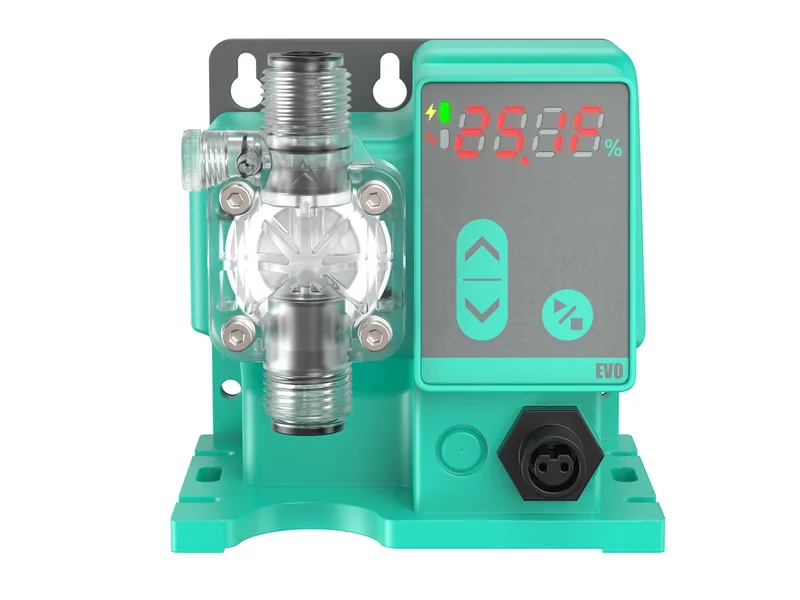
A dosing pump controller answers three questions: how fast should the pump stroke, when must it stop, and how does it tell someone that something is wrong. The usual toolkit is manual speed setting, pulse proportional control, 4-20mA analog control, batch and timer dosing, plus low level alarms, flow monitoring, remote start/stop and a communication port. Few plants need all of it. A manual setting and a low level switch cover many small systems; sites with swinging flows or a PLC in charge need pulse, analog or bus control. This guide is written for skid designers, electrical commissioning staff and buyers.
Dosing modes a dosing pump controller should offer
Manual constant rate
You set a stroke rate on the dosing pump controller keypad and the pump runs at that rate. It suits steady processes, such as boiler makeup that hardly changes or continuous inhibitor feed on a cooling tower. The weakness is obvious: if the water flow changes, the dose does not.
Pulse proportional
The dosing pump controller counts pulses from a contact head water meter or flow meter. One pulse can trigger one or several strokes, or the pump can wait for several pulses before one stroke. More water means more pulses and more chemical. For flow-paced chlorination and potable water disinfection, pulse input is the most practical choice.
4-20mA analog
A PLC or analyzer sends a 4-20mA signal and the dosing pump controller scales stroke rate to it. Motor-driven diaphragm pumps can also take an electric stroke actuator that changes stroke length from the same signal. The NEWDOSE electric stroke actuator, for example, can be set by hand or driven by 4-20mA, supports direct or reverse proportional dosing, and has a zero calibration routine.
Batch and timer
Batch mode delivers a fixed quantity after one start signal and then stops, useful for topping up a make-up tank or charging a reactor. Timer mode runs the pump in set windows, which is how many sites shock-dose cooling tower biocide.
Protection features of a dosing pump controller
Dosing modes decide how to pump. Protection decides when not to pump. Prioritize these:
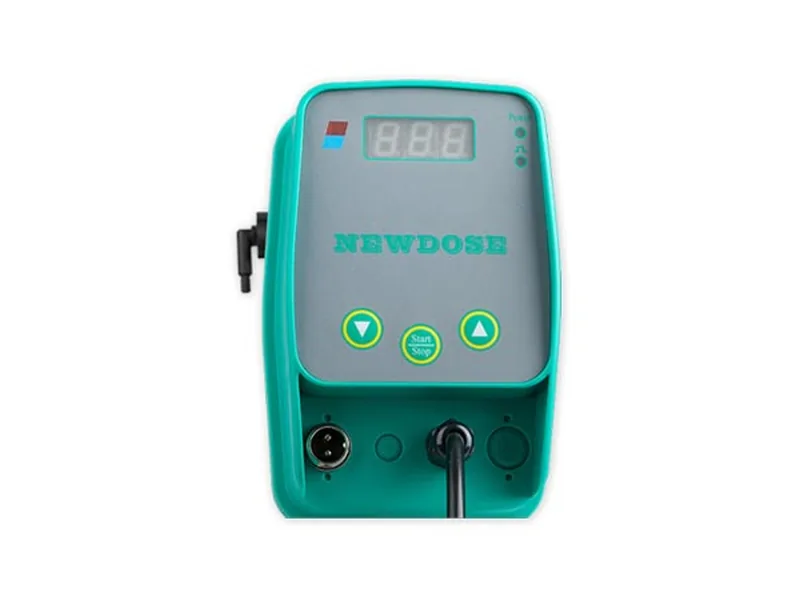
Figure 1: NEWDOSE solenoid diaphragm dosing pump. Image source: NEWDOSE official website
- Low level alarm and stop. A pump that keeps running on an empty tank wears its diaphragm and valves dry and fills the head with air, so you have to prime it again after refilling. Two-stage switches give a warning and then a stop. See our guide to dosing pump low level alarm setup.
- Flow monitoring. A stroking pump is not necessarily a dosing pump. A stuck ball or a suction air leak leaves the drive working while nothing moves. Only a flow sensor or drip detector on the discharge catches it.
- Fault relay. A dry contact sends alarms to the control room so the night shift knows without walking the plant.
- Overpressure stop. Some pumps stop themselves when discharge pressure climbs, for instance when a valve is closed by mistake.
Low level shutdown is the protection most worth having and the one most often left out.
Remote start/stop and dosing pump controller communication
Remote start/stop is a simple digital input. When the main process pump stops, the dosing pump controller stops the chemical feed too, so chemical does not pile up in a dead pipe. Many sites never wire it. Then the main pump goes down for maintenance and the dosing pump keeps feeding all night.
Communication usually means RS485 with Modbus, letting a PLC read status, write setpoints and pick up alarms without a bundle of analog cables. The NEWDOSE Evodose range lists manual, pulse, 4-20mA and RS485 versions in its order code, so pick the right version up front. For wiring logic, read 4-20mA vs pulse control for metering pumps and our comparison of 4-20mA, pulse and RS485 PLC integration.
Built-in or external dosing pump controller?
Work through it in this order:
- One pump and one signal, such as a single meter or a single analyzer output: the built-in controller is enough. Fewer wires, fewer failure points.
- One signal shared by several pumps, or logic like duty/standby rotation and time-of-day dose changes: use an external dosing pump controller or the PLC, and let the pump simply execute.
- If flows, levels and alarms must be shown and logged centrally, choose pumps with comms or an external control panel.
You can browse external units in our controllers category.
The commissioning trap: signal priority
When a controller has both an external stop and a 4-20mA input wired, find out which one wins. We have seen pumps left in manual after commissioning, running at a fixed rate while every external signal was ignored. Another classic is a broken signal wire. The controller reads 0mA; some pumps alarm and stop, others carry on at minimum rate. Test what your pump does on wire break before handover.
Isolate power before working on wiring, and relieve line pressure before opening piping on hypochlorite, acid or caustic service.
Conclusion
A dosing pump controller does three jobs: set the dosing mode (manual, pulse, 4-20mA, batch, timer), protect the system (low level, flow monitoring, fault relay, overpressure) and link to the plant (remote stop, RS485). Small systems run fine on manual plus a level switch, variable flows call for pulse or analog control, and PLC-driven plants should order a comms version. Tell us your signal sources, number of pumps and control room requirements and contact our engineers to confirm the right control version and wiring.
FAQ
Is a dosing pump controller with more functions always better?
No. More functions mean more settings and more ways to get it wrong. Match the controller to the signals you actually have.
Which is more accurate, pulse or 4-20mA?
Both can pace the dose. Pulse maps directly to strokes and is easy to count. Analog depends on signal quality and range settings, so shield the cable and calibrate the span.
Can I pace dosing without a flow meter?
You can approximate it with a 4-20mA signal from the PLC based on how many feed pumps are running, but a pulse water meter is more accurate.
How do you automate a motor-driven diaphragm pump?
Fit an electric stroke actuator driven by 4-20mA, or run the motor on a variable frequency drive. Many skids combine both.
Will the dosing pump controller keep its settings after a power cut?
Most digital pumps keep their settings, but whether they restart automatically or wait for a start command varies by brand. Check the manual and add restart logic in the control circuit if needed.