
Tannery Wastewater Treatment: Chrome, Sulfide and Coagulant Dosing
Successful tannery wastewater treatment depends less on which chemical you buy and more on keeping the streams apart. The tanning drums discharge trivalent chrome. The liming and unhairing beamhouse discharges sulfide and lime. Everything else carries fat, protein, hair, suspended solids and color. Mix them raw and you lose the chrome, and the moment the pH drops, sulfide turns into hydrogen sulfide gas. This article walks through chrome, sulfide and combined effluent dosing for tannery environmental managers and the engineers who design their effluent plants.
Why tannery wastewater treatment starts with segregation
Sulfide-bearing and chrome-bearing streams must be collected and pretreated separately. Spent chrome liquor is acidic; unhairing liquor is strongly alkaline and full of sulfide. Combine them and the pH falls, sulfide converts to H₂S, and the effluent plant becomes a hazard.
Segregation pays off in tannery wastewater treatment in other ways too. The chrome stream is small and concentrated, so precipitating it on its own lets you recover the chrome sludge. A separate sulfide stream makes chemical demand predictable and keeps sulfide away from the biology downstream. What remains is equalized and coagulated as one combined flow.
Chrome removal in tannery wastewater: alkali precipitation
Tanneries use trivalent chrome tanning agents, so chrome removal in tannery wastewater is an alkali precipitation job, not the hexavalent reduction step you see in plating shops. Alkali raises the pH into the range where chromium hydroxide precipitates; the sludge is filter-pressed and redissolved with sulfuric acid for reuse in tanning. The exact pH setpoint should come from bench tests on your own liquor.
Common alkalis are caustic soda, lime and magnesium oxide. Caustic reacts fast and is easy to meter with a diaphragm pump on pH control. Magnesium oxide gives a denser sludge and is forgiving if overdosed. Lime is cheap but gritty and plugs lines. Pace the alkali from a pH signal; see pH dosing system control for probe placement and loop tuning.
Sulfide removal in tannery wastewater treatment: keep it alkaline
Beamhouse sulfide is usually handled one of two ways:
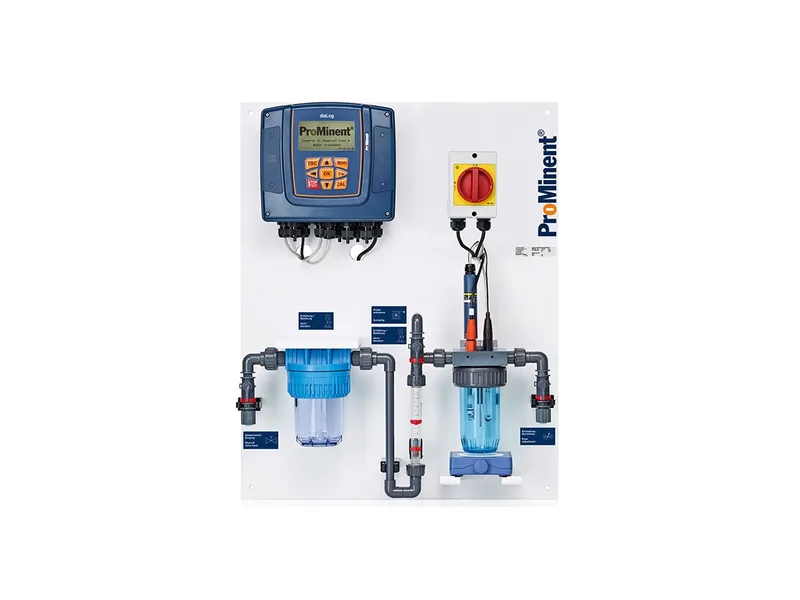
Figure 1: ProMinent DULCOTROL waste water panel. Image source: ProMinent official website
- Catalytic oxidation. Hold the liquor alkaline, add a manganese salt catalyst and aerate to oxidize the sulfide. The pump only handles a mild, low-flow catalyst solution.
- Iron precipitation. Add ferrous sulfate or another ferrous salt to precipitate iron sulfide. Ferrous solution oxidizes and crystallizes, so mix small batches and flush lines regularly; see ferrous sulfate dosing.
Either way, never acidify the sulfide stream to help coagulation. Fit H₂S gas detection and ventilation in the chemical room and around the equalization tank, and test the atmosphere with a standby attendant before anyone enters a pit or trench.
Coagulation before the biological stage
Once chrome and sulfide are pretreated in a tannery wastewater treatment plant, they join the remaining flows in equalization. A typical combined line in tannery wastewater treatment is equalization, coagulation with PAC or polyferric sulfate plus anionic or cationic polymer, then clarification or DAF, then the biological stage. Leather tannery effluent chemicals at this point are mostly coagulant, polymer and acid or caustic for pH trim.
Coagulant and polymer order is reversed surprisingly often in the field; PAC and PAM dosing sequence explains why coagulant goes first. Tannery effluent is loaded with fat and hair, so screens and grease removal ahead of coagulation matter. Without them the floc floats and no amount of chemical clears the water.
Choosing a tannery dosing pump
The chemicals differ too much for one pump type to cover every stage of tannery wastewater treatment:
- Caustic, coagulant and catalyst solutions: motor-driven or solenoid diaphragm metering pumps, with heads in PVC, PVDF or stainless steel to suit the liquid and alkali-resistant valve balls.
- Lime slurry: solids jam standard check valves, so use a recirculating loop with large-bore valves, or a progressing cavity or peristaltic pump. Layout tips are in lime slurry dosing system design.
- Polymer solution: viscous, so use a generous suction line and slower stroke rates.
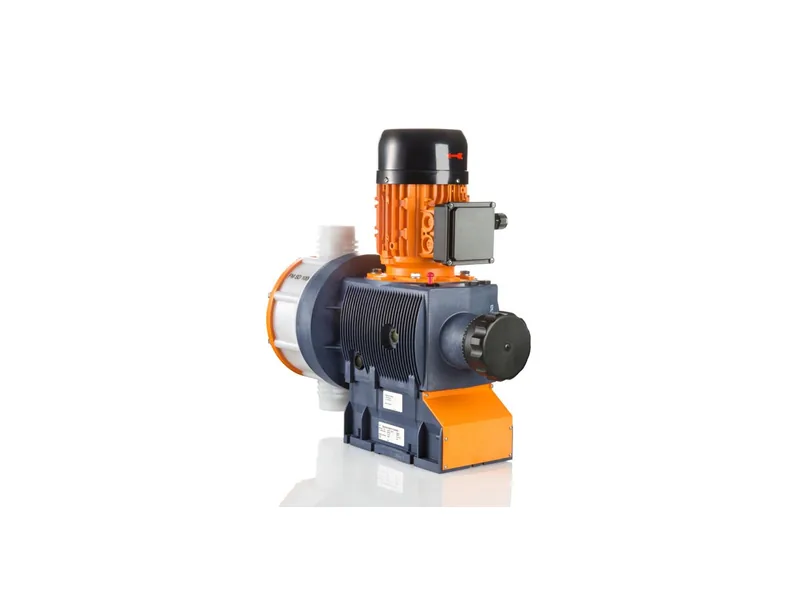
ProMinent Sigma pumps are motor-driven diaphragm metering pumps suited to continuous caustic and coagulant feed, and the ProMinent DULCOTROL waste water panel combines pH measurement and control, which fits closed-loop alkali dosing on the chrome stream. Other models are listed under mechanical diaphragm metering pumps.
Instrumentation for tannery wastewater treatment
Metering pumps in tannery wastewater treatment are only as good as the signals that pace them. The chrome stream needs a pH loop with the probe placed after proper mixing. The sulfide stream benefits from an ORP or sulfide check plus fixed H₂S detectors. The combined line usually runs coagulant flow-paced from an inlet flowmeter, with operators trimming the ratio after daily jar tests. Keep spare probes and a calibration routine; tannery effluent coats electrodes quickly with fat and protein.
Common field mistakes in tannery wastewater treatment
- Chrome and sulfide tanks share an overflow, so a storm or shutdown cross-connects them and releases H₂S.
- The pH probe sits right after the injection point and reads unmixed liquid, making the pump hunt.
- Caustic or ferrous solution crystallizes in winter and jams check valves on the night shift.
- Chrome filter-press filtrate goes back to equalization without anyone monitoring total chrome.
Conclusion
Good tannery wastewater treatment is built on segregation. Precipitate trivalent chrome with alkali and recover the sludge, treat sulfide by catalytic oxidation or ferrous precipitation while keeping it alkaline, then coagulate the combined flow ahead of biology. Each stage needs its own pump selection: diaphragm metering pumps for caustic and coagulant, a clog-resistant design for lime, and H₂S monitoring wherever sulfide is present. Send us flows, chemicals and site conditions, and contact our engineers to put together a dosing package.
FAQ
Does tannery chrome wastewater need a reduction step?
Usually not. Tanning uses trivalent chrome, so direct alkali precipitation works. Reduction is only needed if testing shows hexavalent chrome.
Caustic soda or magnesium oxide for chrome precipitation?
Caustic is easy to meter and reacts fast; magnesium oxide gives a denser sludge and is harder to overshoot. Bench test against your recovery goals and sludge volume.
Can we acidify the sulfide stream before coagulation?
No. Acid releases hydrogen sulfide. Remove sulfide under alkaline conditions first, then combine the stream with the rest of the effluent.
What pump head material suits tannery wastewater treatment chemicals?
PVC or PVDF heads handle most caustic and coagulant duties, and corrosion-resistant plastic heads suit ferrous salts. Always check compatibility at your actual concentration and temperature.
The clarifier effluent stays cloudy. What should we check first?
Check screens and grease removal, then run a jar test on coagulant and polymer dose and order, and finally confirm the pH suits the coagulant.