
Solenoid Dosing Pump Maintenance: Daily, Weekly, Quarterly, Annual

Good solenoid dosing pump maintenance comes down to splitting the work into four layers: a quick look every day, suction and injection checks every week, a valve teardown every quarter, and a diaphragm and seal kit every year. A solenoid pump has no gearbox and no oil, so almost everything that wears out sits in the liquid end and the tubing. This guide is written for operators and maintenance techs running small electronic metering pumps in water treatment, cooling towers and light chemical service.
Why solenoid dosing pump maintenance needs its own checklist
A solenoid pump moves its diaphragm with a magnetic coil, so every stroke is a short, sharp pulse. The weak points are predictable: diaphragm fatigue, crystals on valve balls and seats, coil heat and moisture on the control board. There is no crankcase to check and no eccentric to adjust.
That is why a motor-driven pump checklist does not fit. Plenty of sites put small and large pumps on one inspection sheet, tick the "oil level" box every day, and never look at the degassing valve or the injection fitting. Solenoid dosing pump maintenance should have its own sheet.
Daily checks: two minutes per pump
The daily part of solenoid dosing pump maintenance needs no tools:
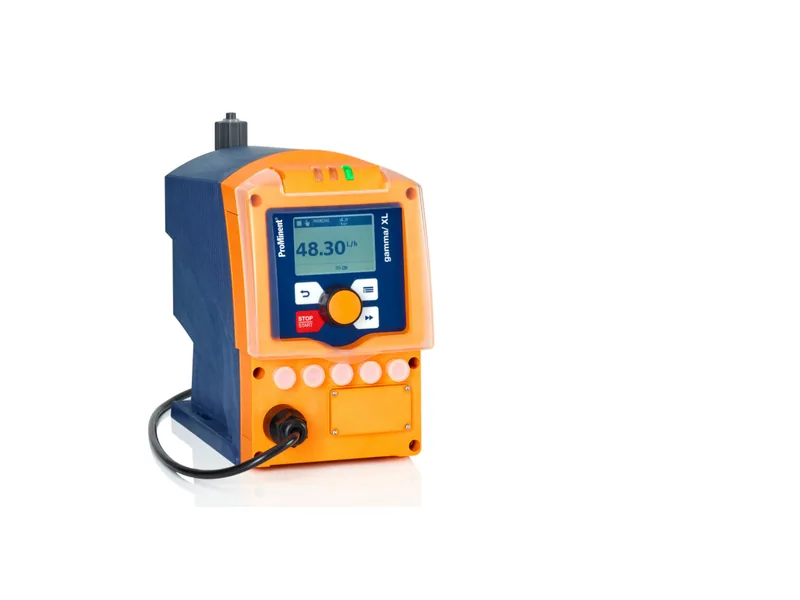
Figure 1: ProMinent gamma/XL solenoid metering pump. Image source: ProMinent official website
- Look at the display or LEDs for alarms and confirm the stroke rate matches the setpoint.
- Look for drips at the pump head, fittings and tubing, and for stains on the floor.
- Listen. A healthy pump clicks at an even rhythm; a dull or irregular sound is worth a note.
- Touch the housing. Warm is normal. Too hot to hold is not.
- Check the tank level so you mix chemical before the low-level alarm trips.
White crust around the pump head is an early leak sign. Sodium hypochlorite and caustic soda leave a dry white film long before you see a real drip.
Weekly solenoid dosing pump maintenance
The weekly round covers both sides of the pump. On the suction side, check that the foot valve and strainer are not blinded, that the tubing has not gone stiff or cracked, and whether strings of small bubbles are running up clear tubing. Bubbles usually mean an air leak on the suction line or a gassing chemical such as hypochlorite or hydrogen peroxide.
On the discharge side, watch the injection valve. It sits in the process line and scales up over time. If the discharge gauge reads higher than usual, the injection fitting is usually starting to plug.
Do a quick drawdown test with a calibration column or graduated cylinder as part of weekly solenoid dosing pump maintenance. If actual output is well off the setpoint, work through the steps in our guide to a solenoid dosing pump that will not prime.
Quarterly preventive maintenance on the liquid end
Quarterly solenoid dosing pump maintenance means stopping the pump. Switch off power, close the isolation valves, relieve pressure in the head and lines, and flush the head with clean water. Wear goggles and chemical gloves with acids or caustic, and keep your face away from fittings as you open them.
Pull the suction and discharge valves, the heart of any solenoid dosing pump maintenance visit. Balls should be round and seats free of scratches and crystals. Soak deposits in a suitable cleaning solution instead of scraping seats with metal tools. A ball with a flat spot or a chipped seat gets replaced, not reused.
On pumps with an automatic degassing valve, clean that valve too. Its passages are small, and once it plugs the pump runs with gas in the head and output slowly drops.
Strip the injection valve at the same time. Its spring and poppet carry the heaviest scale, and a weak spring lets chemical siphon into the line after the pump stops.
Annual wear parts
Annual solenoid dosing pump maintenance is mostly parts. The diaphragm is the main wear item, typically changed once a year or by running hours, sooner with aggressive chemicals or high stroke rates. Our dosing pump diaphragm replacement steps walk through the job.
Replace balls, seats, O-rings and the injection valve spring with it. A full kit costs less than a second shutdown. Swap any tubing that has turned hard or yellow.
After the rebuild, tighten head bolts in a cross pattern to the manual's torque, prime the pump, and recalibrate output.
Solenoid dosing pump maintenance points that get missed
Coil and electronics
Coil temperature depends on stroke rate and ambient heat. A pump in direct sun or a sealed cabinet ages its coil and board faster. Clean dust off the housing and check cable gland seals, especially before the wet season. If the pump is completely dead, check supply and fuse before blaming the coil, as covered in solenoid metering pump repair.
Stroke length
On pumps with a stroke length knob, adjust it only while running. Accuracy suffers at very short stroke lengths, so a longer stroke and lower frequency is usually the better setting.
Long shutdowns
If a pump will sit idle for more than a month, flush the head and lines with water before isolating it. Otherwise chemical crystallizes and glues the balls to their seats.
Example: ProMinent gamma/X
On a pump such as the ProMinent gamma/X, running hours and alarm history can be read from the display, so it makes sense to schedule solenoid dosing pump maintenance by hours rather than by calendar. Spare kits and intervals vary by model, so follow the operating manual. You can compare models on our solenoid metering pump page and the ProMinent brand page.
Conclusion
Solenoid dosing pump maintenance works best in four tiers: daily visual checks, weekly suction, injection and output checks, quarterly valve and degassing valve cleaning, and annual replacement of the diaphragm and wear kit. Coil cooling, stroke length setting and flushing before long shutdowns are the three solenoid-specific habits that save the most trouble. Send us your pump model, chemical and running hours, and contact our engineers for a maintenance schedule and spare parts list.
FAQ
Do I need to stop the pump for solenoid dosing pump maintenance?
Not for daily and weekly checks. Quarterly valve work and the annual diaphragm change require power off, isolation and pressure relief first.
Should I replace a diaphragm that has not failed yet?
Yes, at the planned interval. Fatigue builds slowly, and when a diaphragm finally tears, chemical can reach the drive side and cause damage that costs far more.
Can I clean crusted valve balls with hot water?
It depends on the chemical and the valve material. Some plastic parts do not tolerate heat, so soaking in a compatible cleaning solution is the safer choice.
Is a hot pump housing normal?
Warm is normal. If it is too hot to hold, check for a very high stroke rate, high ambient temperature or poor cabinet ventilation before suspecting the coil.
How many spare parts should I keep?
At least one wear kit per pump with diaphragm, valve balls, seats and O-rings. Sites with many identical pumps can stock kits in proportion to the fleet.