
Wastewater Chemical Feed Maintenance Plan: Tiers, Spares and Records
A wastewater chemical feed maintenance plan comes down to four things: rank your dosing equipment by how critical it is, set service intervals for each rank, keep the critical spares on the shelf, and record every job. Then decide which work goes to the manufacturer. Done well, most failures get fixed during planned downtime instead of at 2 a.m. when a phosphorus removal pump stops and effluent drifts out of compliance. This guide is for maintenance supervisors and shift leads at municipal and industrial treatment plants running coagulant, polymer, carbon source and disinfection systems.
Start with an equipment register
Many plants never finish their wastewater chemical feed maintenance plan because nobody knows exactly what is installed. Walk the chemical building and list each system: bulk tank or day tank, mixer, metering pumps, back pressure and relief valves, pulsation dampers, calibration columns, flow meters, level sensors, valves and piping, control panel, plus the pH or chlorine analyzers tied to it. Record model, wetted materials, commissioning date and injection point.
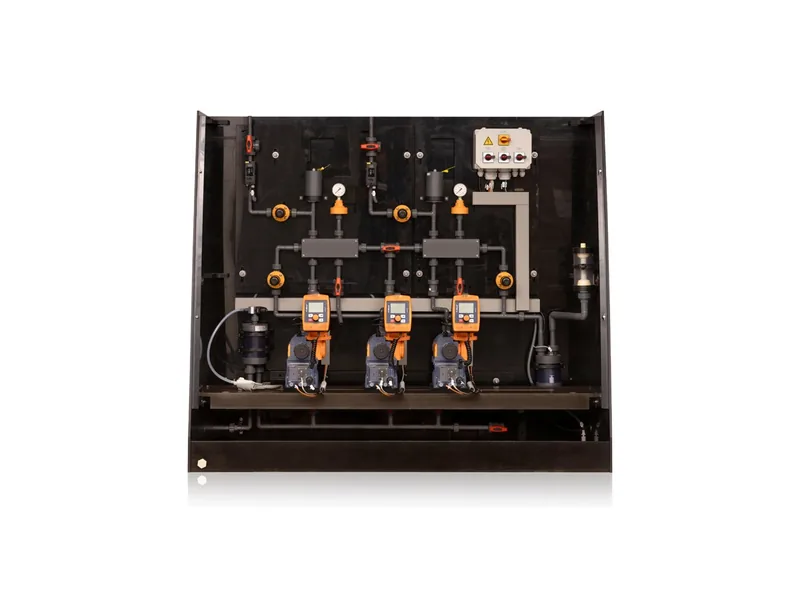
Take a panel-mounted skid such as the ProMinent DULCODOS panel. One board carries several solenoid metering pumps, pressure gauges, dampers, a calibration column and drain lines. It looks like one unit, yet each pump needs its own record. Otherwise nobody can tell which pump got a new diaphragm last spring.
Ranking equipment in a wastewater chemical feed maintenance plan
Not everything deserves the same effort. Rank by what happens when it stops:
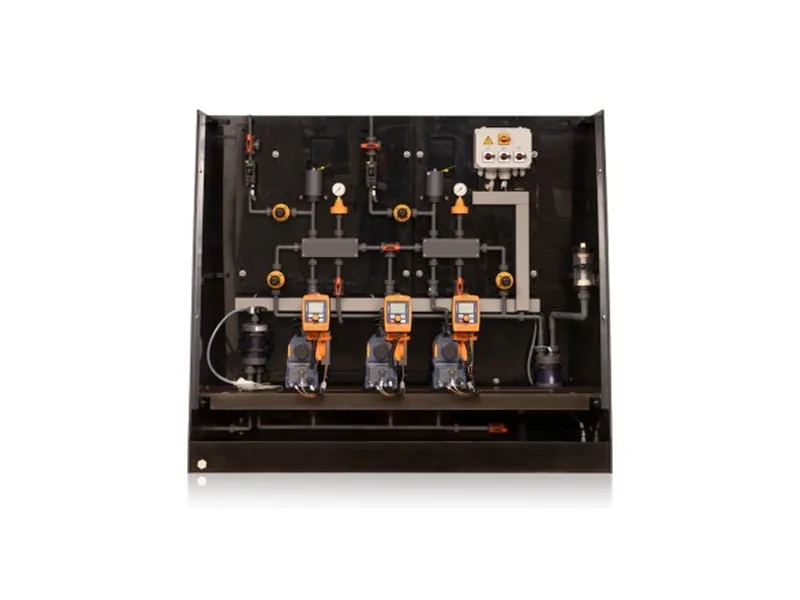
Figure 1: ProMinent DULCODOS panel metering system. Image source: ProMinent official website
- Tier A: a failure directly threatens permit compliance or safety. Think phosphorus removal pumps, effluent disinfection pumps, sodium hypochlorite storage. These run duty/standby, get the most frequent service and have spares in stock.
- Tier B: there is some buffer before process impact, such as carbon source feed or a polymer make-up unit. Planned service, wear parts on hand.
- Tier C: support items like flushing valves or ventilation. Run to failure and check on rounds.
Write the reasoning into the wastewater chemical feed maintenance plan so the next supervisor understands it. For sizing standby capacity, see wastewater dosing pump redundancy.
Setting service intervals in the wastewater chemical feed maintenance plan
Use three layers. Operators handle daily rounds: tank levels, pump noise, gauge readings, leaks and crystal buildup. Maintenance staff handle scheduled service: calibration checks, cleaning strainers and foot valves, inspecting check valves, changing gear oil on mechanical diaphragm pumps. The annual overhaul, usually timed for a low-load season, covers diaphragms, valve balls and seats, and analyzer calibration.
Task lists for a single pump are in our dosing pump maintenance schedule. At plan level, the chemical sets the interval. Hypochlorite crystallizes and off-gasses, so its valve assemblies need checking more often than a PAC line. Polymer solution is viscous and blocks strainers faster. Expect different intervals for different systems at the same plant.
Stocking dosing equipment spare parts
In any wastewater chemical feed maintenance plan, spares are the first item cut from the budget and the most common reason a short outage becomes a long one. Tier A wear parts belong in the storeroom, not on a purchase order.
Typical stock includes diaphragms, valve balls and seats, O-rings, foot valves, injection valves, back pressure valve diaphragms, and a spare control board for solenoid pumps or oil seals for motor-driven units. Imported parts can have long lead times, so base quantities on lead time and replacement history. Our metering pump spare parts list helps you match parts to models.
A trap we see often in a wastewater chemical feed maintenance plan: the spare arrives in the wrong material. The hypochlorite pump uses PVDF seats, but the shelf holds PP ones, which fail quickly in that service. Check material and model against the register when parts come in, and label each bag with the pump tag.
Records that actually help
In a wastewater chemical feed maintenance plan, good records answer three questions: when was this unit last serviced, what was replaced, and is the time between failures getting shorter? Keep one card or digital file per asset with date, task, parts used, calibration result and technician.
After six months the patterns show up. One pump eats diaphragms faster than its twin, which usually points to back pressure or chemical strength. One injection quill keeps plugging, which suggests a poor location. Records turn a wastewater chemical feed maintenance plan from paperwork into a diagnostic tool.
What to outsource
Split in-house and contracted work by skill and risk. Diaphragm changes, valve cleaning and calibration checks are fine for trained staff. Hydraulic diaphragm pump overhauls, PLC program changes, tank internal inspection and lining repair generally go to the manufacturer or a specialist contractor.
For outsourced work, the wastewater chemical feed maintenance plan should spell out scope, response time, what the site prepares in advance and acceptance criteria. Book the annual overhaul visit early.
Safety note: before opening any hypochlorite, acid or caustic line, stop the pump, close isolation valves, relieve pressure and drain. Wear a face shield and chemical-resistant gloves, and keep flushing water nearby.
Conclusion
A wastewater chemical feed maintenance plan rests on five parts: a complete register, criticality tiers, intervals tuned to each chemical, stocked spares, and records you actually review, with specialist work handed to the manufacturer. Tier A equipment gets standby units, shelf spares and the tightest schedule. If you need standby pumps, a complete chemical dosing skid or help matching ProMinent spare parts, send us your equipment list and contact our engineers.
FAQ
Does a small plant need a wastewater chemical feed maintenance plan with tiers?
Yes, in a simpler form. Even with two or three pumps, identify which one causes a violation if it stops and protect that one first.
How often should diaphragms be replaced?
Follow the manufacturer's manual and run hours; most plants change them at the annual overhaul. Early failures point to back pressure or chemical strength issues.
Paper or digital records?
Either works if you can search them. Larger plants usually prefer digital files because failure intervals are easier to track.
Does a standby pump need maintenance if it rarely runs?
Yes. Rotate duty and standby on a regular basis. Valve balls in an idle pump can stick, and the pump may not deliver when you need it.
If service is outsourced, what does the operations team still do?
Daily rounds and records stay in-house. Before the contractor arrives, prepare fault descriptions and the asset history.