
Metering Pump Repair Case Study: From Symptom to Root Cause
This metering pump repair case study walks through four failures we see again and again in water treatment and chemical plants, each written as symptom, checks, root cause and fix, so you can stop swapping parts and fix what is actually wrong. Most repairs start with a guess, and a wrong guess costs another day of downtime. None of these is a specific customer story; they are composites of common field cases. The point is simple: find the root cause before you pick up a wrench. It is written for maintenance supervisors and operators.
How to read a metering pump repair case study
"Not pumping" might mean air is leaking into the suction line, a valve ball is stuck in crystals, or the control signal is not reaching the pump. A symptom only tells you where to look; a few measurements find the root cause.
We generally work outside-in and simple-first: power and signal, tank level and suction line, discharge pressure, and only then the pump head. For a step-by-step checklist, see our guide to a mechanical diaphragm pump not dosing. The cases below focus on the calls that are easy to get wrong.
Metering pump repair case study 1: new diaphragm, still no output
Symptom: a mechanical diaphragm pump stopped dosing. The technician fitted a new diaphragm. The motor ran, but nothing came out.
Checks: a clear tube on the head outlet showed liquid moving back and forth with each stroke. The suction tube had a string of bubbles in it, and a PVC hose fitting showed traces of chemical weeping out.
Root cause: an aged seal on the suction fitting let air in on every suction stroke. A pocket of gas sat in the pump head. Gas compresses, so the diaphragm just squeezed and released that bubble, and the valve balls did not lift. The original diaphragm was fine.
Fix: replace the fitting seal, open the bleed valve and purge the head. Output came straight back. Lesson from metering pump repair case study 1: decide first whether the pump cannot draw liquid in or cannot push it out.
Metering pump repair case study 2: flow drops a little every month
Symptom: the plant struggled to hit its target dose. Operators kept raising stroke length to almost 100% and it was still short.
Checks: a 60 second calibration column test showed flow well below the stroke setting. Discharge pressure was normal and the suction side was tight. When the discharge check valve came apart, the seat had a ring of white scale and the ball surface was rough.
Root cause: chemical crystallizing on the seat kept the ball from sealing. Part of every stroke leaked back into the pump chamber. The leak grows slowly, so flow fell month by month.
Fix in metering pump repair case study 2: clean the seat, fit new ceramic or PTFE balls, and add a clean water flush after shutdown. For more on drifting output, see metering pump unstable flow causes.
The trap in metering pump repair case study 2
Turning up the stroke only delays the repair. By the time 100% stroke cannot cover the loss, the seat usually needs replacing.
Metering pump repair case study 3: the discharge line shakes
Symptom: after a new dosing line was commissioned, the discharge gauge needle swung hard, the pipe vibrated near its clamps, and a flange later started to weep.
Checks: the discharge run was long with several elbows, there was no pulsation damper, and the back pressure valve was set low.
Root cause: a reciprocating pump delivers in pulses, and the liquid column in a long line accelerates and decelerates with every stroke. With nothing to absorb it, the pipe shakes and joints work loose.
Fix: install a pulsation damper close to the pump head, reset the back pressure valve and add pipe supports. Gauge swing dropped sharply. This metering pump repair case study is a reminder that the pump is often fine and the piping is not.
Metering pump repair case study 4: a solenoid pump keeps tripping
Symptom: a ProMinent gamma/X solenoid metering pump kept stopping on alarm. After a reset it would run for a while, then stop again.
Checks: the alarm log pointed to the low-level input on the suction lance. When the tank mixer ran, the liquid surface moved and the float bounced around its switch point.
Root cause: nothing was wrong with the pump. The low-level point sat too close to the normal operating level, and mixer turbulence kept triggering it.
Fix: lower the switch point, add a delay of around 5 to 10 seconds to the level signal, and fit a stilling tube if needed. Metering pump repair case study 4 shows that an alarm is not proof of a pump fault.
Lessons from each metering pump repair case study
Put the four examples side by side and a few rules stand out:

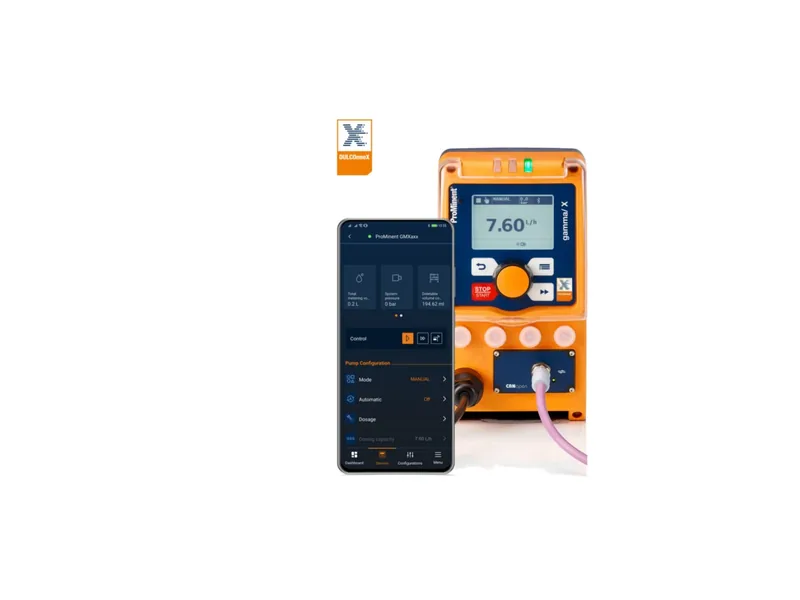
Figure 1: ProMinent gamma/X solenoid metering pump. Image source: ProMinent official website
- Watch how the symptom changes. Sudden loss of flow usually points to air, blockage or power. Slow decline usually points to wear or crystals.
- Measure before you decide. Calibration column, pressure gauge and motor current readings beat listening to the pump.
- Change one thing at a time. Swap three parts at once and you will not know which one fixed it.
- Record the root cause. A repair note that says what was found saves the next person a teardown.
Safety first: stop the pump, isolate power, close the valves and relieve pressure before opening a head. With acids, caustic or hypochlorite, wear goggles and gloves.
Conclusion
Every metering pump repair case study here makes the same point: fix the cause, not the symptom. No output: separate suction problems from discharge problems. Slow flow loss: check seats and crystals. Line vibration: check the damper and back pressure. Repeated alarms: rule out external signals first. For replacement pumps and spares, browse our metering pump range and ProMinent metering pumps. If a fault on your site still has no clear root cause, send us the pump model, chemical and symptoms and contact our engineers.
FAQ
Does a pump that will not dose have a broken diaphragm?
No. A ruptured diaphragm usually shows up as leakage at the leak detection port. Air leaks on the suction side, gas lock in the head and stuck valve balls are typically more common.
How do I confirm flow is back after a metering pump repair?
Measure it with a calibration column or by weighing a timed run. Seeing liquid come out is not enough, because a 10% or 20% shortfall is invisible by eye.
How often should valve balls and seats be replaced?
It depends on the chemical and how many strokes the pump runs each day. Crystallizing or abrasive chemicals need more frequent changes. Base the interval on measured flow trends rather than waiting for total failure.
Can I bridge the level alarm to keep the pump running?
We would not. The low-level input stops the pump running dry. Bypass it and an empty tank turns a small issue into a major repair.
What should a repair record include?
The symptom, the readings taken, the root cause and the parts replaced. After a few entries you can see which pump and chemical cause the most trouble.