
Solenoid Metering Pump Repair: Board, Coil and Power Checks
After a thunderstorm, several solenoid pumps go dark at once. Or a leak in the chemical room sends water over a pump, it gives off a puff of smoke and never runs again. The question is always the same: can it be fixed? In most cases solenoid metering pump repair is possible, but first you need to know which part has failed.
A solenoid pump has three main electrical sections: the power supply, the control board and the solenoid coil. Where the damage sits decides the repair method and the cost.
What kind of "burnt" is it?
On site, "burnt" can mean several different faults:
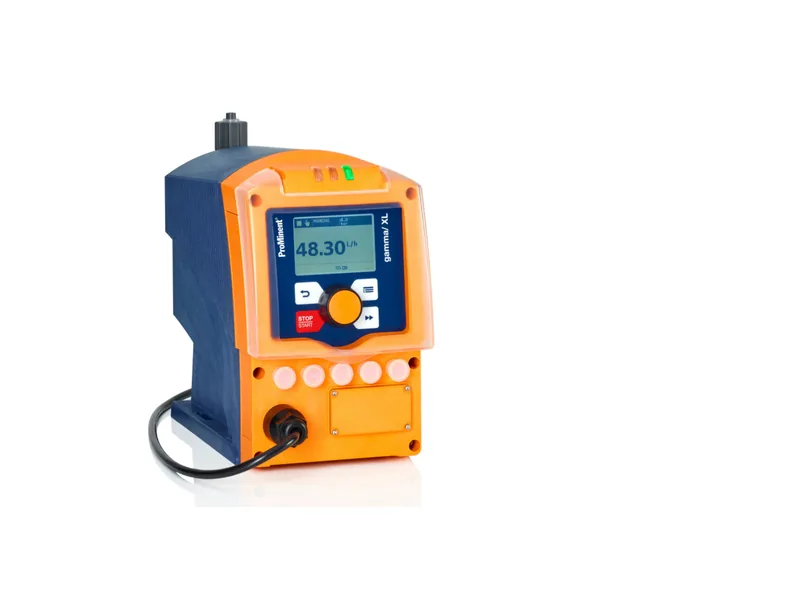
Figure 1: ProMinent gamma/XL solenoid metering pump. Image source: ProMinent official website
- Completely dead: no display, no LEDs. Suspect supply, fuse or power section.
- Display works but no stroke: no clicking sound. Suspect the coil or its drive circuit.
- Smoke or burning smell: usually a board component or coil insulation has failed.
- Intermittent: poor contact, damp, or a component close to failure.
Describe the symptom clearly first. Any service engineer will ask about it before discussing solenoid metering pump repair.
First checks on site
Every solenoid metering pump repair starts with the simple things. Isolate the supply and wait a few minutes for capacitors to discharge before opening the terminal box.
Power supply
Measure supply voltage and confirm it is within the pump's range. Look for loose or blackened terminals. Many "burnt" pumps turn out to have a blown fuse or a loose wire. See solenoid metering pump wiring for typical connections.
Fuse
Some models have a fuse on the power board. If it is blown the pump is completely dead. If a new fuse of the same rating blows immediately, there is a short further on, so stop replacing fuses.
Coil
Disconnect the coil from the board and measure its resistance. Zero or very low means shorted turns; infinite means an open circuit. Ask the manufacturer for the correct value. Also test coil-to-housing insulation with a megohmmeter.
Control board
For solenoid metering pump repair at board level, look for blackened areas, bulging capacitors, cracked components, and signs of water or corrosion.
Control board repair
The control board is where most failures occur and where most solenoid metering pump repair work is done. Typical damage includes:
- Rectifier, varistor or switching transistor destroyed by a surge.
- Failed power transistor driving the coil.
- Corrosion of tracks and components after water ingress.
There are two approaches. Replacing the whole board is fastest and most reliable. Component-level repair is cheaper but needs an experienced technician, and long-term reliability is harder to predict. Most international brands supply only complete boards.
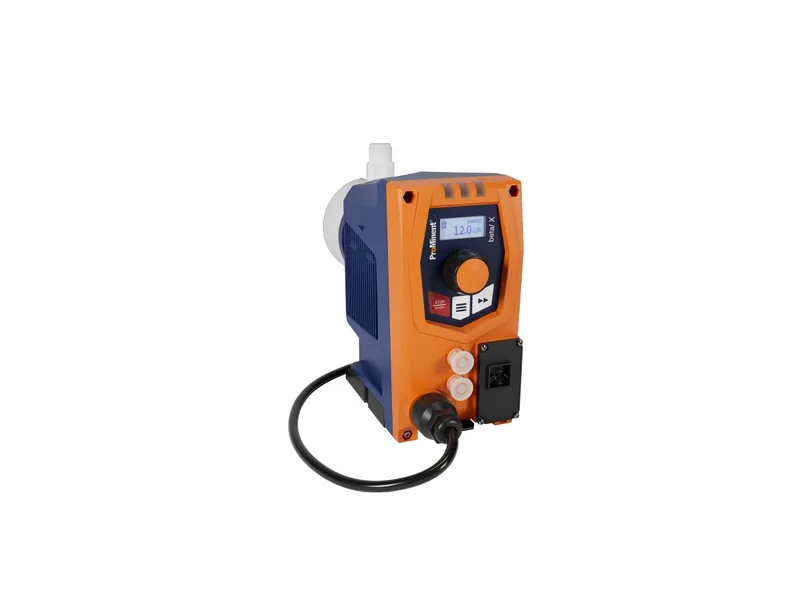
On pumps such as the ProMinent beta/X, the control unit and drive are an integrated design, so factory repair or a module exchange is usually recommended. See ProMinent spare parts.
Can a burnt coil be repaired?
Rewinding a solenoid coil is not recommended as a solenoid metering pump repair method. Turns, wire gauge and insulation class must match the original closely, and a rewound coil rarely does. Stroke force and heating both suffer.
Some models allow the coil or magnet unit to be replaced on its own; others need the complete drive end. Send the nameplate details to the manufacturer to confirm.
Solenoid metering pump repair or replacement?
Solenoid metering pump repair always comes down to a cost decision:
- Only a fuse, terminal or varistor has failed: repair, quickly and cheaply.
- Board failed and an original board is available: replace the board and keep the head and housing.
- Both coil and board damaged, or heavy corrosion inside: a new pump is usually better value.
- Old pump, discontinued model, spares hard to find: move to a current model.
Board exchanges and factory repairs take time, so continuous processes should keep a standby pump.
Before sending a pump for repair
- Photograph the nameplate and note model, serial number and voltage.
- Record settings such as stroke length, frequency and external control mode.
- Photograph the wiring for reassembly.
- Flush the liquid end so the repairer does not handle chemical.
If the display still works, read the alarm code first; solenoid pump F display meaning helps point you in the right direction.
Why pumps burn out and how to prevent it
Solenoid metering pump repair is wasted effort if the cause stays in place. Typical causes:
- Lightning and surges: common outdoors and on weak grids. Fit surge protection.
- Water and damp: pumps in splash zones or with poorly sealed terminal boxes. Add covers and seal cable glands.
- Wrong voltage: check supply before energising.
- Long-term overheating: high back pressure, maximum frequency and poor ventilation shorten coil and board life.
- Frequent mains switching: use the external stop input instead.
Planning spares
On sites with many solenoid pumps of the same model, a spare control board or complete drive unit on the shelf turns a week of downtime into an hour. Keep a simple record of each solenoid metering pump repair: date, symptom, part replaced and likely cause. Patterns such as several board failures after storms show where surge protection or better sealing will pay back fastest.
Conclusion
Most burnt solenoid pumps can be repaired. Start by classifying the symptom: dead, display without stroke, or smoke and smell. Then check supply, fuse, coil and control board in that order. Boards are normally replaced as a unit, and coils should be replaced with original parts rather than rewound. Base the repair-or-replace decision on how much is damaged, the age of the pump and spare availability. Successful solenoid metering pump repair also means removing the cause: surges, water, wrong voltage and overheating.
For solenoid metering pump repair or replacement boards, contact our service team.
FAQ
A completely dead pump means a burnt board, right?
Not necessarily. Check supply, terminals and fuse first. Often it is one of those.
The new fuse blew straight away. What now?
There is a short circuit. Stop replacing fuses and check the board and coil.
Can a local workshop rewind the coil?
Not recommended. A rewound coil rarely matches the original, affecting stroke force and heat.
Can a pump that got wet be dried and reused?
Test insulation and inspect the board for corrosion first. If corrosion is visible, do not reuse it.
How do I protect pumps from lightning damage?
Fit surge protection on the supply, earth the system properly and run outdoor cables in conduit.