
SEKO Dosing Pump Spare Parts: Pump Head, Valves, Diaphragm Kit
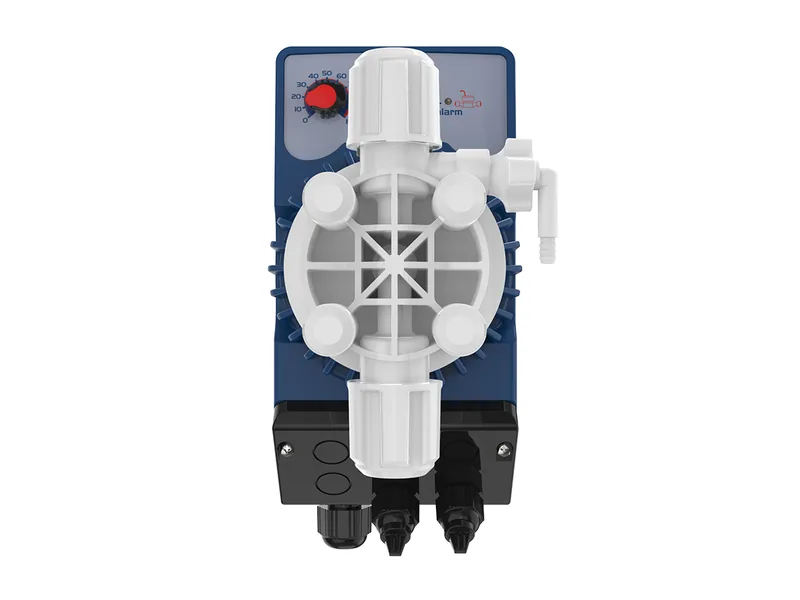
Ordering the right SEKO dosing pump spare parts depends on two things: the full model code on the nameplate and the chemical you are pumping. Pump head material, valve balls and seals all need to suit the chemical, and the size has to match the pump. Get either one wrong and the new part will not last. This guide to SEKO dosing pump spare parts uses the Kompact and Tekna solenoid pumps as examples and works through one group at a time.
Start With the Model Code
The wetted-end materials of SEKO dosing pump spare parts are written into the model code. On a Tekna coded AKL 603 N H P 0 800, the H means PVDF pump head, ceramic valve balls and PTFE diaphragm. The P refers to the PVDF installation kit, and the 0 means FPM seals; a 1 in that position would mean EPDM.
So when you order SEKO dosing pump spare parts, send the whole code to your supplier, not just "a head for a Tekna 803". Two pumps of the same size can carry different seal materials, and the wrong one will leak.
SEKO Dosing Pump Spare Parts: Pump Head Options
The standard head on Tekna and Kompact pumps is PVDF. SEKO lists a PVDF-T head on the Kompact with PVDF as an option, and the Tekna TPG is also offered with an AISI316L stainless steel head. As a rough guide:
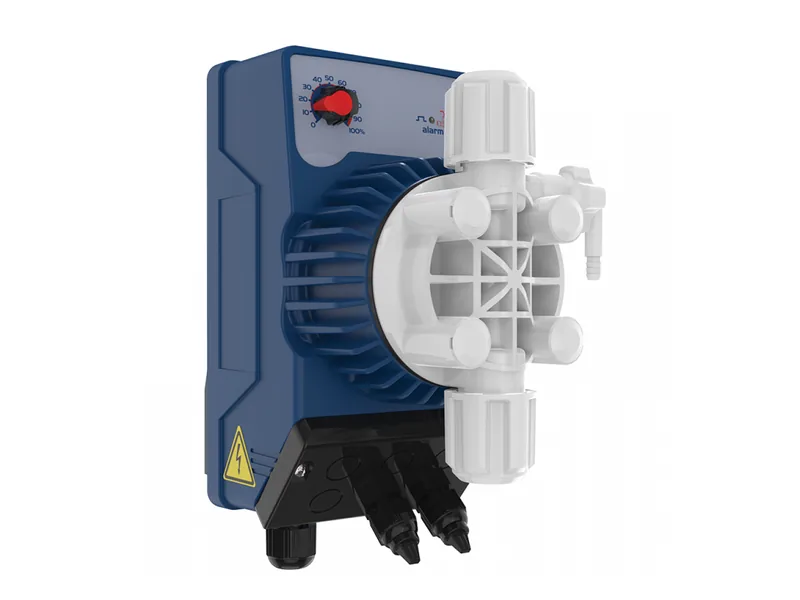
Figure 1: SEKO Kompact dosing pump head. Image source: SEKO official website
- For sodium hypochlorite, hydrochloric acid and sulfuric acid, PVDF is usually a good fit.
- For solvents or chemicals that swell plastics, check compatibility separately; 316L may be the better choice.
- For slurries or chemicals that crystallize, look at the valve design as well as the head material.
The pump head is not normally a wear item. It gets replaced after chemical attack, freezing, or a crack from over-tightened bolts. A wider material comparison is in our guide to corrosion-resistant pump head materials.
Valve Balls, Seats and Seals
Valve parts are the SEKO dosing pump spare parts that get changed most often. Tekna and Kompact pumps come with ceramic valve balls, which typically hold up well to wear and to most chemicals. Once the seat or ball surface is scratched or crusted, flow drops and the pump struggles to build pressure.
Seals come in FPM or EPDM. FPM (fluoroelastomer) generally handles acids and most oxidizers better, while EPDM tends to suit caustics and some specific chemicals. A seal in the wrong material usually swells, hardens or cracks, and starts to weep within a few weeks.
When to Replace SEKO Dosing Pump Spare Parts in the Valves
You do not need to wait until the pump stops completely. Open the valves when output at the same setting has clearly dropped, when the pump will not draw after bleeding, or when discharge pressure will not rise. Rinse the parts, soak heavy crystal deposits in a suitable solvent, and replace any ball with pitting.
SEKO Dosing Pump Spare Parts: The PTFE Diaphragm Kit
SEKO solenoid pump diaphragms are made of solid PTFE, and SEKO's brochure states a diaphragm life of more than 5 years. Real life depends on the chemical, back pressure and daily running hours, so a pump that runs at full stroke rate against high pressure all day will typically need one sooner.
A diaphragm is one of the SEKO dosing pump spare parts worth keeping on the shelf. Replacement steps are covered in our SEKO diaphragm replacement guide. Quote the model code here too, as diaphragm diameter changes with pump size.
Foot Valve, Injection Valve and Tubing
The standard installation kit includes a PVDF foot valve with strainer, a PVDF injection valve with G3/8" or G1/2" thread, 4 m of PVC suction tubing and 2 m of PE discharge tubing. Kompact pumps use 4/6 mm tubing, and SEKO offers a PVDF-T installation kit for the TPG on request.
These SEKO dosing pump spare parts behave like consumables. Foot valve strainers block with debris, injection valve tips scale up, and old PVC suction tubing hardens and lets in air. You can find fittings in our dosing accessory range.
Checking the Pump After Fitting New Parts
Fitting new SEKO dosing pump spare parts is only half the job. Tighten the head bolts in a cross pattern over two or three passes, since uneven force can distort a PVDF head. Open the bleed valve and run at a higher stroke rate until chemical flows without bubbles.
Then collect output for one minute, convert to L/h and compare with your record from before the repair. Low output usually points to a valve ball fitted the wrong way, a seal not seated, or crystals left in a seat. Check bolts and fittings again after a day or two, as new seals can settle.
A Practical Shelf Kit
A sensible stock of SEKO dosing pump spare parts is one valve kit (balls, seats and seals), one diaphragm, one injection valve and one foot valve, plus a few meters of matching suction and discharge tubing. On critical duty or aggressive chemicals, hold more. A generic checklist is in our metering pump spare parts list, and the full product line is on our SEKO brand page.
Conclusion
Choosing SEKO dosing pump spare parts comes down to three steps: read the model code to confirm head, ball, seal and diaphragm materials; check chemical compatibility so FPM and EPDM are not mixed up; then size your stock to the cost of downtime. Heads are rarely changed, while valve kits, diaphragms, injection valves and foot valves do most of the work. Send a nameplate photo and the chemical name through our contact page and we can help confirm part numbers.
FAQ
Do SEKO parts fit other brands?
Usually not. Heads, diaphragms and valve kits follow SEKO's own dimensions, so mixing brands can cause leaks or poor accuracy.
Should I choose FPM or EPDM seals?
FPM typically suits acids and oxidizers, and EPDM suits caustics. Confirm with the chemical supplier's compatibility data.
Can ceramic valve balls break?
Rarely in service. They can chip if dropped on a hard floor, so work over a soft cloth.
How often should the diaphragm be replaced?
It depends on duty. The brochure claims more than 5 years, but high pressure and constant full-rate running shorten that, so inspect yearly.
Where should I buy SEKO dosing pump spare parts?
Buy through an authorized SEKO distributor and quote the full model code to get the right size and material.