
How a SEKO Dosing Pump Works: Solenoid, Mechanical, Hydraulic
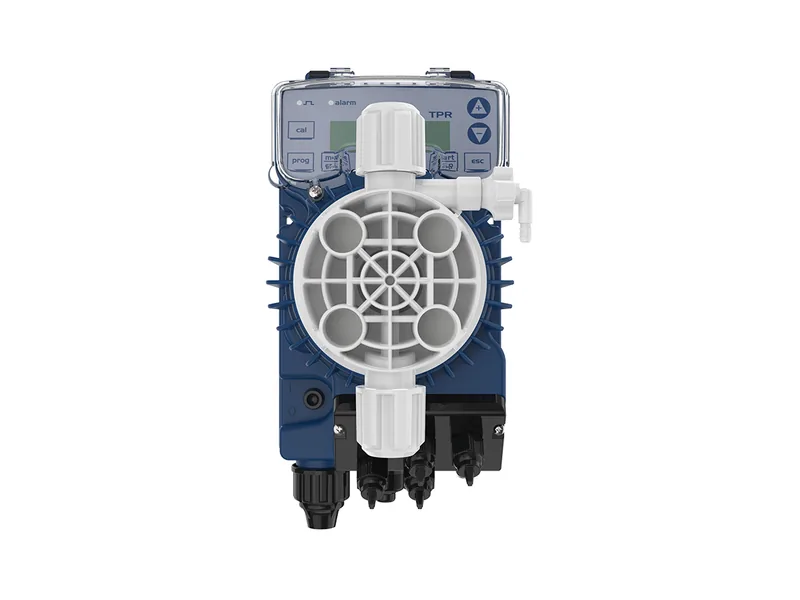
How a SEKO dosing pump works is simple at its core: a diaphragm moves back to draw liquid in and forward to push it out, delivering a fixed volume on every stroke. What changes across the range is the drive behind the diaphragm. Tekna solenoid pumps use an electromagnet. Kosmo and MS1 mechanical diaphragm pumps use a motor and a drive mechanism. Nexa hydraulic diaphragm pumps use a plunger that pushes oil, which then pushes the diaphragm. Once you know how a SEKO dosing pump works and which drive you have, setting flow and troubleshooting get much easier.
How a SEKO Dosing Pump Works: The Common Stroke Cycle
SEKO's catalog groups its metering pumps as reciprocating positive displacement pumps, in solenoid-driven and motor-driven families. Every liquid end holds three key parts: the diaphragm, a suction check valve and a discharge check valve.
Each stroke has two phases:
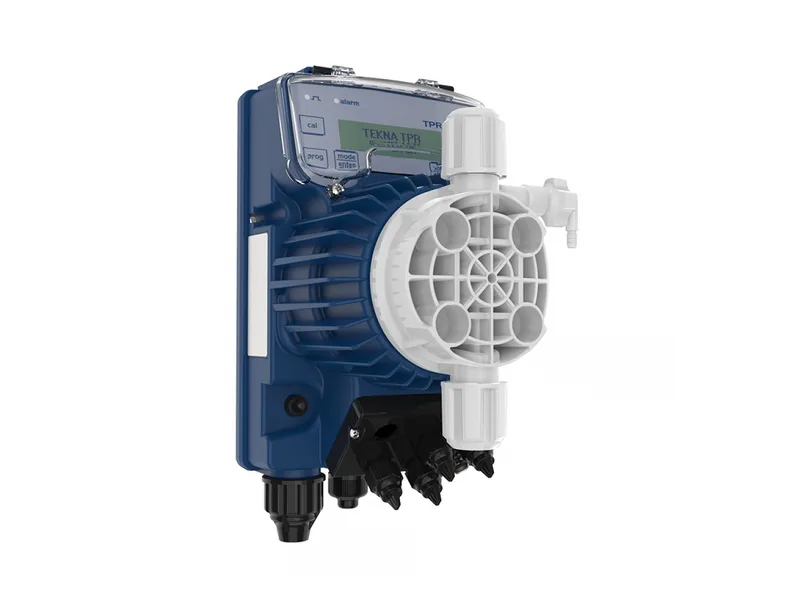
Figure 1: SEKO Tekna TPR solenoid pump side view. Image source: SEKO official website
- Suction: the diaphragm retracts, chamber volume grows and pressure drops. The suction valve opens, the discharge valve closes, and liquid comes in from the tank.
- Discharge: the diaphragm moves forward, pressure rises, the suction valve closes and the discharge valve opens, sending liquid into the line.
In short, how a SEKO dosing pump works sets the flow: roughly volume per stroke times stroke rate. That is why the catalog data lists both milliliters per stroke and maximum frequency.
How a SEKO Dosing Pump Works in the Tekna Solenoid Range
An electromagnet drives the diaphragm
A Tekna pump has no motor. The electronics energize a solenoid coil at the set frequency. The magnet pulls a shaft forward, the shaft pushes the diaphragm, and liquid is discharged. When the coil switches off, a spring returns the shaft and diaphragm, and the chamber refills. One on-off cycle equals one stroke.
According to the SEKO catalog, five Tekna models cover 0.4 to 54 l/h at up to 20 bar, with a PVDF pump head and ceramic valve balls as standard and a diaphragm in solid PTFE. On the SEKO website, the Tekna TPR is listed at 0.4 to 110 l/h with 120 to 300 strokes per minute, a PVDF head, PTFE diaphragm and a manual priming valve.
Adjusting flow on a solenoid pump
Solenoid pumps mainly adjust flow through stroke rate. The catalog model code separates single adjustment (stroke rate only) from double adjustment (stroke rate plus stroke length). At low flows, double adjustment helps keep the rate up and the output smoother.
Controller versions accept external signals. The TPR, for example, is described as supporting constant or proportional dosing, with a built-in pH/Redox meter, a PT100 input for temperature compensation and an on-off input for remote control.
Every stroke is a pulse. With long, narrow discharge lines or unstable back pressure, accuracy can drift, so a back-pressure valve is usually fitted. Poor priming leads to no output; see Tekna not dosing troubleshooting.
How a SEKO Dosing Pump Works With a Mechanical Diaphragm
Beyond a certain flow, a solenoid cannot provide enough force, and a motor takes over. The motor turns, a reduction and eccentric drive converts rotation into a reciprocating shaft motion, and the shaft drives the diaphragm.
The two mechanical diaphragm families in the catalog return the diaphragm differently:
- Kosmo MM2: mechanical return, with the mechanism driving both forward and return strokes. Listed at 80 to 2300 l/h, up to 10 bar, stroke lengths of 7, 8, 9 or 15 mm;
- MS1: spring return in an aluminum housing, 5.5 to 1200 l/h, up to 10 bar, stroke lengths of 2, 4 or 6 mm, and stroke rates of 58, 78, 116 or 232 per minute.
Mechanical pumps typically set flow by stroke length, by hand or with an electric actuator. For picking a model, see SEKO mechanical pump selection.
How a SEKO Dosing Pump Works in Hydraulic Nexa Models
At tens or hundreds of bar, a mechanically driven diaphragm is no longer practical. In the Nexa, the motor drives a plunger through a worm gear reducer. The plunger moves hydraulic oil, and the oil pushes the diaphragm evenly. Pressure is balanced on both sides of the diaphragm, so it flexes less and lasts longer.
The catalog states that Nexa is designed and built to API 675, with up to 9000 l/h per head and up to 200 bar. A mechanical automatic oil refill system keeps oil volume steady. Double diaphragm versions add rupture detection with an alarm, and the second diaphragm keeps the pump running until maintenance.
Reading Faults Through How a SEKO Dosing Pump Works
Knowing how a SEKO dosing pump works points you in the right direction on site.
The pump clicks but nothing comes out. The drive is working, so look at the liquid end. Air in the chamber means the diaphragm just compresses gas, or a check valve is fouled and liquid slips back. Prime first, then clean the valves.
Output slowly drops. Worn or crystallized valves leak back a little each stroke, someone may have changed the stroke length on a mechanical pump, or oil level fell in a hydraulic pump. Check those three.
The discharge line shakes. Reciprocating pumps pulse by nature, and long, small lines make it worse. A pulsation dampener helps; the Nexa accessories list includes a dampener, safety valve and back-pressure valve.
When a diaphragm is due, follow the SEKO diaphragm replacement steps and prime again afterward.
Using How a SEKO Dosing Pump Works to Match the Drive
- Small flow, low to medium pressure, signal control: typically a Tekna solenoid pump;
- Larger flow up to 10 bar: usually Kosmo or MS1 mechanical diaphragm pumps;
- High pressure, hazardous areas or API 675 specs: look at Nexa hydraulic diaphragm pumps.
Model details are in our SEKO solenoid pump models guide, and the general theory is in solenoid metering pump working principle.
Conclusion
How a SEKO dosing pump works always comes back to a reciprocating diaphragm between two check valves. The difference is the drive: Tekna uses a solenoid and adjusts mainly by stroke rate, Kosmo and MS1 use a motor and usually adjust by stroke length, and Nexa uses a plunger and oil for high pressure. Understanding how a SEKO dosing pump works makes selection, commissioning and fault-finding quicker. The full range is on our SEKO pumps page. Send us the chemical, flow and pressure, and we will help you choose the right SEKO pump.
FAQ
Why does a SEKO solenoid pump dose in pulses?
That is how a SEKO dosing pump works on a solenoid drive: each energizing pulse pushes the diaphragm once. Higher stroke rates make the output closer to continuous.
How long does a Tekna diaphragm last?
SEKO's catalog states a service life of more than five years for its PTFE diaphragm, though chemical, pressure and run hours still decide it.
Is a mechanical pump more accurate than a solenoid pump?
Both usually dose steadily in their own flow ranges. Correct sizing, stable back pressure and good priming matter more.
Does how a SEKO dosing pump works differ from other brands?
The basic principle is the same reciprocating displacement. Differences lie in construction, materials and controls.
Why does a hydraulic pump need oil refill?
Oil volume sets the diaphragm travel. If oil drops, output falls, so automatic refill holds accuracy.