
Dosing Skid Interlock List: Permissives, Alarms, Trips and Resets
A dosing skid interlock list is the document that records every rule of the form "this condition triggers that action, and this is how it resets." The control panel builder programs the PLC from it, the commissioning team tests against it and the end user accepts the package with it.
Miss one line and you can end up with an empty tank running a pump dry, a pump dead-heading against a closed valve, or chemical still flowing after the main water pump has stopped. On packaged systems such as LEWA chemical injection packages, where pumps, tanks and instruments share one baseframe, the number of interlocks is high and a clear list matters even more. This article explains how to build the list by equipment and by process. Interlocks for a single mixer are covered elsewhere.
What each line of a dosing skid interlock list should contain
A complete entry usually includes:
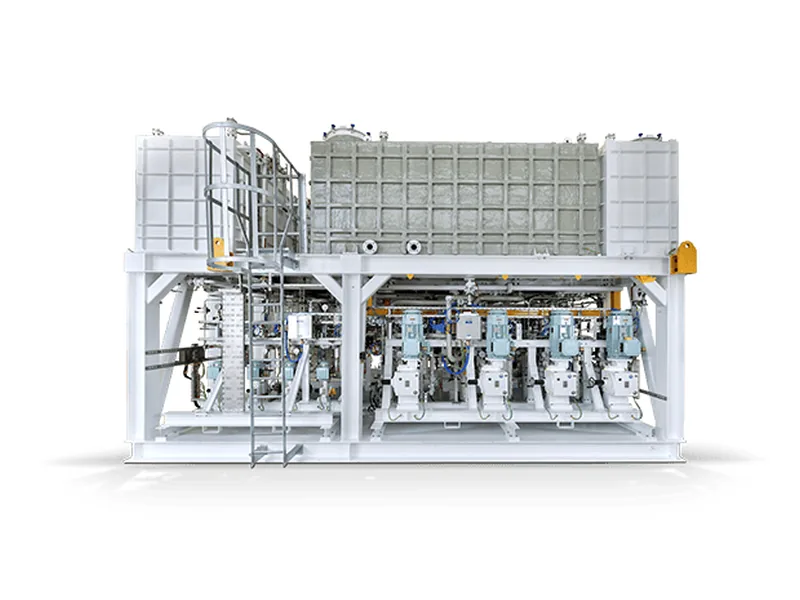
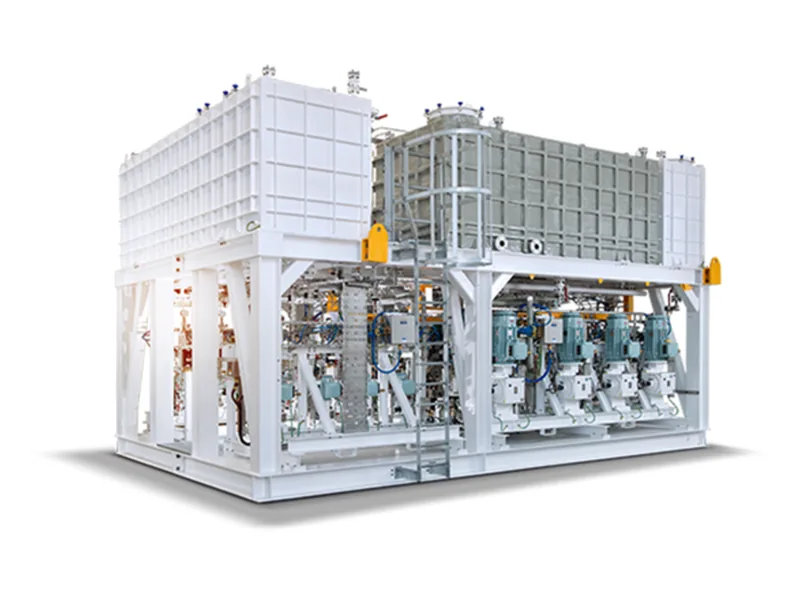
Figure 1: LEWA chemical injection package front view. Image source: LEWA official website
- A tag and description so it can be traced in the program, drawings and test records.
- The trigger: instrument tag, signal type and setpoint, for example tank level LT-101 below 15%.
- A time delay, typically 3–5 seconds, to stop surface ripples causing nuisance trips.
- The action: which pump stops, which valve closes, which standby unit starts.
- The alarm class: alarm only, alarm and stop, or full package trip.
- The reset mode: automatic once the condition clears, or manual acknowledgement.
- Whether a bypass is allowed and who may apply it.
Interlocks fall into three groups: permissives, alarms and trips. Marking each line in the dosing skid interlock list with its group makes programming far simpler.
Dosing skid interlock list by equipment: tanks
Chemical tanks cause the most trouble. Typical entries:
- Low level alarm to prompt a refill, usually around 20%.
- Low-low level stops the matching pump to prevent dry running and diaphragm damage. Manual reset.
- High level closes the fill valve or stops the unloading pump.
- High-high level as an independent alarm from a separate level switch, not from the same transmitter.
- Low level in the make-up tank stops the mixer so the impeller is not exposed.
For setpoint details, see our guide to low level alarm setup for dosing pumps.
Dosing skid interlock list by equipment: metering pumps
These entries protect the pump and downstream piping:
- High discharge pressure stops the pump. The pressure switch is generally set about 10% below the relief valve setting so the interlock acts first.
- Diaphragm rupture detection alarms and stops the pump on double-diaphragm heads.
- Motor overload or drive fault stops the pump with an alarm.
- Low or no flow raises an alarm from a flow meter or flow monitor, with a longer delay of about 10–30 seconds.
- Duty pump failure starts the standby pump and raises an alarm so the changeover is visible.
Piping and valves
These lines are often missing from a dosing skid interlock list. If a discharge isolation valve has position feedback, the pump should not start unless the valve is fully open, which is a classic permissive. A drip tray with a leak level switch should alarm, and for hazardous chemicals it can stop the pumps. Where dilution water is used, low dilution flow should stop the dosing pump so concentrated chemical does not enter the line.
Dosing skid interlock list by process signals
These lines connect the package to the wider plant, so the list should state who supplies each signal.
- Main water pump running is a permissive. If the main flow stops, dosing must stop too.
- Main line flow below minimum stops dosing, especially on flow-paced systems.
- Online pH, ORP or chlorine above the high limit stops the pump and alarms; a low limit usually only alarms.
- A maximum continuous dosing time stops the pump and alarms, in case an analyzer fails.
Safety and utilities
Every dosing skid interlock list needs a safety section. An emergency stop shuts down the whole package and needs a manual reset. In rooms handling chlorine or chlorine dioxide, a gas detector alarm should stop dosing and start extraction. After a power failure, pumps should not restart on their own. Instrument wiring faults should alarm, and digital inputs are best designed fail-safe with normally closed contacts.
Setting actions and resets
The rule for actions is simple: if a condition can damage equipment or hurt someone, stop the pump, do not just alarm. Process-only conditions can reset automatically, for example dosing resumes when main flow returns. Equipment and safety trips such as low-low level, high pressure and emergency stop need a manual reset.
Bypasses need access control, a clear indication on the HMI and a log of time and user. Any interlock bypassed during commissioning must be restored before handover.
Putting the dosing skid interlock list to work
Walk through the P&ID one item at a time, then add the process signals, and agree external interfaces with the client and designer. During factory acceptance testing, simulate each line of the dosing skid interlock list and record the action and reset. Repeat on site with real chemical. For the wider control logic, see how a fully automatic dosing system works and dosing system control parameter setup.
Conclusion
Build a dosing skid interlock list along two lines, equipment and process: tanks, pumps, piping and valves, plant signals, and safety and utilities. For each line, record trigger, delay, action, alarm class and reset. Trips that protect people or equipment stop the pump and need manual reset; process conditions can reset automatically. Test every line at the factory and again on site.
Browse our dosing skid packages and level switches, or contact our engineers for help reviewing your list.
FAQ
Who writes the dosing skid interlock list?
Usually the equipment supplier drafts it from the P&ID. The designer and end user review external signals, and the panel builder programs from the final version.
What is the difference between low and low-low level?
Low level only alarms to prompt a refill. Low-low level stops the pump to prevent dry running. The two setpoints are typically 5% to 10% apart.
Can a bypass on the dosing skid interlock list stay on long term?
It is not recommended. Bypasses are for maintenance or commissioning only, with access control and a log, and should be removed promptly.
Do I need both a pressure switch and a relief valve?
Yes, in most cases. The pressure switch stops the pump and alarms, while the relief valve is mechanical protection if the switch fails.
Should metering pumps restart automatically after a power cut?
Generally no. An operator should check tanks, valves and process status first and then restart manually.