
Pressure Switch for Metering Pump Protection: High and Low Cutoff
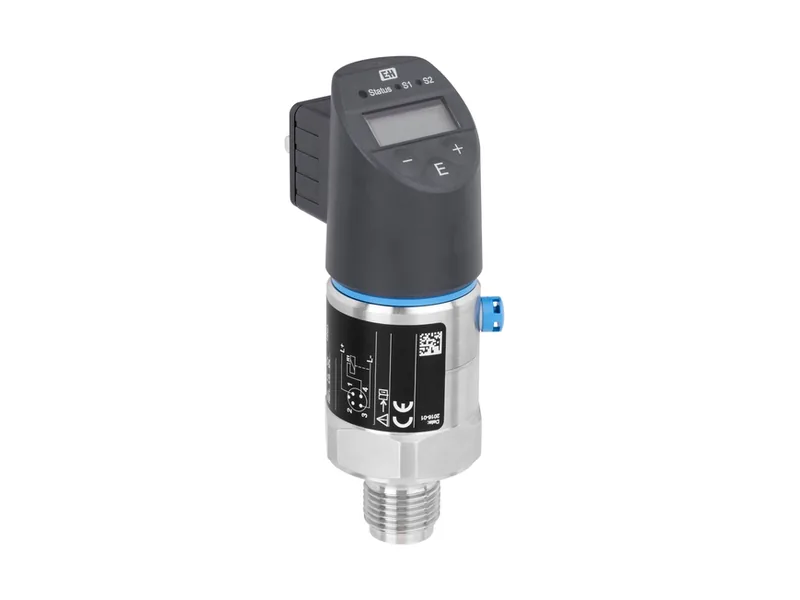
A pressure switch for metering pump service does two jobs: it stops the pump when discharge pressure climbs past a set point, and it raises an alarm when pressure drops lower than it should. It is the cheapest hard interlock you can add to a positive displacement dosing pump, but it does not relieve pressure. That is the relief valve's job. This guide is for engineers specifying chemical feed skids and for the maintenance crews who commission them, and it applies to mechanical diaphragm, hydraulic diaphragm and plunger metering pumps.
Why a dosing pump needs overpressure protection at all
A metering pump pushes a fixed volume every stroke. Close a discharge valve by mistake or let an injection quill scale up, and pressure rises until the diaphragm, a fitting or the drive gives way. Dosing pump overpressure protection is normally built in two layers. The pressure switch for metering pump discharge trips first and stops the drive. If the switch fails or the pump will not stop, the relief valve opens and sends chemical back to the tank or suction side. For relief valve set points, see pressure relief valve setting for dosing pumps.
Switch, relief valve or transmitter?
A switch gives an on/off signal and nothing more. It cannot vent pressure. A relief valve vents pressure but tells the PLC nothing. If you want a pressure trend, several alarm levels or remote logging, use a transmitter instead, as covered in pressure transmitters for dosing pumps. If all you need is "too high, stop the pump", a pressure switch for metering pump discharge is simpler and cheaper to maintain.
Choosing a pressure switch for metering pump service: mechanical or electronic
A mechanical pressure switch for metering pump duty uses a spring and a diaphragm or bellows to flip a microswitch. It needs no power and is easy to understand, but the deadband is usually wide and often fixed. On a pulsating discharge it can chatter, and setting it means turning a screw and retesting. It suits retrofits and simple single-pump systems.
Electronic switches use a pressure sensor and switching electronics. Set point and reset point are adjusted on the device, and most have a display that shows live pressure. The Endress+Hauser Ceraphant PTC31B is one example: an oil-free ceramic sensor with PNP switch outputs, and a version with one switch output plus a 4–20 mA signal. That suits a chemical room that wants a local reading and a PLC trip. Other options are listed under pressure instruments.
A sensible selection order: check that the wetted parts suit the chemical, confirm the range covers the trip point with room to spare, then match the output to your PLC or pump stop input.
Where to mount a pressure switch for metering pump high pressure cutoff
Mount the pressure switch for metering pump protection between the pump discharge and the first isolation valve. Put it downstream of that valve and it is blind the moment someone closes the valve, which is exactly the case you are protecting against.
Arrange the set points of the pressure switch for metering pump trips in this order: normal maximum operating pressure < switch trip point < relief valve set pressure ≤ pump rated pressure. A trip point too close to operating pressure causes nuisance trips. One too close to the relief valve means the valve lifts first and the interlock never does anything useful. Set the margin from the pressure swing you measure at commissioning, not from a percentage copied from another job.
Make the high pressure trip latching, so someone has to reset it. A common failure pattern is an auto-resetting switch: pressure drops, the pump restarts, dead-heads again, and after enough cycles the diaphragm is the first part to fail.
Low pressure alarm: lost flow and diaphragm failure
The low side of a high and low pressure cutoff switch arrangement is often skipped, yet it catches real faults:
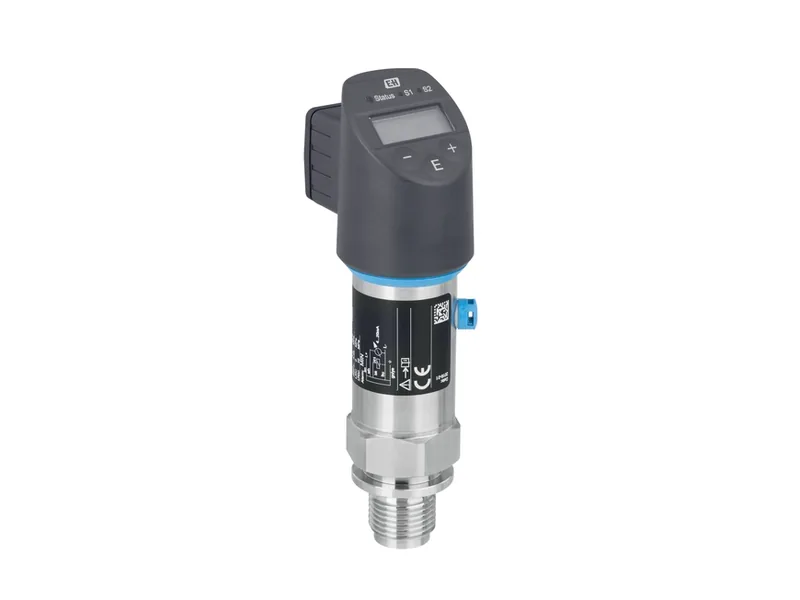
Figure 1: Endress+Hauser Ceraphant PTP31B electronic pressure switch. Image source: Endress+Hauser official website
- The day tank has run dry or the suction line is drawing air.
- A discharge line or fitting has come apart and chemical is leaking.
- A stuck check valve lets the dosed liquid slip back.
Give the low pressure alarm a start-up bypass timer. Pressure takes a little while to build after start, and without a delay the alarm fires every time the pump starts. Set the timer from the measured build-up time on site.
Double diaphragm pump heads use a pressure switch for metering pump leak detection in a different way. The switch sits in the space between the two diaphragms. If either diaphragm ruptures, that space pressurizes and the switch signals a diaphragm failure. That is leak detection rather than process protection, and the warning signs are discussed in hydraulic diaphragm rupture signs.
Deadband: why a pressure switch for metering pump trips keeps cycling
Deadband is the gap between the trip point and the reset point. Too narrow, and pressure hovering around the set point makes the contact flicker, filling the alarm log. Too wide, and the switch takes ages to reset after the fault clears. Watch the gauge during normal running and set the deadband clearly wider than the pressure swing you see.
Pulsation, snubbers and diaphragm seals
Metering pump discharge pressure arrives in pulses, and a pressure switch for metering pump lines mounted directly on the pipe reacts to the peaks. Three fixes are common:
- Fit a snubber or damping screw ahead of the switch to clip the spikes.
- On electronic switches, set a damping time or switching delay so short peaks do not trip.
- Make sure the line's pulsation dampener is installed and precharged, as explained in metering pump pulsation dampener principle.
For corrosive, crystallizing or slurry chemicals such as sodium hypochlorite, strong acids or lime slurry, isolate the pressure switch for metering pump service with a diaphragm seal so the port does not plug or corrode. Choose the wetted materials for the chemical.
Wiring the interlock
Wire every pressure switch for metering pump trips fail-safe, so a broken wire looks like a fault, not a healthy signal. Bring the contact straight into the pump's external stop input or a hardwired PLC interlock, not just an HMI message. Before removing a switch, stop the pump, close the isolation valve and bleed the discharge line to zero. Isolate power before wiring, and wear goggles and gloves around acids and caustics.
Conclusion
A pressure switch for metering pump protection belongs between the pump discharge and the isolation valve. It trips and latches on high pressure and alarms on low pressure, while the relief valve handles venting and a transmitter handles continuous monitoring. Pick the switch by chemical and range first, then by mechanical or electronic design. Set it as operating pressure < trip < relief valve ≤ pump rating, keep the deadband wider than the pulsation, and add a snubber or diaphragm seal where needed. Send us your pump type, operating pressure, chemical and control scheme, and contact our engineers to size the switch and interlock.
FAQ
Do I still need a pressure switch for metering pump discharge if there is a relief valve?
Yes. A relief valve only vents; the pump keeps running and recirculating. The switch stops the pump and tells the operator.
Can a pressure switch replace a pressure transmitter?
For a simple stop interlock, yes. For trending or remote logging, use a transmitter or an electronic switch with a 4–20 mA output.
Why does my high pressure cutoff switch keep tripping?
Usually pulsation peaks. Check whether the trip point sits too close to operating pressure, then add damping or a switching delay.
Do solenoid dosing pumps need one?
Many solenoid pumps have built-in overpressure detection, so a separate switch is often not needed. Add one on long discharge lines or where the injection point tends to plug.
How often should the switch be tested?
Tie it to scheduled maintenance. Apply pressure from a reference source, record the trip and reset points, and adjust or replace the switch if it has drifted.